Interpreting Art: Why Do We See What We See?

Interpreting Art: Why Do We See What We See?

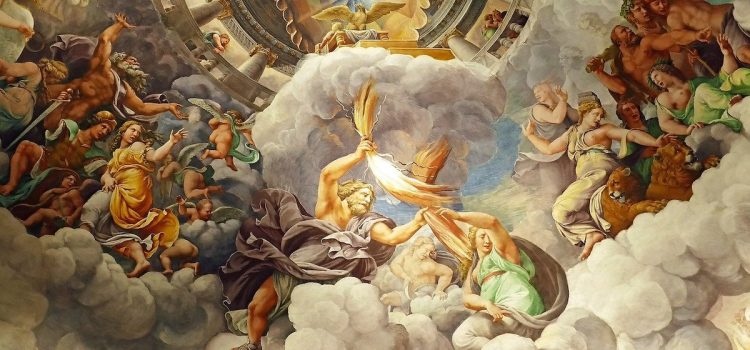
What factors are at play when we’re interpreting art? Why do different people see art in different ways? Images are inherently subjective—our experiences and beliefs influence what we see. When we look at visual art, we often place ourselves within images, which influences how we interpret their meaning. Keep reading to learn more about the factors that influence the way we interpret art.

Overview of the Zappos Book—Delivering Happiness

Overview of the Zappos Book—Delivering Happiness

Have you read Tony Hsieh’s book Delivering Happiness? What are the most important takeaways from the book on Zappos’s culture? As the former CEO of Zappos, Hsieh wrote Delivering Happiness to reveal the secrets behind Zappos’s healthy work culture, and how he implements happiness into his company’s mission statement. In his book, Zappos is said to be built on employees’ and customers’ happiness. Learn more about the most important principles taught in Tony Hsieh’s Zappos book.

Blink Quotes by Malcolm Gladwell (With Analysis)

Blink Quotes by Malcolm Gladwell (With Analysis)

Are you looking for Blink quotes by Malcolm Gladwell? What are some of the most noteworthy passages worth revisiting? We usually think of snap judgments as lazy, superficial, and probably wrong. But are they really? In Blink, Malcolm Gladwell argues that snap judgments can be just as good as—or even better than—the decisions that we make when we analyze a situation carefully. Below is a selection of quotes from Blink: The Power of Thinking Without Thinking by Malcolm Gladwell.

The Power of Snap Decisions: Decide, Don’t Think

The Power of Snap Decisions: Decide, Don’t Think

How do we make snap decisions? In what circumstance is it a good idea to make a snap decision, trusting your gut? Snap decisions are made on the fly—unconsciously, without rational deliberation. But that’s not necessarily a bad thing. According to Malcolm Gladwell, the author of Blink, in some circumstances, it’s better to decide on the fly than to deliberate on how to proceed. Keep reading to learn about the power of snap decision-making, why some snap decisions are better than others, and how to make better snap decisions.

Can You Hate Your Job and Still Be Happy?

Can You Hate Your Job and Still Be Happy?

Can you hate your job and still be happy? Why do so many people continue working unfulfilling, soul-sucking jobs, not even trying to escape? Considering you spend a third of your life working, that might be a tall order. Working an unfulfilling job day in and day out is soul-sucking, yet many people won’t even try to escape because they conceive of their work as something they have to endure. Here’s how this line of thinking—that work is something you have to endure—erodes your happiness.

Your Mind Is a Battlefield—Here’s How to Win the War

Your Mind Is a Battlefield—Here’s How to Win the War

In your mind, do positive thoughts or negative thoughts usually win? How can you give positivity the advantage? Positive thoughts are the key to a happy life because they lead to positive words and actions. When you think positively, you treat yourself and other people better, enjoy healthier relationships, make better choices, and are resilient in the face of adversity. Joyce Meyer asserts that positivity is difficult because the devil attacks your mind with negativity. But there’s something you can do about. Keep reading to learn how your mind is a battlefield—and how to win the war.

Doubts About God on the Battlefield of the Mind

Doubts About God on the Battlefield of the Mind

Where does spiritual doubt come from, and where can it lead? What’s the difference between doubt and unbelief? When Jesus called Peter to walk on water, Peter did it—for a moment. According to Joyce Meyer, doubt caused Peter to sink. In Battlefield of the Mind, Meyer discusses what doubt is, how it differs from unbelief, and how we can fight both doubt and unbelief. Read more for a concise discussion of doubts about God.

How to Improve Company Culture: 4 Tips for Managers

How to Improve Company Culture: 4 Tips for Managers

Do you get a bad vibe from your company? Are you looking for tips on how to improve your company’s culture? Knowing how to improve company culture can greatly benefit your employees’ work experience. According to former CEO of Zappos Tony Hsieh, there are four ways to make your company’s environment positive and healthy: listening to your employees, creating a list of cultural principles, hiring employees who will uphold the culture, and protecting your company from bad investors or board members. Find out how to improve company culture with these four steps.

Narrative Fallacy: Rationalizing the Irrational

Narrative Fallacy: Rationalizing the Irrational

What is a narrative fallacy? Why do we have such a strong urge to rationalize our decisions and behavior through narrative? A narrative fallacy is the tendency to explain random or irrational decisions, events, and behavior with coherent stories. The narrative fallacy is a form of rationalizing: We tend to feel that there’s a rational reason for everything we do. When we don’t know why we’ve made a certain decision, we make up a coherent narrative about how we arrived at it. Learn about the narrative fallacy, why it occurs, and how to counteract it.

What Is the Difference Between Nude and Naked in Art?

What Is the Difference Between Nude and Naked in Art?

What is the difference between nude and naked when it comes to art? What deeper meanings do nudity and nakedness symbolize? Not all naked paintings are nudes. According to art critic John Berger, to be naked is to be yourself and to be seen by others for who you are—it’s vulnerability and honesty. To be nude, on the other hand, is to hide oneself and be seen by others as an object—usually for sexual fantasy. Keep reading to learn about three key distinctions between nude and naked.