For Unconditional Happiness, Roll With the Bad

For Unconditional Happiness, Roll With the Bad
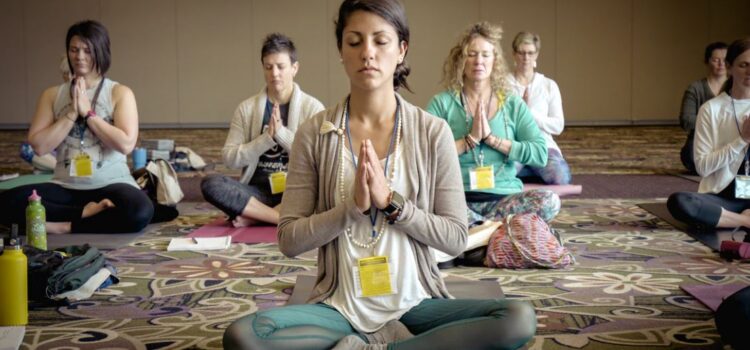
Is it possible to attain unconditional happiness? Do you think you can remain happy in spite of any challenges and misfortunes that life throws your way? According to Michael A. Singer, a spiritual teacher and the founder of the Temple of the Universe meditation center, your happiness shouldn’t be tied to external conditions that you don’t have control over. You can choose to stay happy no matter what. As paradoxical as it may sound, the key to attaining unconditional happiness is to drop resistance to the things that make you unhappy. Here is how you can achieve unconditional happiness, according

Mindful Relationships and Radical Acceptance

Mindful Relationships and Radical Acceptance

How can Radical Acceptance help us to improve our mindful relationships with other people? Why is community so important in Buddhism? Although we hear many stories of people who isolate themselves to go on spiritual journeys, humans are social creatures, and our spiritual journey can’t happen in isolation. The Buddha called sangha—community—a treasure of the spiritual path. That’s because communities have strength that individuals lack.  Keep reading to learn why mindful relationships and community are important for Radical Acceptance.

How to Control Desires In Buddhism: Accept Them

How to Control Desires In Buddhism: Accept Them

Is it sinful and wrong to have desires? How can we shut our desires out? What do our desires tell us about our true feelings? Many mainstream religions, from Judaism and Christianity to Buddhism and Confucianism, teach that desire causes suffering. This does not mean that we should try to shut out and ignore our desires. In fact, we should welcome and accept our desires, examine them, and let them pass. Keep reading to learn the principles for how to control your desires in Buddhism.

The Bible in Literature: A Way to Deepen Messages

The Bible in Literature: A Way to Deepen Messages

What does it mean when authors reference the Bible in literature? What biblical symbols should you be on the lookout for? Authors commonly reference the Bible to deepen the meaning of their work. Many authors also use the Bible to highlight the differences between religious tradition and modern life. Keep reading to learn why the Bible is so commonly referenced in literature and what those references may mean.

The 10 Rules of Ikigai Are the Key to Happiness

The 10 Rules of Ikigai Are the Key to Happiness

What are the 10 rules of ikigai? How can applying these rules help you live a happier and more fulfilling life? In their book Ikigai: The Japanese Secret to a Long and Happy Life, Francesc Miralles and Hector Garcia outline 10 rules or commandments of ikigai. Use these rules as a map for fulfilling your life purpose in loving community with other people and the world around you. Keep reading for the 10 rules of ikigai, according to Francesc Miralles and Hector Garcia.

The Top 5 Radical Acceptance Quotes by Dr. Tara Brach

The Top 5 Radical Acceptance Quotes by Dr. Tara Brach

What are the top five Radical Acceptance quotes from Tara Brach? How can these quotes help you understand Radical Acceptance better? Radical Acceptance is a meditative practice wherein we acknowledge what we’re experiencing—positive or negative—and welcome it. Dr. Tara Brach explores these ideas through the lens of a Buddhist in her book Radical Acceptance. Continue on for Radical Acceptance quotes.

Radical Acceptance: Tara Brach and Buddhism

Radical Acceptance: Tara Brach and Buddhism

What is Radical Acceptance about? How does Tara Brach combine the psychological aspects of Radical Acceptance with Buddhist teachings? Radical Acceptance is the practice of acknowledging your experiences so you can be more present in the moment. Dr. Tara Brach is a psychologist and a devout Buddhist and she explains how we can learn to accept each moment as it comes—without judging our experiences or ourselves. Continue on to learn more about Radical Acceptance by Tara Brach.

The Three Refuges: Buddha, Dharma, and Sangha

The Three Refuges: Buddha, Dharma, and Sangha

What are the Three Refuges in Buddhism? How can Buddha, Dharma, and Sangha help you overcome your fears? Sometimes fear is so intense that it seems impossible to face. Ideally, we want to find the feeling of safety and belonging inside ourselves and one way to do that is by retreating to the Three Refuges: Buddha, Dharma, and Sangha. Continue reading to learn more about Buddha, Dharma, and Sangha.