The Culture of Poverty Theory is Based in Racism

The Culture of Poverty Theory is Based in Racism

What is the culture of poverty theory? How does it differ from the cycle of poverty? In How to Be an Antiracist, Ibram X. Kendi emphasizes the importance of understanding racist policies and their impacts. The culture of poverty theory explains Black poverty through cultural racism, while the cycle of poverty is about the racist policies that keep poverty in place. Read more about the culture of poverty theory versus the cycle of poverty.

The 10X Method: Don’t Compete, Dominate

The 10X Method: Don’t Compete, Dominate

What is the 10X method? Why does the 10X method think you shouldn’t try to compete, and should dominate instead? In The 10X Rule, Grant Cardone says competition is a limiting concept. For extraordinary success, you shouldn’t worry about competing with others and focus instead on domination. Read more about the 10X method and how domination and competition are different.

Racism in School Funding Is a Type of Spatial Racism

The Importance of Continuous Learning to Life Success

Is there racism in school funding? What are the effects of racism in school funding and is there anything that can be done? Racism in school funding is the result of the preferential treatment for areas used predominantly by White people. Starting with segregated school districts and continuing to the difference between historically black and historically white colleges today, these inequities continue to be seen. Keep reading to understand the issue of racism in school funding.

Ghetto Neighborhoods: Another Racist Stereotype

Ghetto Neighborhoods: Another Racist Stereotype

What are “ghetto” neighborhoods? How does space racism contribute to this offensive stereotype about predominantly Black communities? Ghetto neighborhoods is a racist term used to describe Black neighborhoods. The reality is that predominantly Black areas were formed as a result of racism and space racism keeps these communities from receiving adequate resources for public services. Keep reading to understand the relationship between space racism and the “ghetto” neighborhoods stereotype.

The Middle Class Trap: Don’t Settle for Average

The Middle Class Trap: Don’t Settle for Average

What is the middle class trap? How does it relate to an average mindset, and why is that problematic? The middle class trap is the idea that pursuing the dream of being “middle class” actually means you’d be trapped in a struggle when you should aim higher. In terms of The 10X Rule, it is like an average mindset in which you don’t aim for better and end up stuck at mediocre. Keep reading to better understand the middle class trap and how it exemplifies the problematic, average mindset.

Resource Dependence Theory and Stopping Innovation

How to be Rich and Successful: 3 Steps to Follow

What is resource dependence theory? How does it apply to innovation in The Innovator’s Dilemma? Resource dependence theory is a concept that explains how customer and investor resources drive innovation. If their needs are not being met, innovation will fail because it won’t have the resources it needs. Read more about resource dependence theory and how it applies to innovation.

Fourth Industrial Revolution: Cars, Oil, & Appliances

Fourth Industrial Revolution: Cars, Oil, & Appliances

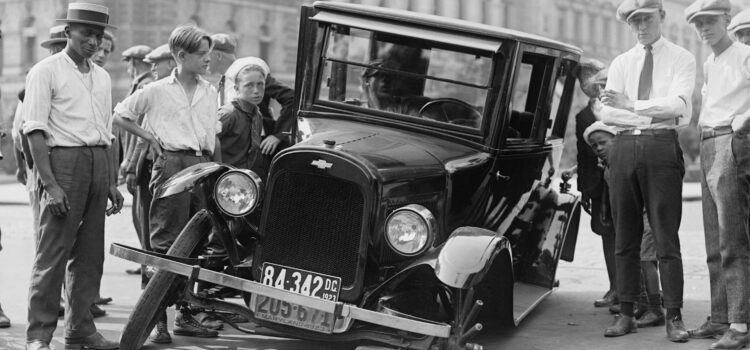
What was the fourth industrial revolution? What technologies were created that made this industrial revolution possible? The fourth industrial revolution was the oil, automobile, and mass production revolution. These new technologies were responsible for the fourth industrial revolution and the economic development that followed. Read more about the fourth industrial revolution and the technologies that made it possible.

First Industrial Revolution: Machinery and Iron, 1771

First Industrial Revolution: Machinery and Iron, 1771

What was the first industrial revolution? What happened during the first industrial revolution and what technologies created change? The first industrial revolution is considered to be when the first machinery was invented that allowed work to be mechanized. It is also when there was the introduction of the iron industry. Read more about the technologies and events that lead to the first industrial revolution.