Complex Problems: How to Solve Them, the Simple Way

Complex Problems: How to Solve Them, the Simple Way

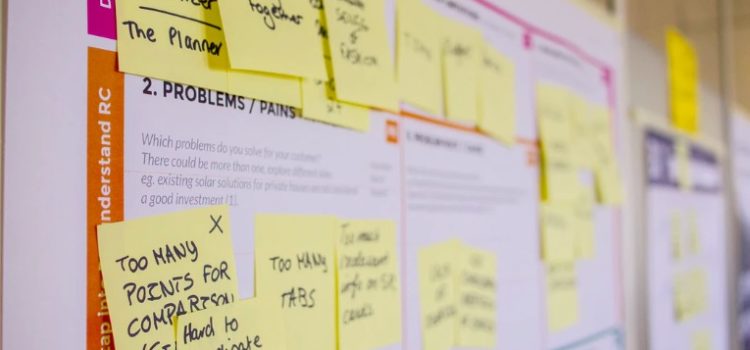
Brenda Zimmerman and Sholom Glouberman, who study complexity, defined three kinds of problems: simple, complicated, and complex. What’s the difference? Particularly, what’s the difference between complicated problems and complex problems? A complex problem is a problem that has many variables and for which the outcome is uncertain. An example of a complex problem is raising a child. You learn from raising one child, but the next child may require a different approach. We’ll look at the nature of complex problems, how they differ from complicated problems, and how to solve complex problems in the workplace.

Submittal Schedule: What It Is and Why You Might Need One

Submittal Schedule: What It Is and Why You Might Need One

What is a submittal schedule? Why is it crucial that engineers and contractors use them? What can the rest of us learn from the submittal schedule about how to work efficiently? A submittal schedule is a type of checklist that specifies when people need to communicate, about what, and with whom. The submittal schedule typically dictates that various experts speak to each other on specific dates regarding progress in specific areas, as well as who needed to share, or submit, information before the next steps can proceed. We’ll look at how the need for submittal schedules in contracting arose and

Warring States Period in China: 6 Tactics of Warfare (Sun Tzu)

Warring States Period in China: 6 Tactics of Warfare (Sun Tzu)

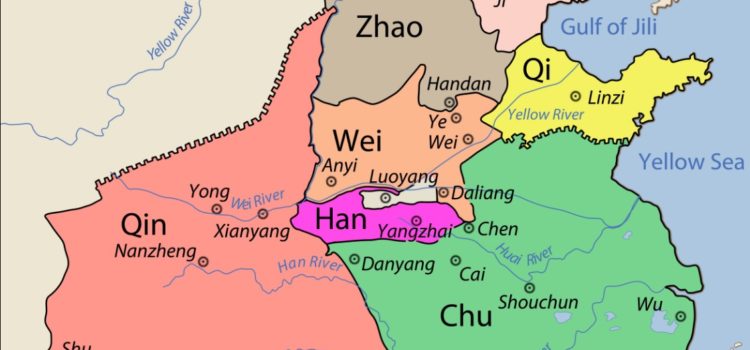
What was the Warring States Period? What can it teach us about battle tactics? The Warring States Period, or Era of Warring States, was a period between around 480 B.C.E. to around 246 B.C.E. During this era, various Chinese dynasties were at war, including the Wei, Zhou, Han, and Qi. The Qi eventually won control of the area. We’ll cover how the warring states formed alliances during this period and what we can learn from their turmoil.

Cover & Move (From Jocko’s Extreme Ownership)

Cover & Move (From Jocko’s Extreme Ownership)

Chapter 5 explores the Cover and Move strategy. On a battlefield, Cover and Move allows a team to work together to reach a destination: One group provides cover — keeping an eye out and having weapons ready to ward off enemies — as the other group advances forward. Then they switch roles, essentially leapfrogging forward, until they reach their destination. This may not appear to have much relevance outside a war zone, but the principle of Cover and Move is teamwork. The entire team must work together, supporting and protecting each other, for everyone’s safety and success. Everyone on the