Choosing a School? Beware the Big-Fish-Little-Pond Effect
Choosing a School? Beware the Big-Fish-Little-Pond Effect
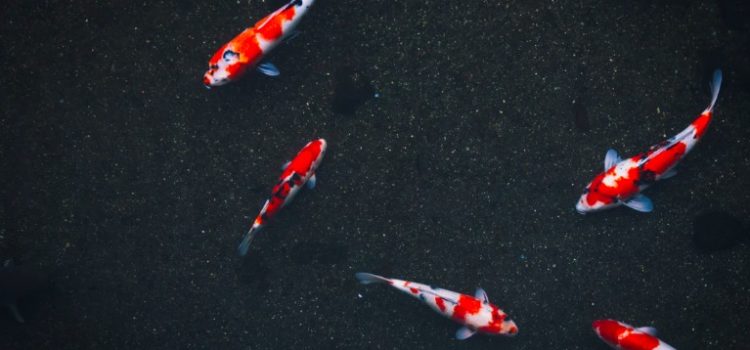
What is the Big-Fish-Little-Pond Effect? And how does it affect me? The Big-Fish-Little-Pond Effect is the theory that we compare ourselves to the students around us. When you’re a high-achieving student in a low-achieving school (a big fish in a little pond), you’re likely to have more confidence in your intelligence and academic ability than a student with the same IQ in a high-achieving school (a big pond). Learn why it’s so important to understand the Big-Fish-Little-Pond Effect, especially if you’re a student (or the parent of one!).

The Troubles: How a Small Protest Became 30 Years of Violence

The Troubles: How a Small Protest Became 30 Years of Violence

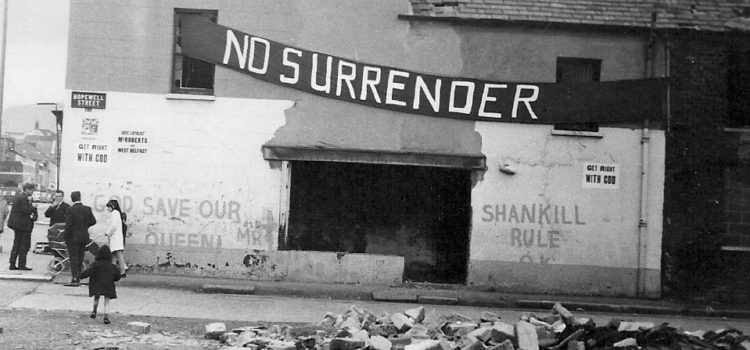
What were the Troubles? What caused the situation to escalate so quickly? What actions and attitudes could have changed its course? The Troubles was a time of violence in Northern Ireland rooted in ethnic, political, and religious conflict. During the Troubles, the Catholics were the Davids (underdogs) and the British Army was the Goliath (the powerful giant). We’ll discuss two aspects of Goliath’s power that actually make him less powerful: the limits of authority and the negative effects of the overuse of power.

Relative Deprivation Theory: Why You Shouldn’t Go to Harvard

Relative Deprivation Theory: Why You Shouldn’t Go to Harvard

What is the relative deprivation theory? How does it affect the choices I make, in school, at work, and in life in general? The relative deprivation theory is a theory that says we compare ourselves to the people around us. Our feelings of happiness or deprivation, success or failure, are not absolute, but rather relative to how happy and successful our neighbors are. Learn why it’s critical to understand the relative deprivation theory when making decisions and assessing your successes and failures.

Project C: Essential Lessons From the Birmingham Campaign

Project C: Essential Lessons From the Birmingham Campaign

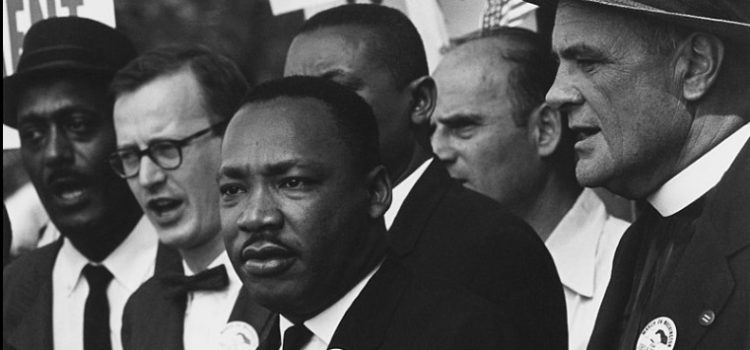
What is Project C? Why was it so important to the American Civil Rights Movement and America’s history? And what can we learn from it? Project C (“C” for confrontation) was a series of Birmingham sit-ins, marches, and boycotts organized by civil rights leader Wyatt Walker. Learn how Project C made the fight for equality in America so visible and urgent that the government could no longer ignore it.

Why Don’t More Teams Use the Full-Court Press?

Why Don’t More Teams Use the Full-Court Press?

A highly effective tactical move in basketball, the full-court press is rarely used. What are the advantages of the full-court press? And why don’t teams use it more often? The full-court press is a basketball tactic, involving the entire court, in which players aggressively surround those from the other team to keep them from getting the ball across midcourt. We’ll look at an example that demonstrates the power of the full-court press in action, while also revealing why it’s so underutilized.

You’re Missing the Point of the David and Goliath Story: Here’s Why

You’re Missing the Point of the David and Goliath Story: Here’s Why

For thousands of years, the Biblical David and Goliath story has given hope to underdogs inspired by David’s miraculous victory against the giant Goliath, with only a rock, sling, and stick at his disposal. The odds were against David…or were they?  In David and Goliath, Malcolm Gladwell argues that we misunderstand the David and Goliath story particularly and underdog victories in general. Keep reading to learn why you’ve been getting the moral of this story wrong, and what the real takeaways are.

3 Common Desirable Difficulties That Make You Better

3 Common Desirable Difficulties That Make You Better

What are desirable difficulties? Are all difficulties desirable? Desirable difficulties are so-called disadvantages that can actually be strong advantages. They build resilience and make you seek surprising strengths despite having the difficulties. We’ll cover three desirable difficulties — disability, tragedy, and having nothing — and look at why these difficulties may make you stronger than you would have been without them.