Nassim Taleb: Religion as a Means to Survival
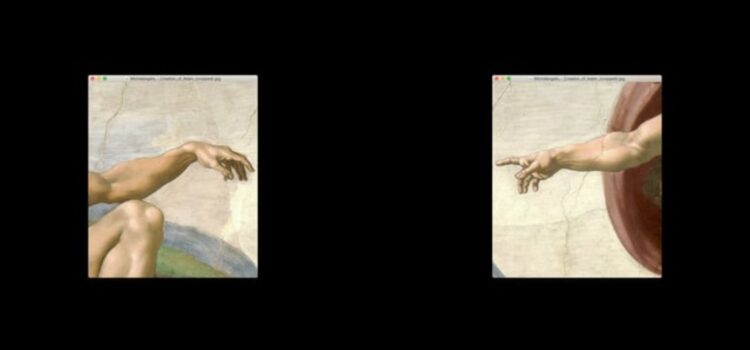
Nassim Taleb: Religion as a Means to Survival

Is religion rational? Does religion benefit or hinder human societies? According to Nassim Taleb, religion is rational in the sense that it contributes to our survival. With this in mind, he argues that everyone is religious to some extent because it is human nature to yearn for the survival of our species. In this article, we’ll explore Taleb’s take on religion as a tool for the end goal of humanity—survival.

The Slight Edge: Long-Term Success Philosophy

The Slight Edge: Long-Term Success Philosophy

Are you frustrated with the results of your goals? Do you want to know what the secret is to achieving long-term success? You might be surprised to learn that the secret is, in fact, quite simple. In The Slight Edge, Jeff Olson teaches that success is built over time by committing to simple, small, daily disciplines.  In this article, we’ll explore Jeff Olson’s success philosophy and how you can incorporate it into your own life.

The Purpose of Religion Is to Mitigate Our Selfishness

The Purpose of Religion Is to Mitigate Our Selfishness

What is the purpose of religion? How does religion differ from secular belief? According to Nassim Taleb, the author of Skin in the Game, the ultimate purpose of religion is to offset the risks of societal ruin caused by humans’ self-serving instincts. When conceptualized in this way, religion is not too different from secular beliefs. In this article, we’ll explore Taleb’s argument that the purpose of religion is to mitigate human selfishness.

Strategy Versus Tactics in Decision-Making

Strategy Versus Tactics in Decision-Making

What is the difference between strategy versus tactics in the context of decision-making? Which approach is more effective? David Epstein, the author of Range, insists that strategy is more important than tactics. In the past, tactical decision-making was the norm, but in the modern-day, abstract and strategic thinking are replacing the tactical approach. Here’s why strategy matters more than tactics.

The Art of Self-Forgiveness—Free Yourself From Guilt

The Art of Self-Forgiveness—Free Yourself From Guilt

Do you beat yourself up for every mistake you make? Do you hang on to shame and guilt for years? Did you know that not forgiving yourself for your mistakes and shortcomings might actually be harming you? Self-forgiveness is not an easy process because it requires you to accept that you’ve done something against your values, that you’re not comfortable with, or that you’re not proud of. The process of self-forgiveness may take years or even a lifetime because it involves such negative and uncomfortable emotions, however, it’s better to work on it than to stew in guilt, shame, and

The Crooked Timber: Embracing Our Sinful Nature

The Crooked Timber: Embracing Our Sinful Nature

Why does David Brooks agree with Immanuel Kant’s sentiment that humans are “crooked timber”? What does Brooks mean when he says we should embrace the idea that humans are sinful by nature? In his book The Road to Character, author David Brooks asserts that humans are sinful by nature. Brooks discusses Immanuel Kant’s “crooked timber” morality and the fact that humans are meant to confront their sins in order to grow and build character. Keep reading for David Brooks’s take on Kant’s concept of crooked timber and sin.

How to Find Meaning in Life: Speculation or Revelation?

How to Find Meaning in Life: Speculation or Revelation?

How can you find meaning in life? Where should you look? At some point, you’ve likely asked yourself the same questions that people have been asking themselves for centuries: “Why am I here?” “What’s the meaning of life?” “What’s my purpose?” In your quest to find meaning in life, you have a couple of options. You can guess, or you can look at scripture to see what the Creator has to say about life’s purpose. Read more to learn about these two routes you can take as you search to find meaning in life.

The Law of Gratitude: The Secret to Manifesting Wealth

How to Use the Law of Gratitude to Attract Wealth

What is the law of gratitude? Why is gratitude so important to attracting wealth? The law of gratitude follows Newton’s third law—for every action, there is an equal and opposite reaction. This means, if you reach out strongly and gratefully to God and other well-meaning individuals, they will respond strongly in kind. The more grateful you are, the faster you will attract opportunities that will make you wealthy. Read on to learn more about the application of the law of gratitude.

The Conversion of St Paul: Lessons From the Bible

The Conversion of St Paul: Lessons From the Bible

What happened during the conversion of St Paul? What inspired his spiritual transformation? What can we learn from this story? The biblical story of the conversion of St Paul chronicles the transformation of Paul the Apostle from persecutor and heretic to a devout follower of Jesus. The conversion of St Paul was set off after an encounter with the risen Christ on the famous road to Damascus, leading to the realization that his doubt of the messiah was misplaced. Here’s what happened during the conversion of St Paul.