How Do Dictators Stay in Power? 3 Ways They Ensure Loyalty

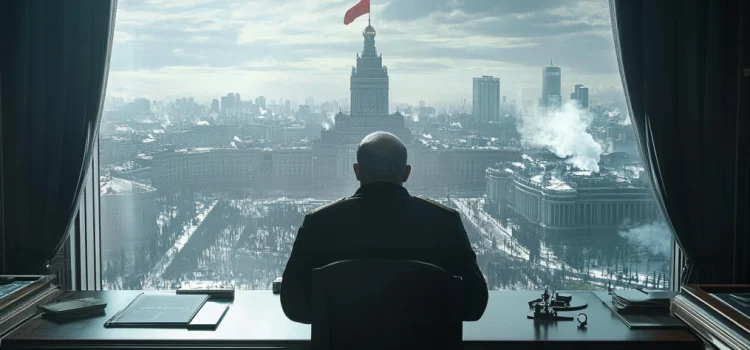
a national leader looking out of his office window at the capital city illustrates how dictators stay in power

How do dictators stay in power? How do they keep the right people satisfied? How differently do democratic leaders behave? In their book The Dictator’s Handbook, Bruce Bueno de Mesquita and Alastair Smith reveal the tactics dictators use to maintain control, comparing them with democratic practices. They explore three key methods: rewarding supporters, punishing dissenters, and managing revolutions. Read more to understand how dictators and democrats maintain power after they seize it.

What Is an Operational Framework and What Are the Benefits?

A manager showing employees the operational framework of his business

What is an operational framework? What are ways to get your employees on the same page about customer experience? To create a quality mindset as a manager, you need to create operational frameworks for your company. A framework is essentially a detailed plan that every employee should follow to meet the same goals. Continue reading for an overview of an operational framework’s purpose in a business.

Creative Resilience: How Creatives Turn Adversity Into Art

A sad man with his head in his hands in an art studio, displaying creative resilience

What is creative resilience? Is the trope of the tortured artist real? Why is growth after trauma so important? We’ve all heard of the “tortured artist” trope, but as it turns out, there’s some truth to the phrase. According to Wired to Create, an important characteristic of creatives is the ability to turn their trauma into art. Continue reading to learn how suffering can be meaningful.

Why the Starbucks Store Design Changed in the 2000s

The Starbucks store design on display

What makes the Starbucks store design stand out? When did Starbucks change the aesthetic of its stores? In the 2000s, Starbucks went through a technological and aesthetic overhaul. In addition to receiving semiautomatic coffee machines and laptops, Starbucks stores also got a new look for a cozier atmosphere. Here’s how former CEO Howard Schultz rationalizes the decisions behind these innovative changes.

How a Decline of Democratic Standards Threatens Democracy

two men in business suits warmly shaking hands as others stand nearby illustrate democratic standards

Are democratic norms truly essential for a healthy political system? What happens when these unwritten rules start to crumble? The decline of democratic standards is a threat to the idea of democracy itself. How Democracies Die by Steven Levitsky and Daniel Ziblatt explores the concepts of mutual toleration and institutional forbearance, which they argue are necessary for democratic systems to survive. Continue reading to discover how these crucial democratic norms shape political conduct and why their erosion could spell trouble for democracy as we know it.

The Art of Being Wrong: Embracing the Wonders of Error

a woman looking at a painting of a turtle flying over orange mountains and purple trees illustrates the art of being wrong

Have you ever wondered why art and humor captivate us so deeply? What role does being wrong play in our creativity and individuality? In her book Being Wrong, Kathryn Schulz explores the art of being wrong and its surprising benefits. She argues that our mistakes and misperceptions are not just inevitable—but essential—to our humanity. She shows how wrongness fuels humor, art, and personal uniqueness. Read on to discover why embracing our errors might be the key to unlocking our full potential.

What Is the Real Meaning of Procrastination?

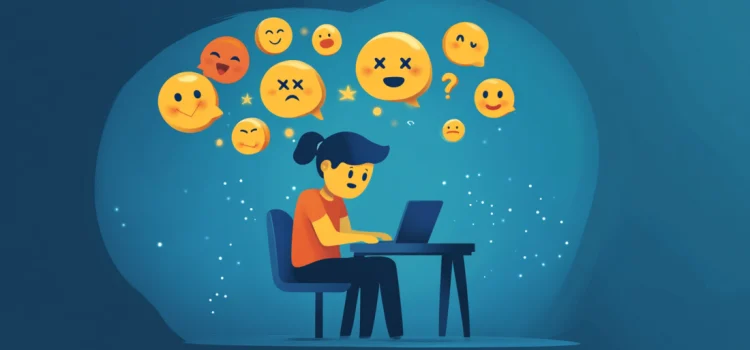
A woman working at a computer with emotions in thought bubbles, representing the real meaning of procrastination

What’s the real meaning of procrastination? What are some common misconceptions about procrastination? In Solving the Procrastination Puzzle, Timothy A. Pychyl explains what procrastination is and what procrastination isn’t. More specifically, he addresses the idea that we procrastinate because we’re bad at managing our time. Keep reading to learn why procrastination originates from unregulated emotions, not bad time management.

How to Treat Good Customers (& Weed Out the Bad)

A boss shaking hands with a man to appeal to customers

Which customers are worth letting go of? How do you know who your most valuable customers are? Mike Michalowicz says that an important component of the quality mindset in business is focusing your time, energy, and resources on your most valuable customers. Not every customer is going to be a good customer, so you need to learn how to differentiate between the bad and the good. Take a look at how to treat customers that will help or hurt your company down the line.