Theodore Roosevelt’s Leadership: Bias Towards Action

Theodore Roosevelt’s Leadership: Bias Towards Action

What was the greatest accomplishment of Theodore Roosevelt? How did a family tragedy help Theodore Roosevelt end a coal strike that threatened the lives of thousands? Teddy Roosevelt, who led the country from 1901 to 1909, was instrumental during the coal strike of 1902, when coal miners and mine owners faced off in a months-long strike that threatened to plunge the nation into crisis. According to historian Doris Kearns Goodwin, Roosevelt’s decision to intervene during this strike is evidence of courage and a bias towards action—both of which he developed after experiencing his own personal crisis. Here’s how a personal

Lyndon B. Johnson and the 1964 Civil Rights Act

Lyndon B. Johnson and the 1964 Civil Rights Act

What did LBJ do as a president? What was the main purpose of Lyndon B. Johnson’s Civil Rights Act? President Lyndon B. Johnson is most known for passing Kennedy’s civil rights bill. This both honored the late President’s memory and held the promise of a new America in which everybody had equal rights. The bill was designed to desegregate public spaces and enforce the integration of schools. Here’s how Johnson managed to pass the long-awaited bill.

Lyndon B. Johnson’s Presidency: Crisis to Purpose

Lyndon B. Johnson’s Presidency: Crisis to Purpose

What is Lyndon B. Johnson famous for? What was the greatest accomplishment of Lyndon B. Johnson’s presidency? Lyndon B. Johnson, who was president from 1963 to 1969, inherited the country during a time of immense crisis. Despite the struggles the nation faced at the time, LBJ was able to achieve great things as a president; his most noteworthy accomplishment being the passing of the Civil Rights Law. Historian Doris Kearns Goodwin, the author of Leadership: In Turbulent Times, attributes Lyndon’s accomplishments to his clarity of purpose. Here’s how having a sense of purpose helped Lyndon unite the nation in times

Carl von Clausewitz on the Nature of War

Carl von Clausewitz on the Nature of War

What is the relationship between war and politics? If war is supposed to achieve a political outcome, why do military interests sometimes contradict political aims? According to Prussian general and military theorist Carl von Clausewitz, war should be subservient to political policy. He argues that letting military interests shape political policy or giving the military latitude to take action outside of political policy is ridiculous because war is a tool of politics, not the other way around. Keep reading for Carl von Clausewitz’s take on the nature of war.

How Abraham Lincoln Freed the Slaves

How Abraham Lincoln Freed the Slaves

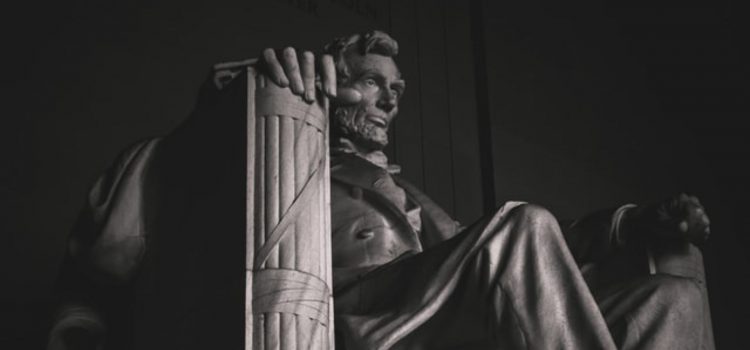
What is Abraham Lincoln known for? What dilemma did Lincoln face upon being inaugurated? Abraham Lincoln, who was president from 1861 to 1865, inherited a nation in crisis. By the time of his inauguration, seven Southern states had seceded from the Union, and his own party was divided. Lincoln had to decide whether they should try to keep the slave states in the Union, or if the time for compromise had ended. Here’s how Abraham Lincoln freed the slaves in spite of the backlash.

Cultural Leadership Lessons From Toussaint Louverture

Cultural Leadership Lessons From Toussaint Louverture

Are you trying to change the culture of your organization? What can you learn from Haitian revolutionary Toussaint Louverture about this kind of leadership? Toussaint Louverture led the military and diplomatic campaign that liberated enslaved people in Haiti and set the stage for its independence from France. In What You Do Is Who You Are, Ben Horowitz draws cultural leadership insights from Louverture. Read on to learn more about Louverture and his leadership.

What Is the New Thought Movement?

What Is the New Thought Movement?

What is the New Thought movement? What are the main beliefs? Is the movement still alive today? If you’ve read a self-help book, most likely you’ve been exposed to ideas from the New Thought movement. The 19th-century spiritual movement has even found its way into the secular literature of the 21st century—with tenets such as positive thinking and the law of attraction. Read more for an introduction to the New Thought movement and its ideas.

How to Assess Culture: Lessons From Shaka Senghor

How to Assess Culture: Lessons From Shaka Senghor

How often do you take the pulse of your company’s culture? Do you have a system to diagnose and solve problems? CEO and venture capitalist Ben Horowitz says you must keep assessing and improving your organization’s culture to ensure that it continues to serve your vision. He draws insights from Shaka Senghor’s story to pinpoint ways to keep a critical eye on your culture, root out the problems, and ultimately improve your organization. Here’s Shaka Senghor’s story and how to assess the culture in your company.

How to Create an Inclusive Culture at Your Workplace

How to Create an Inclusive Culture at Your Workplace

When hiring, do you look for particular people or particular skills? When leading, do you give everyone a chance to thrive? In What You Do Is Who You Are, Ben Horowitz looks to Genghis Khan for lessons on cultivating intentional culture. He identifies three tips for how to create an inclusive culture: take the lead, look for specific skills rather than specific people, and give everyone the opportunity to succeed. Keep reading for three ways to create an inclusive culture in the workplace.