The Karmic Law: Liberal/Conservative Divide

The Karmic Law: Liberal/Conservative Divide

How do liberals and conservatives view karmic law? How does karma fit in with our values of liberty and fairness? In his book The Righteous Mind, social psychologist Jonathan Haidt discusses how karmic law is part of the philosophy behind the Tea Party movement. This is because karma is entwined with our ideas of fairness and liberty. He explains how liberals and conservatives prioritize these values differently. Read more to learn how karmic law relates to our ideas of liberty and fairness.

Why Skills Trump Passion: 3 Stories That Explain

Why Skills Trump Passion: 3 Stories That Explain

Have you heard that ability matters more than passion when it comes to finding work you love? Do you know why skills trump passion? Cal Newport believes that it’s easier for highly skilled people to write their own tickets when it comes to job choice, ultimately allowing them to do work they love. He shares three stories that illustrate why skills trump passion. One story is his own. Read more to learn why skills trump passion.

Why Different Societies Have Different Moral Codes

Why Different Societies Have Different Moral Codes

Why do different societies have different moral codes? Why is a certain behavior “good“ here—but “bad“ over there? Jonathan Haidt, in his book The Righteous Mind, argues that morality is culture-dependent—that different societies have different moral codes. Studying people in Philadelphia and Brazil, he found that even groups within societies have different moralities from one another. Read more to learn why different societies have different moral codes.

The Role of Morality in the Political Divide

The Role of Morality in the Political Divide

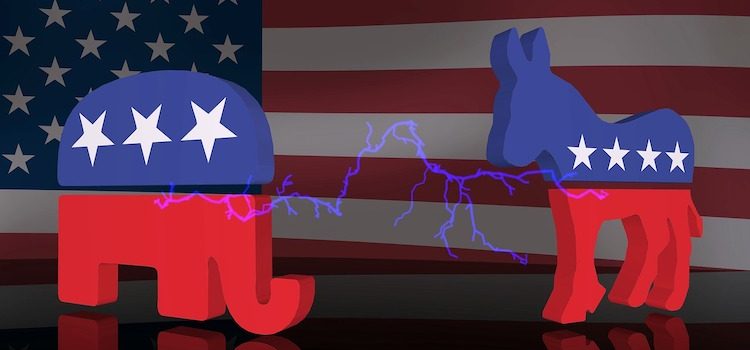
What are the underlying reasons for the political divide in America? How could we understand each other better? Jonathan Haidt’s moral foundations theory can help us answer these questions. In The Righteous Mind, Haidt explains how moral foundations work in the context of politics in the U.S. This application provides insight into today’s political divide. Read more to learn how different moral foundations contribute to the political divide.

Empathy and Morality: What Is the Connection?

Empathy and Morality: What Is the Connection?

What is the connection between empathy and morality? Do the moral philosophies of Bentham and Kant go far enough? In his book The Righteous Mind, social psychologist Jonathan Haidt asserts that popular Western theories about morality fail to fully grasp the connection between empathy and morality. He points to the moral philosophies of Jeremy Bentham and Immanuel Kant in particular. Read more to learn about the treatment of empathy and morality in Western philosophy.

The Advantages of Conservatism in Moral Psychology

The Advantages of Conservatism in Moral Psychology

What are the advantages of conservatism when it comes to moral psychology? What do conservatives understand and leverage that liberals do not? There are certain advantages of conservatism over liberalism in regard to understanding moral psychology. Conservatives tap into all six moral foundations, while liberals focus on only two or three. This means that conservatives have the power to persuade more people. Read more to learn about the advantages of conservatism in the realm of moral psychology.

The Righteous Mind: Why Don’t We All Just Get Along?

The Righteous Mind: Why Don’t We All Just Get Along?

Why is it so hard for us to get along? How can we understand each other better? The Righteous Mind, a book by social psychologist Jonathan Haidt, attempts to answer those questions and help us understand why hostile groups have different conceptions of what it means to be “right.” Liberals and conservatives lack a common language, and reason-based arguments about morality are ineffective. This leads to political polarization. Read on to learn more about The Righteous Mind.

Group Mentality: The Social Psychology of Groupism

Group Mentality: The Social Psychology of Groupism

Where does our group mentality come from? How does it benefit us? In his book The Righteous Mind, Jonathan Haidt argues that we can’t fully understand morality until we understand group mentality. He explains how we’ve learned to work together for the betterment of the whole, not just ourselves. Read more to learn about the origin of group mentality and how it relates to morality.

How Do We Reclaim Civility in Politics?

How Do We Reclaim Civility in Politics?

When was the last time you experienced civility in politics? How can it be achieved? When we find ourselves at odds with someone politically, it is likely that we have different moral matrices. To find common ground—or at least achieve respectful interaction—we would do well to identify which of the six moral foundations are at the heart of the issue. This can help us practice empathy, which in turn can help us achieve civility in politics. Read more to learn the key to finding civility in politics these days.