What does Tz’u mean? What is the concept of the Tao heart? Tz’u is the Taoist word for a belief in oneself. It means your heart and the compassion you have. Read more about Tz’u and what it represents.
Tz’u: Your Heart and Compassion in Taoism


The World's Best Book Summaries
What does Tz’u mean? What is the concept of the Tao heart? Tz’u is the Taoist word for a belief in oneself. It means your heart and the compassion you have. Read more about Tz’u and what it represents.

How can you incorporate Taoist practices into your life? Can the Taoist philosophy influence what you do? Taoist practices involve changing your mindset. You have to rethink knowledge, all of your qualities, and how you approach life. Keep reading for more about the Taoist philosophy and Taoist practices for your life.

What are the key messages of The Monk Who Sold His Ferrari? What are some The Monk Who Sold His Ferrari discussion questions? The Monk Who Sold His Ferrari discussion questions cover key concepts in Robin Sharma’s book. Use these exercises to help apply the principles of the book to your life. Keep reading for 10 The Monk Who Sold His Ferrari discussion questions.
Who are Chuang-tse and Lao-tse? How did they influence Taoism? Lao-tse and Chuang-tse are the top two writers on Taoist principles. Lao-tse wrote the oldest book and Chuang-tse illustrates some of the key ideas in his writings. Read more about the writings of Lao-tse and Chuang-tse.
What is the zen of Pooh? How can you achieve it? Questions about the key messages from The Tao of Pooh can help you achieve inner peace. Then, you can have the zen of Pooh. Read on for exercises to get to the zen of Pooh.
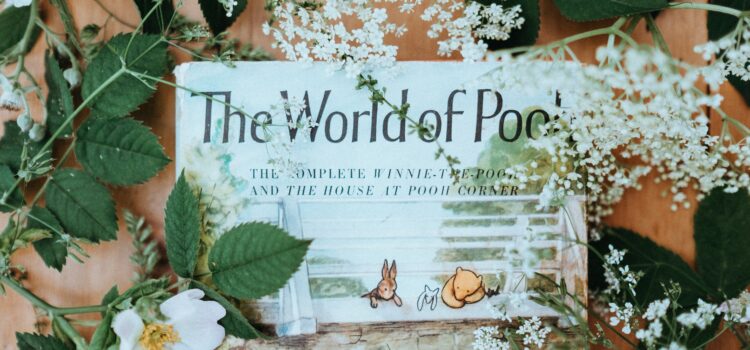
What is The Tao of Pooh by Benjamin Hoff? How does The Tao of Pooh book use the children’s characters to represent Taoism? The Tao of Pooh by Benjamin Hoff is a book that uses Winnie-the-Pooh to explain Taoism. The Tao of Pooh book walks through the six principles of Taoism. Read on for a summary of The Tao of Pooh by Benjamin Hoff.

What does “the empty mind” mean in Taoism? How does it relate to The Great Nothing and Winnie-the-Pooh? The empty mind is a Taoist practice of bringing stillness to your mind. It is also known as The Great Nothing. Read more about the empty mind and The Great Nothing.
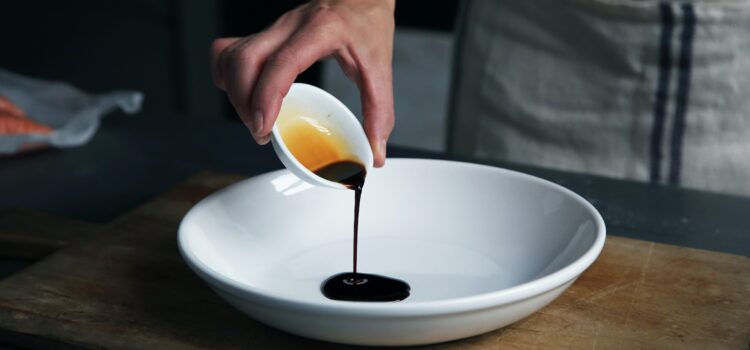
What is the story of the three vinegar tasters? How do the three vinegar tasters show the difference between Chinese teachings? The three vinegar tasters is a story that illustrates Confucianism, Buddhism, and Taoism. Based on what they taste and how they respond, you come to see what the essence of each faith is. Read on to understand Taoism as illustrated by the three vinegar tasters.

What is the tiddely pom, or tiddly pom? How does it work and what does Winnie-the-Pooh say about it? The tiddely pom, sometimes known as tiddly pom, is from Winnie-the-Pooh. In The Tao of Pooh, the tiddely pom poem is used to illustrate a Taoist principle of building momentum in life. Keep reading for a better understanding of the concept of “the more it snows,” tiddely pom, and The Tao of Pooh.
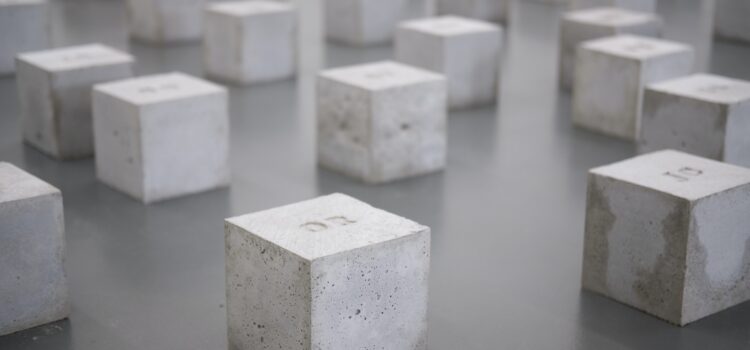
What is p’u? What does the Uncarved Block represent and how is this represented in The Tao of Pooh? The Uncarved Block, or p’u, is a concept from Taoism. So, what is p’u representative of? It means that things in their original state carry their own natural power Read on for the answer to “what is p’u?” and understand the concept of the Uncarved Block.