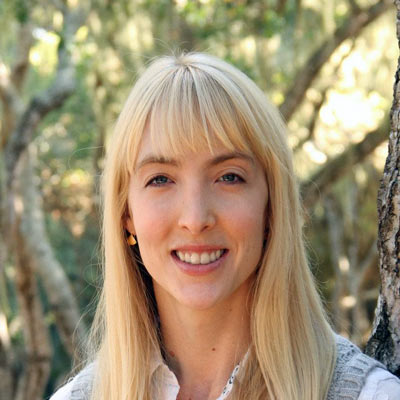
Tyler Westover: Tara Westover’s Savior and Inspiration

Tyler Westover: Tara Westover’s Savior and Inspiration

Who is Tyler Westover? What is Tyler’s relationship with his sister Tara like? How did he inspire her to become educated? And why does Tara Westover choose to use his real name in her book? Tyler Westover is one of the five brothers of Tara Westover, author of the memoir Educated. He inspired Tara to attend college, the pivotal break from her abusive home life. We’ll look at Tyler Westover’s relationship with the author and cover parts of Educated that might indicate why Tara chooses to write about him using his real name (she gives her parents, brother “Shawn,” and

How to Find Mutual Gains in Negotiation

How to Find Mutual Gains in Negotiation

When entering a negotiation, you often think only of your own interests. How could it benefit you to negotiate a deal that results in mutual gains? And is it possible to achieve mutual gains without compromising what you want? Believe it or not, finding mutual gains is in your best interest as well as the other party’s best interest. We’ll look at why seeking mutual gains is important in negotiations and how to find mutual gains.

Shawn Westover: Tara Westover’s Brother and Abuser

tough situation

Who is Shawn Westover? What is Shawn’s relationship with his sister Tara like? And why doesn’t Tara Westover reveal his real name? Shawn Westover is the fictitious name Tara Westover gives to one of her brothers in her memoir Educated. We’ll look at Shawn Westover’s relationship with the author and cover parts of Educated that might indicate why Tara chose not to reveal Shawn’s real name, even though she used the real names of at least three of her four other brothers.

Choosing a School? Beware the Big-Fish-Little-Pond Effect

Choosing a School? Beware the Big-Fish-Little-Pond Effect

What is the Big-Fish-Little-Pond Effect? And how does it affect me? The Big-Fish-Little-Pond Effect is the theory that we compare ourselves to the students around us. When you’re a high-achieving student in a low-achieving school (a big fish in a little pond), you’re likely to have more confidence in your intelligence and academic ability than a student with the same IQ in a high-achieving school (a big pond). Learn why it’s so important to understand the Big-Fish-Little-Pond Effect, especially if you’re a student (or the parent of one!).

The Troubles: How a Small Protest Became 30 Years of Violence

The Troubles: How a Small Protest Became 30 Years of Violence

What were the Troubles? What caused the situation to escalate so quickly? What actions and attitudes could have changed its course? The Troubles was a time of violence in Northern Ireland rooted in ethnic, political, and religious conflict. During the Troubles, the Catholics were the Davids (underdogs) and the British Army was the Goliath (the powerful giant). We’ll discuss two aspects of Goliath’s power that actually make him less powerful: the limits of authority and the negative effects of the overuse of power.

Relative Deprivation Theory: Why You Shouldn’t Go to Harvard

Relative Deprivation Theory: Why You Shouldn’t Go to Harvard

What is the relative deprivation theory? How does it affect the choices I make, in school, at work, and in life in general? The relative deprivation theory is a theory that says we compare ourselves to the people around us. Our feelings of happiness or deprivation, success or failure, are not absolute, but rather relative to how happy and successful our neighbors are. Learn why it’s critical to understand the relative deprivation theory when making decisions and assessing your successes and failures.

Konrad Kellen’s Vietnam Warning: Why Didn’t Anybody Listen?

Konrad Kellen’s Vietnam Warning: Why Didn’t Anybody Listen?

Who was Konrad Kellen? And is it possible that he could have shortened the Vietnam War? Konrad Kellen was a German political analyst who served in various roles, including U.S. Army Intelligence, during his long career. Learn what Konrad Kellen knew about the Viet Cong and the Vietnamese people that could have ended the Vietnam War earlier and saved many lives…if only the U.S. government had taken his opinion seriously.