Brain Rules: 12 Book Principles to Know

Brain Rules: 12 Book Principles to Know

What is the book Brain Rules about? What are the 12 rules Dr. John Medina describes in his book? In the Brain Rules book, Medina lists his 12 rules that help fulfill three core brain functions: solve problems, function in an unpredictable environment, and operate in near-constant motion. These rules can help you understand how brains work so you can improve your learning and thinking. Here’s a brief overview of the Brain Rules book and its principles.

What Is Sleep Debt and How to Cure It

What Is Sleep Debt and How to Cure It

Do you have trouble falling asleep? What is sleep debt, and how can you conquer it? According to Dr. John Medina in Brain Rules, sleep debt is the amount of sleep you lose versus the amount your body needs. Say you need eight hours of sleep, but you only got six. You have two hours of debt sleep, and it consistently builds up the more sleep you lose. Learn more on what sleep debt is, and a few techniques to get a good amount of sleep.

Long-Term Stress Effects on Memory and Learning

Long-Term Stress Effects on Memory and Learning

Do you feel consistently overwhelmed or pressured? What are the effects that long-term stress can leave on your life? Long-term stress, otherwise known as chronic stress, is the constant feeling of stress over a long period of time. Not only does this type of stress cause physical effects on your body, but it can leave mental effects as well. Your learning skills and memory can be negatively impacted by the amount of stress you are experiencing. Read on to learn more about long-term stress and how it affects your mentality.

Science Literacy: Why Stephen Hawking Said It’s Vital

Science Literacy: Why Stephen Hawking Said It’s Vital
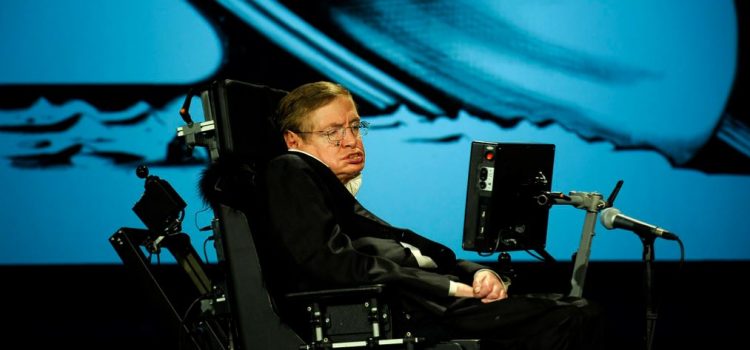
What is science literacy? Why might the future of the human race depend on the next generation of scientists? Science literacy is the understanding and knowledge of science. Before he passed, Stephen Hawking wrote that the survival of the human species will depend on future scientists because he believed the only way humans will avoid extinction is by colonizing space. Here’s why science literacy is so important—and how politics get in the way.

Stephen Hawking: God Is Unnecessary

Stephen Hawking: God Is Unnecessary

Did Stephen Hawking believe in God? How are Hawking’s views of God similar to that of pantheistic religions? According to the late Stephen Hawking, God is unnecessary because science explains the universe better than religion. However, Hawking didn’t rule out the possibility of God—he said that “God” is the natural laws of the universe rather than a singular being. Here are Stephen Hawking’s ideas about God.

Why Multisensory Learning Benefits Students

learning

What is multisensory learning? Why do students learn better when using multiple senses simultaneously? Dr. John Medina theorizes that a multi-sensory environment impacts the development of the brain, and the senses work together to absorb information. He further explains the concept of multisensory learning and the benefits of implementing it in schools. Here’s why you should use multisensory learning in the classroom.

Human Brain Evolution and the 3 Unique Human Traits

Human Brain Evolution and the 3 Unique Human Traits

How did the evolution of the brain make humans so intelligent? What makes humans so special compared to other species? Humans are arguably the smartest creatures on Earth, and it all has to do with the human brain. Evolution played a key role in humans’ brain development, which created three distinct human characteristics that set humans apart from other species. Learn how the evolution of the brain made humans so unique, according to Dr. John Medina.

Stephen Hawking: Aliens Are Probably Out There

Stephen Hawking: Aliens Are Probably Out There

What did Stephen Hawking say about aliens in his book Brief Answers to the Big Questions? Did Hawking believe in the existence of extraterrestrials? According to famed theoretical physicist Stephen Hawking, aliens most likely exist, but there’s a good chance humanity will never encounter them. This is because Hawking believed that extraterrestrial life is likely unintelligent and lacks the technology to communicate with others. Here’s an in-depth look at Stephen Hawking’s theories about aliens.

Individualized Instruction: Fulfilling Students’ Needs

Individualized Instruction: Fulfilling Students’ Needs

Do you struggle to meet the needs of all your students? How can individualized instruction provide a better learning experience for students? In Brain Rules, Dr. John Medina recommends individualized instruction methods to accommodate each student’s unique way of learning. Two of these methods include smaller class sizes and flipped classrooms, which suit individual students. Learn more on the benefits of individualized instruction, and why it may be necessary for teaching.

Will Humans Move to Another Planet? Hawking’s Take

Will Humans Move to Another Planet? Hawking’s Take

When resources run out on Earth, will humans move to another planet? Should they? What did famed theoretical physicist Stephen Hawking think? In his final book Brief Answers to the Big Questions, Stephen Hawking discusses space colonization. His conclusion was that humans need to colonize outer space because humans are running out of space on Earth, and because humans are at risk for extinction otherwise. Here’s why Hawking said humans should colonize space.