The Law of Solid Ground: No Trust, No Influence

The Law of Solid Ground: No Trust, No Influence

What is the Law of Solid Ground? What do you think is the foundation of good leadership? The Law of Solid Ground is the sixth law of leadership from The 21 Irrefutable Laws of Leadership by John C. Maxwell. This law states that leadership is built on a foundation of trust. If a leader doesn’t have their followers’ trust, or they’ve broken it, they can’t exert influence over those people. Keep reading to learn about the Law of Solid ground plus some real-world examples of its application.

Obama and Clinton: Tense Rivalry Becomes Partnership

Obama and Clinton: Tense Rivalry Becomes Partnership

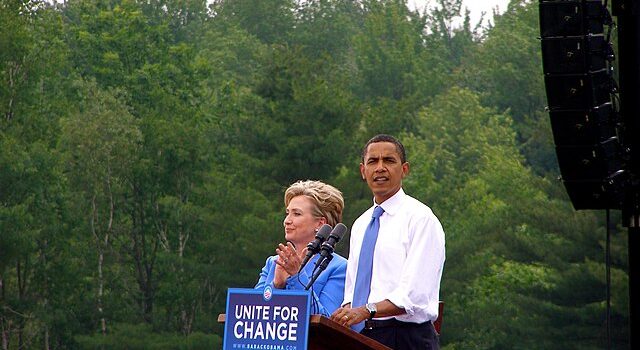
What was the relationship between Obama and Clinton like? How did the relationship change when he got the nomination? Throughout the campaign, the Obama and Clinton battled for the Democratic nomination. After Obama won the nomination, Clinton helped support his campaign. Read more about the campaign rivalry between Obama and Clinton and how it affected Obama’s campaign.

Bowlby Attachment Theory + Other Styles

Bowlby Attachment Theory + Other Styles

What was John Bowlby’s attachment theory? How did Mary Ainsworth further Bowlby’s research? The Bowlby attachment theory states that children need two things: safety and exploration. And when a child feels unsafe, they will reach out for their parent. Ainsworth took the theory even further and came up with the three different attachment styles. Keep reading to learn more about Bowlby’s attachment theory.

Norms of Society: It All Depends on the Situation

Norms of Society: It All Depends on the Situation

What are the two main norms of society? Why is it damaging to introduce market norms in a friendship? How is it beneficial to introduce social norms in the workplace? There are two main norms of society: social norms and market norms. Social norms are requests made by friends or family, and market norms are transactional obligations. Mixing the two societal norms can have unexpected outcomes. Keep reading for more information about the norms of society.

Evolutionary Relationships: Mate Selection & Jealousy

Evolutionary Relationships: Mate Selection & Jealousy

What do men and women look for in a mate? How does evolution affect sexual behavior? How is jealousy a construct of evolution? Human babies take a long time to develop after birth. This long period of child care requires participation from females and males which has created some mating-related behaviors. Everything from mate selection, to jealousy, to testing loyalty, to how society perceives promiscuity comes from evolution. Keep reading for more on evolutionary relationships.

Reciprocal Altruism Theory: Selfish Selflessness

Reciprocal Altruism Theory: Selfish Selflessness

Why do we feel a strong urge to repay favors, even from strangers? How does altruism lead to happiness? Is it possible to feel good while faking altruism? Reciprocal altruism theory states that we treat others as we have been treated by them. In other words, we may help others at a cost to ourselves, in hopes that others will repay the favor. This altruistic behavior came from evolution because by doing good for others, we are doing good for ourselves. Keep reading to learn more about the reciprocal altruism theory.

Reproduction in Mammals and the Evolution Behind It

Reproduction in Mammals and the Evolution Behind It

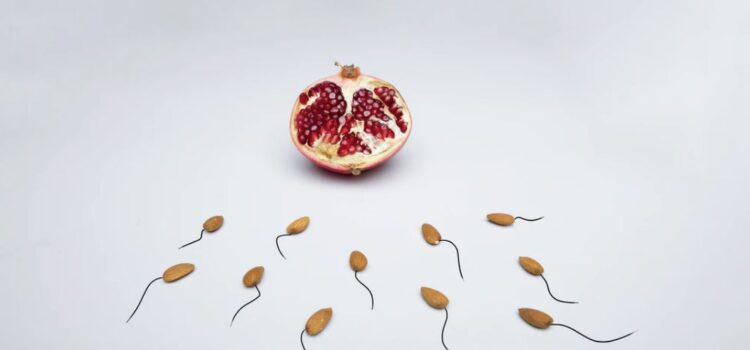
Why don’t mammals reproduce asexually? Why are sperm so much smaller than eggs? Why do male mammals typically have to fight to inseminate a female? Reproduction in mammals varies depending on species. The main reason mammals reproduce sexually is to promote genetic diversity, otherwise, an entire species could be wiped out with one sickness. Keep reading to learn more about reproduction in mammals.

Group Selection Is a Myth: Only Genes Matter

Group Selection Is a Myth: Only Genes Matter

Is there such thing as group selection? Why did the lemmings jump off the cliff in the famous documentary? The theory of “group selection” states that some members of a group may sacrifice themselves for the good of the species. This theory is greatly flawed because if there was a self-sacrificing gene, then the members of the group with that gene would die out very quickly. Continue reading about the myth of group selection.