Slow Thinking: The Secret to Smarter Decisions

Slow Thinking: The Secret to Smarter Decisions

What is “slow thinking?” How can you use it to become a better thinker and make better decisions? Slow thinking is when you allocate attention to the effortful mental activities that demand it, including complex computations. It’s often associated with the subjective experience of agency, choice and concentration. We’ll cover what slow thinking is and how to use it to make better decisions.

Planning Fallacy: Why You Didn’t Meet Your Deadline

Planning Fallacy: Why You Didn’t Meet Your Deadline

What is the planning fallacy? How can I avoid it? And what are some examples of the planning fallacy? The planning fallacy is the phenomenon of habitually underestimating the amount of time and resources required to finish a project. When estimating for a project, you tend to give “best-case scenario,” which rarely happens. We’ll look at a planning fallacy example that fleshes out the above definition, and cover how the planning fallacy works and how to avoid it.

Homeopathy Doesn’t Work: Stories From Tara Westover

Homeopathy Doesn’t Work: Stories From Tara Westover
When you’re sick or injured, can homeopathy cure or heal you? Although some people swear by homeopathic remedies, many people say homeopathy doesn’t work. One person suggesting homeopathy doesn’t work is Tara Westover. In her memoir Educated, Westover writes about her family’s anti-medicine stance and her parents’ dependence on homeopathy rather than hospital visits. Below, read about how homeopathic remedies were used in her childhood home.

How Brer Rabbit Inspired the Civil Rights Movement

How Brer Rabbit Inspired the Civil Rights Movement

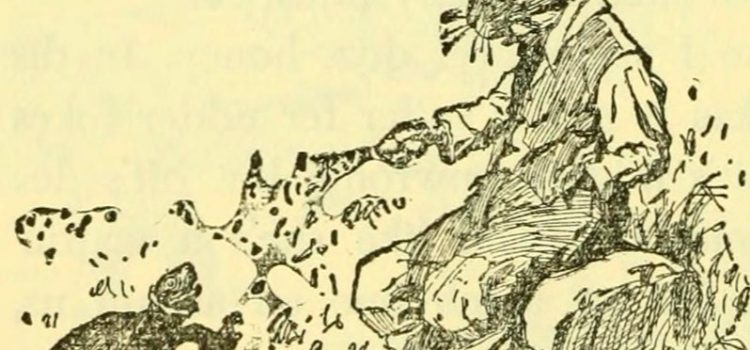
Who is Brer Rabbit? And why is he so important to the history of the Civil Rights Movement? Brer Rabbit is a popular character in Southern lore who uses his wits to outsmart characters who are stronger and more powerful than he is. We’ll cover how the Brer Rabbit stories inspired the leaders of the American Civil Rights Movement, and what you can learn from both the stories and the movement.

Losing a Parent: The One Silver Lining

Losing a Parent: The One Silver Lining

Losing a parent is one of the most devastating things that can happen to a child. But, once the initial, most acute grieving subsides, is it possible that losing a parent can make a child stronger? We’ll cover the theory of “desirable difficulties” and look at why it may not be a coincidence that some of the most successful people in history lost a parent when they were young.

3 Common Desirable Difficulties That Make You Better

3 Common Desirable Difficulties That Make You Better

What are desirable difficulties? Are all difficulties desirable? Desirable difficulties are so-called disadvantages that can actually be strong advantages. They build resilience and make you seek surprising strengths despite having the difficulties. We’ll cover three desirable difficulties — disability, tragedy, and having nothing — and look at why these difficulties may make you stronger than you would have been without them.

6 Arguments Against the Benefits of Smaller Class Sizes

Think Yourself Healthy: Live Like a Child

Every parent knows the benefits of smaller class sizes: more attention, higher achievement, and a sense of community, among other benefits. With so much to love, what could be bad about smaller class sizes? The benefits of smaller class sizes are valuable, but smaller isn’t always better. We’ll look at examples from around the world that demonstrate that it’s possible for a class to be too small.