The Trade Secret Case of Donald W. Wohlgemuth

The Trade Secret Case of Donald W. Wohlgemuth
What are trade secrets? What are the laws associated with them? How can you protect them? Though laws and regulations can shift based on the whims and follies of Wall Street’s big players, John Brooks writes that even one individual can change the legal landscape. In Business Adventures, he discusses a landmark trade secret case involving a man named Donald W. Wohlgemuth, whose employer tried to prevent him from accepting another job offer because he had knowledge of trade secrets. Read more to learn about trade secrets through the example of this historic case.

What’s Insider Trading? The Texas Gulf Sulphur Case

What’s Insider Trading? The Texas Gulf Sulphur Case

What’s insider trading? Is it wrong? What can you learn from the Texas Gulf Sulphur Company case? John Brooks writes about a landmark insider trading case against Texas Gulf Sulphur Company, in which the law’s ambiguous definitions of “material evidence” and “a reasonable amount of time” were put to the test. The SEC took the company to court for illegally using insider information and misleading the public. Read more to learn about this historic case of insider trading.

U.S. Income Tax History: Is It a Rich Man’s Tax?

U.S. Income Tax History: Is It a Rich Man’s Tax?

What’s the history of the federal income tax? Is income tax a “rich man’s tax”? In a survey of U.S. income tax history, John Brooks traces the roots of the federal income tax and discusses how the wealthiest people can get away with paying hardly anything at all. Much of this is due to the increasing complexity of tax laws over the years. Keep reading to understand Brooks’s perspective on the federal income tax.

Business Complacency: Stockholder Meetings Matter

Business Complacency: Stockholder Meetings Matter

What happens when stockholders don’t care about anything other than making money? Why should they attend annual stockholder meetings? Business complacency often happens once a company has achieved success. John Brooks warns against this apathy—particularly from stockholders who take little or no interest in business decisions—as it can cause you to be blind to internal weaknesses and external threats. Keep reading to learn more about complacency on the behalf of stockholders and the importance of annual stockholder meetings.

Why Did the Ford Edsel Fail? The 3 Reasons It Flopped

Why Did the Ford Edsel Fail? The 3 Reasons It Flopped

Why did the Ford Edsel fail? What can we learn from this adventure in business? In the 1950s, Ford Motor Company wasted millions of dollars on the Edsel, a car that is considered one of the biggest product launch failures of all time. In Business Adventures, John Brooks shares his analysis, offering three reasons for the failure. Continue reading to learn why the Edsel was a flop.

Business Adventures by John Brooks: Book Overview

Business Adventures by John Brooks: Book Overview

What can you learn from Business Adventures by John Brooks? Is the book still relevant, after all these years? Business Adventures is a collection of essays about the unpredictability of corporations and Wall Street—and the people behind them. Through 12 in-depth essays, longtime New Yorker contributor John Brooks examines how businesses and economies can rise and fall based on people’s behavior, which is often driven by emotions, habits of thinking, and human tendencies. Read more for an overview of this business classic.

What’s a Short Squeeze? Piggly Wiggly & GameStop

What’s a Short Squeeze? Piggly Wiggly & GameStop

What’s a short squeeze? Who profits? Who loses? Making the case that people are the stock market’s most volatile component, John Brooks recaps how a man from Memphis named Clarence Saunders “cornered” his own company’s stock, meaning he obtained enough shares to give him the power to manipulate its price. It wasn’t a calculated move on his part; it was a reaction to Wall Street speculators who had planned an attack on his company, a chain of supermarkets called Piggly Wiggly. The affair serves as an interesting illustration of a short squeeze. Continue reading to learn about the Piggly Wiggly

John Berger’s Ways of Seeing: Book Review

John Berger’s Ways of Seeing: Book Review

What is John Berger’s Ways of Seeing about? What is the key message to take away from the book? In his book Ways of Seeing, John Berger argues that, throughout history, the way we see art has been manipulated by a privileged minority to preserve their social and economic dominance. Berger’s premise is that the dominant class has always used art and art criticism to “mystify” the working class. Here’s a brief overview of Ways of Seeing by John Berger.

Mythology Paintings: Self-Serving Snobbery?

Mythology Paintings: Self-Serving Snobbery?

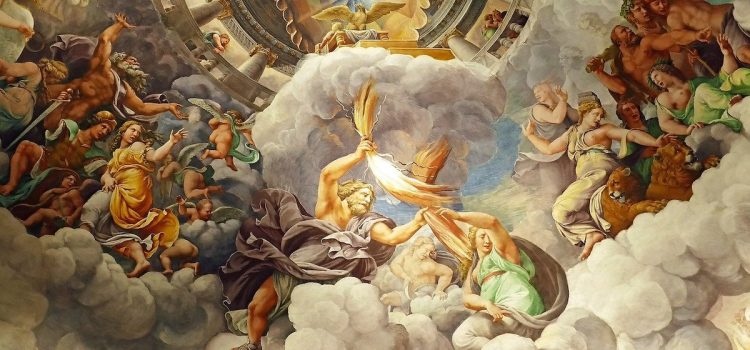
What is mythological art? Why did mythology use to be accessible only to the rich? Access to mythology used to be a prerogative of the wealthy elites. According to art critic John Berger, works of art that depicted elements of mythology were the elites’ way of affirming their high status because they were educated enough to know the stories being told.   Keep reading to learn Berger’s view of mythology paintings in the European tradition.

What Is Genre Painting? John Berger’s Perspective

What Is Genre Painting? John Berger’s Perspective

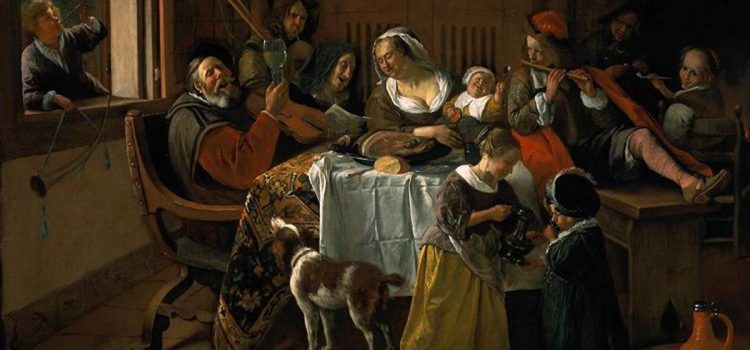
What is genre painting? How does it depict the social classes? According to art critic John Berger, genre painting in the European oil painting tradition served a purpose beyond simple aestheticism. He believes that it sent certain messages about socio-economic status—messages that elevated one class and belittled another. Read more to learn about genre painting.