Dan Harris’s Meditation Journey: Skeptic to Teacher

Dan Harris’s Meditation Journey: Skeptic to Teacher

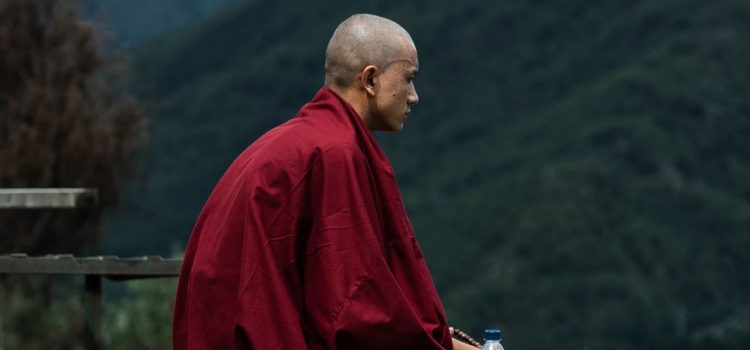
How did author and former news correspondent Dan Harris go from being a meditation skeptic to writing a book on mindfulness? What sparked his change in mindset? Dan Harris is best known for his on-air panic attack that sparked his long journey from drug addict to self-help author. Dan Harris’s meditation and mindfulness book, 10% Happier, explores his personal journey while providing the advice he learned along the way. Harris hopes to help others overcome anxiety and addiction by providing instructions for easy, everyday meditation practices. Continue reading for an overview of Dan Harris’s journey.

Debunking the Top 4 Mindfulness Myths

Debunking the Top 4 Mindfulness Myths

What are the top myths surrounding mindfulness? Have you let those misconceptions hold you back from practicing mindfulness? Author Dan Harris is no stranger to the myths surrounding mindfulness and meditation. Harris was a former skeptic and critic himself. In this post, Harris, the author of 10% Happier, explores the most common mindfulness myths and debunks them. Let’s take a closer look at the four most common myths.

How to Use Meditation for Success

How to Use Meditation for Success

Do you believe the myth that meditation can hinder your success? Is there a way to use meditation for success? In his book 10% Happier, former meditation skeptic Dan Harris said that he used to believe that mindfulness and ambition could not coexist. He thought that if he took up mindfulness meditation, he would need to sacrifice his career. As it turns out, he was able to find a balance between the two. Here’s how you can make your meditation practice work with your career.

How to Craft Defining Moments in Everyday Life

How to Craft Defining Moments in Everyday Life

Can you think of a defining moment from your past? What made it so? More generally, what makes a defining moment? There’s a common misconception that defining moments in life are large milestone events—such as the birth of your child—or simply happen as a matter of pure serendipity—such as going to a café and bumping into the woman you’ll marry. However, according to Chip and Dan Heath, the authors of The Power of Moments, most defining moments happen in small, everyday events, and what makes them stand out is how you shape them by investing your time, effort, and strategic

The 3 Major Personal Life Choices We All Must Make

The 3 Major Personal Life Choices We All Must Make

What are the biggest personal life choices that everybody must make? In what ways does expanded choice affect these decisions? In his book The Paradox of Choice, Barry Schwartz explains that there are three major personal choices that we all must make in life: relationships, religion, and identity. Schwartz says that these already difficult decisions are complicated by the fact that people today have more options than ever. Here’s an overview of Schwartz’s discussion on personal life choices.

How to Generate Self-Insight: Risk Failure

How to Generate Self-Insight: Risk Failure

What is self-insight? How can you prompt self-insight on demand? Self-insight is your metacognitive understanding of your psyche and behavior (your thoughts, feelings, motivations, etc.). According to Chip and Dan Heath, the authors of The Power of Moments, the best way to gain self-insight is to put yourself in situations that expose you to the possibility of failure. Keep reading to learn how risking failure translates into valuable self-insight.

Find Your Values to Escape the Cycle of Dissatisfaction

Find Your Values to Escape the Cycle of Dissatisfaction

Do you know what your values are in life? Why does Jay Shetty say it’s so important to find your values and live by them? Can you change your values? In his book Think Like a Monk, former monk, author, and life coach Jay Shetty discusses the importance of setting clear values for yourself. Once you’ve set those values, it’s your job to examine your life and your choices and decide whether your current life and decisions align with your values—if not, it’s time to make some changes. Here’s how to clarify your core values in life.

Think Like a Monk: Quotes by Jay Shetty

Think Like a Monk: Quotes by Jay Shetty

What are some of the best Think Like a Monk quotes from Jay Shetty? What can Shetty teach you about adopting a monk mindset? Former Vedic monk and award-winning content creator Jay Shetty claims that the route to happiness and fulfillment is to think like a monk. According to him, monks are the calmest and happiest people in the world because they live with a sense of purpose that aligns with their true, inner selves.  Continue reading for some of the best quotes from Think Like a Monk.

Declutter Your Mind to Think Like a Monk

Declutter Your Mind to Think Like a Monk

Is your mind full of clutter such as feelings of overwhelm, confusion, and anxiety? How can you declutter your mind and invite more clarity into your life? Jay Shetty, the author of Think Like a Monk, says there are three steps to developing a monk mindset: purify, clarity, and exemplify. The first stage, purify, involves decluttering your mind so you can focus on what really matters. Keep reading to learn about purifying your mind.

Clarify Your Values Before You Set Your Goals

Clarify Your Values Before You Set Your Goals

What are your values in life? In other words, what’s most important to you? Why is it important to define your core personal values? Your values are like a compass—they show you a clear path forward and guide every decision you make as you work toward your goals. If you’re unclear about your values, you won’t be able to make decisions that move you in the right direction, resulting in frustration and a lack of fulfillment. Here’s why it’s important to clarify your values before you embark on a goal.