Benedict Anderson: Nationalism as a Personal Identity

Benedict Anderson: Nationalism as a Personal Identity
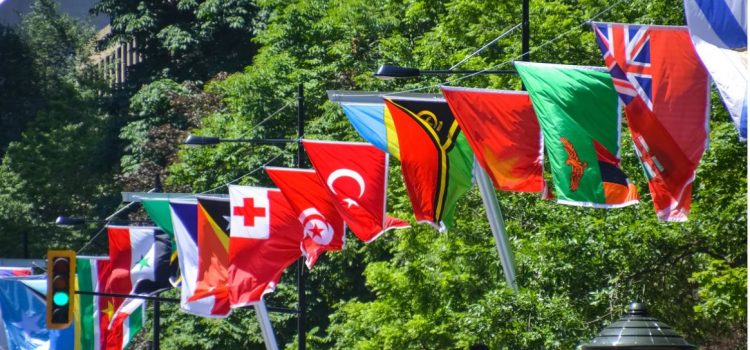
Why is nationalism such a powerful concept? Why would many people die for their country but not for their political party or hometown? In his book Imagined Communities, Benedict Anderson says nationalism is a form of personal identity that creates bonds of loyalty and love. The only other identity that is as strong as nationalism is religion. Here’s what Anderson has to say about nationalism.

Nassim Taleb: Is Your Skin in the Game?

Nassim Taleb: Is Your Skin in the Game?

How does Nassim Taleb define “skin in the game”? How do you know whether you have your skin in the game? Someone who has their “skin in the game” has a vested interest in the outcome of an event and, more importantly, has something to lose. Essentially, Taleb equates skin in the game to risk. The more you have to lose, the more skin you have in the game. In this article, we’ll go over some broad principles that are key to understanding Nassim Taleb’s skin in the game philosophy.

Why Humans Have a Natural Creative Impulse

Why Humans Have a Natural Creative Impulse

Why do people like to be creative? Do you think there is a biological underpinning for the human creative impulse? We, humans, enjoy and take pride in our creativity. The creative impulse dates back to pre-historic times—ancient cave drawings, sophisticated and aesthetically pleasing tools dating back 2.5 million years ago. According to Elizabeth Gilbert, the human proclivity toward creativity is encoded in our DNA. In this article, we’ll explore where the human creative impulse stems from.

Peace in Society Without Policing: A Pipe Dream?

Peace in Society Without Policing: A Pipe Dream?

Are humans more peaceful or destructive by nature? Is peace in society possible without central overseeing authority? In his book Skin in the Game, Nassim Taleb argues that peace is a natural state of human civilization. However, many people falsely assume that the natural state of civilization is ceaseless, destructive conflict, which leads them to believe that institutions need to intervene. In this article, we’ll explain why Taleb sees peace as the dominant status of civilization and how, when left to their own devices, people tend to resolve conflict and collaborate.

The Lindy Effect: The Ultimate Test of Time

What is the Lindy effect? Why does the longer something has been around, the longer it will likely be around in the future? Named after a deli in which actors are said to have casually invented the idea, the Lindy effect states that a nonperishable thing’s longevity is roughly equal to its current age. In other words, truly effective ideas, inventions, and institutions become less likely to die as time goes on. As Nicholas Taleb puts it, if something is “Lindy,” it “ages in reverse.” In this article, we’ll explore the “Lindy effect” and show why, in the absence of

The Importance of Studying Mythology and Folklore

The Importance of Studying Mythology and Folklore

What is the importance of studying mythology and folklore in modern society? In what ways can myths be useful to us? When you understand that myths bind us together and make us feel like we are a part of something much larger than ourselves, you will recognize the continued importance of studying mythology and folklore. The power of myths lies in the fact that they always yield answers to any question we ask of them. They can be stories that amuse us, they can be instructional, they can provide us with a higher meaning, and anything else we demand of

Skin in the Game: Book Overview and Key Takeaways

Skin in the Game: Book Overview and Key Takeaways

What is Nassim Taleb’s book Skin in the Game about? What is the central premise of Taleb’s “skin in the game” philosophy? Skin in the Game is the fifth book in Taleb’s Incerto series. The main idea of the Incerto is that the world is fundamentally unpredictable, and Skin in the Game is about the ethics of living in that uncertain world. Below is a brief overview of the key points.

What Is the Link Between Language and Nationalism?

What Is the Link Between Language and Nationalism?

How did language and literacy impact the growth of nationalism? What indirect impact did the advent of the printing press have on nationalism? According to Benedict Anderson’s theory, nationalism is a modern and “unnatural” social construct that quickly expanded after the rise in literacy. Language and nationalism are connected because one of the primary bonds that link strangers is their shared language. Continue reading for more on the link between language and the rise of nationalism.

Bias in Journalism: Why Journalists Take Sides

Bias in Journalism: Why Journalists Take Sides

Do you think journalists are largely objective in their representation of news? What happens when a journalist disseminates a biased perspective? According to Nassim Taleb, bias in journalism is the result of journalists’ lack of “skin in the game.” Their salaries don’t depend on how much useful and accurate information they convey to the public—rather, they depend on how well they fulfill their employers’ expectations. In this article, we’ll describe the flaws caused by a lack of skin in the game that Taleb has identified in the news media.