How the CHIPS Act Can Save U.S. Chip Manufacturers

How the CHIPS Act Can Save U.S. Chip Manufacturers

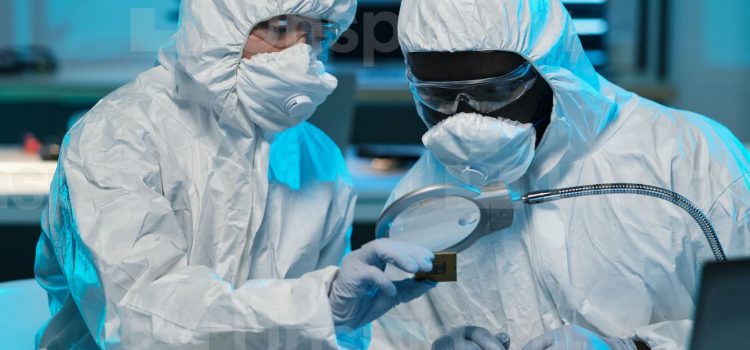
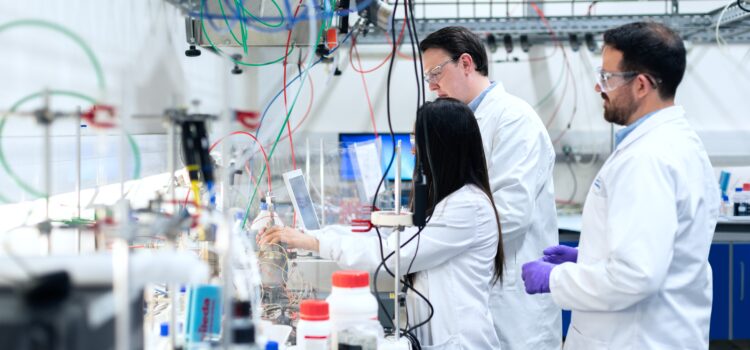
What is the CHIPS (Creating Helpful Incentives to Produce Semiconductors and Science) Act? How will it help U.S. manufacturers? Chips are essential to all the tech we rely on every day, from our smartphones to our cars. Once upon a time, the U.S. produced those chips, but today they mostly come from Taiwan or China—however, the CHIPS Act may reverse that trend. Read on to learn more about the CHIPS Act and the state of the chip industry today.

Are We Made From Stardust? Neil deGrasse Tyson Explains

Are We Made From Stardust? Neil deGrasse Tyson Explains

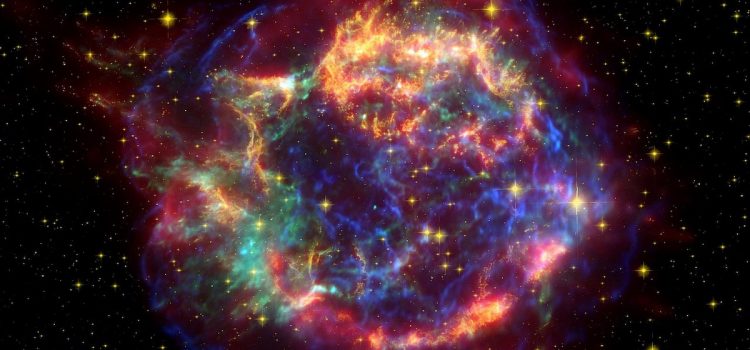
Are we made from stardust? What do people mean when they say that? In his book Astrophysics for People in a Hurry, Neil deGrasse Tyson discusses the process of the Big Bang and what followed. Our bodies contain water, made up of hydrogen atoms that were created by the Big Bang. The Big Bang, however, didn’t create the other elements. That’s where stars come in. Keep reading to learn about the link between human beings and stars, according to Tyson.

Publication Bias in Research: Are We Being Lied To?

Publication Bias in Research: Are We Being Lied To?

What is publication bias in research? Why do some companies only publish good results? Publication bias is a problematic tactic because it fails to reveal every result of a study, whether good or bad. In Bad Science, Ben Goldacre goes into more detail about why publication bias in research needs to be stopped. Let’s look into why companies consider giving into publication bias in the first place.

Microwave Background Radiation: When the Cosmos Glowed

Microwave Background Radiation: When the Cosmos Glowed

What’s cosmic microwave background radiation? What does it tell us about the history of the universe? After the Big Bang, all of the universe’s matter comprised a sea of hydrogen and helium gas so dense that any light it gave off was quickly reabsorbed. A universal dark age began that would last nearly 400,000 years. Then, the cosmos began to glow. Read more to learn about this glow that we can still observe today and to understand what it tells us about the universe and its history.

The 3 Types of Scientific Misconduct in Research

The 3 Types of Scientific Misconduct in Research

What qualifies as scientific misconduct in research? How does misinformation about science spread to the public? Many people trust scientists to give them facts about health, new discoveries, and more. However, their trust can be broken when scientific misconduct in research takes place. Keep reading to learn how healthcare industries overstate the effectiveness of their treatments, according to Ben Goldacre’s book Bad Science.

Matter and Antimatter: Why the Universe Isn’t Just Empty Space

Matter and Antimatter: Why the Universe Isn’t Just Empty Space

What was the universe like during the Big Bang? Why is there matter in the universe today and not just a void? In his book Astrophysics for People in a Hurry, Neil deGrasse Tyson discusses the Big Bang and explains how matter and antimatter battled each other during the process. He uses simple terms to help anyone understand this fascinating moment in the history of the cosmos. Keep reading to learn how the war between matter and antimatter ended up, resulting in the universe we have today.

How Scientists Can Avoid Selection Bias in Research

How Scientists Can Avoid Selection Bias in Research

What is selection bias in research? How does it affect scientific findings? Selection bias is when researchers sort participants into different groups to get their desired result. According to Ben Goldacre in Bad Science, this unethical tactic can cause a systematic error that could’ve been avoided with randomization. Let’s look at why selection bias in research is a growing issue.

We Are Immortal: Mo Gawdat’s Argument That Death Isn’t the End

We Are Immortal: Mo Gawdat’s Argument That Death Isn’t the End

Why do some people believe that we are immortal? Should this remove any fear of death? Citing the double-slit experiment, the Big Bang theory, and the theory of relativity, Mo Gawdat argues that death isn’t the end of us. Thus, we shouldn’t let a fear of death interfere with our happiness. Continue reading for a discussion of Gawdat’s ideas about death.

Neil deGrasse Tyson on the Big Bang Theory: Making It Simple

Neil deGrasse Tyson on the Big Bang Theory: Making It Simple

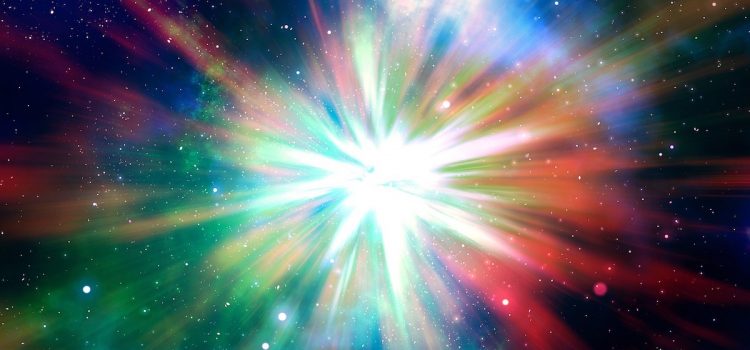
What does the Big Bang theory suggest? How could understanding it better help us unlock one of science’s greatest mysteries? In his book Astrophysics for People in a Hurry, Neil deGrasse Tyson explains the Big Bang theory in terms that anyone can understand. He discusses what the theory tells us and what it might help us understand in the future. Read more for the thoughts of Neil deGrasse Tyson on the Big Bang theory.