The Natural Resource Curse: A Poverty Paradox

The Natural Resource Curse: A Poverty Paradox

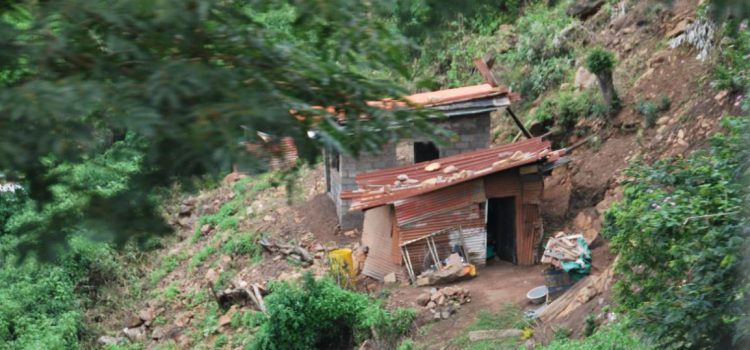
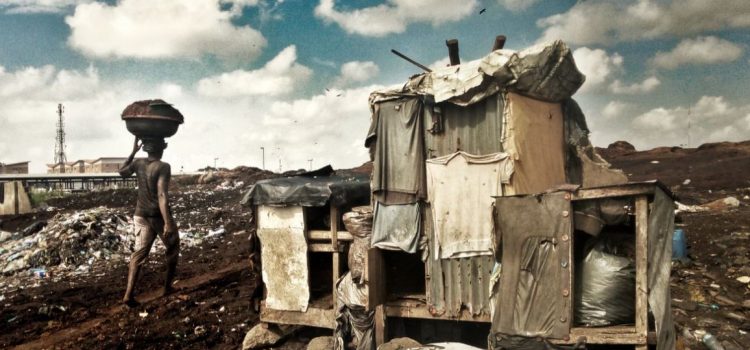
How can relying on the sale of natural resources harm a country? Shouldn’t having an abundance of natural resources make an economy thrive? The natural resource curse is a paradox because countries that rely on selling expensive natural resources tend to have poorer economies. It’s often the governments that thrive off these resources—to the detriment of their people. Here’s everything you need to know about the natural resource curse.

The 2 Disadvantages of Landlocked Countries

The 2 Disadvantages of Landlocked Countries

Why are landlocked countries automatically at a disadvantage? Is there a way to overcome these disadvantages? Landlocked countries (countries surrounded by land on all sides) are at an automatic disadvantage. They lack access to waterways, and they’re at the mercy of the countries around them—good or bad. Luckily, there are a few things these countries can do to improve their situation. Continue reading to learn more about the disadvantages of landlocked countries.

Does Foreign Aid Work? An Economist’s View

Does Foreign Aid Work? An Economist’s View

Does foreign aid work, or does it make situations worse? How can foreign aid be tailored to each country’s unique situation? British economist Paul Collier, the author of The Bottom Billion, argues that foreign aid can be helpful if it’s tailored to each country rather than applied in a one-size-fits-all manner. Here’s how countries can change their approach and make foreign aid work.

Military Interventions: Are They Harmful or Helpful?

Military Interventions: Are They Harmful or Helpful?

Does humanitarian military intervention actually work? Should the West be intervening in foreign military affairs? Military aid is a dicey topic. Some believe it works, while others are strictly against it. Economist Paul Collier, the author of The Bottom Billion, believes that it’s necessary for restoring order, keeping the peace, and protecting against coups. Here’s why Collier thinks military intervention is crucial in helping developing nations grow.

How to Help Poor Countries: Impose Ethical Laws

How to Help Poor Countries: Impose Ethical Laws

Do you want to know how to help poor countries? How can laws and charters improve the lives of the bottom billion? Paul Collier, a British economist, believes that one of the most cost-effective ways to help the poorest countries is to change their laws. It sounds harsh, but by creating a more ethical system, the economy can start to grow. Here’s Collier’s method for helping the bottom billion.

The Bottom Billion by Paul Collier: A Brief Overview

The Bottom Billion by Paul Collier: A Brief Overview

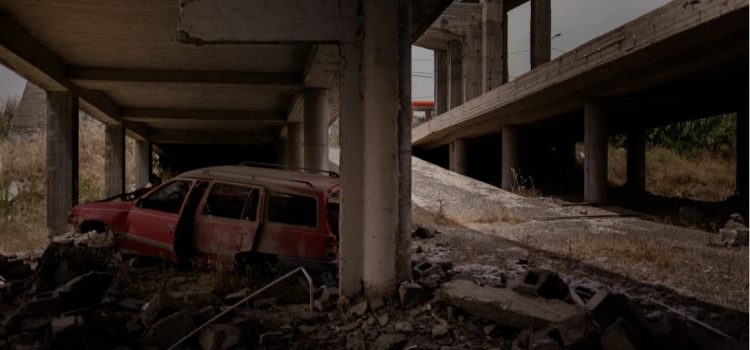
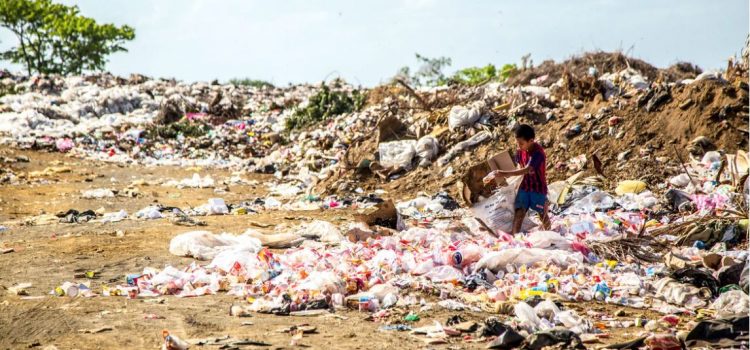
What’s The Bottom Billion by Paul Collier about? Why does Collier believe that his messages in this book are urgent and time-sensitive? The Bottom Billion is Paul Collier’s book about the world’s poorest nations and how they’re stuck in “poverty traps” that prevent them from growing. Collier says that, the longer the West takes to help these countries, the harder it will be for them to overcome their struggles. Here’s a brief overview of the book.

The 4 Poverty Remedies From The Bottom Billion

The 4 Poverty Remedies From The Bottom Billion

What poverty remedies can the West provide to developing nations? What mistakes do Western countries often make when trying to provide aid? In his book The Bottom Billion, economist Paul Collier proposes four ways the West can assist poor nations. His suggestions are foreign aid, military intervention, laws and charters, and trade policies. Let’s look at each one of Collier’s poverty remedies in detail.

The National Cancer Act: What Did It Do?

The National Cancer Act: What Did It Do?

When was the National Cancer Act signed into law? How far have we since come in our understanding of cancer pathology? In 1971, President Nixon signed the National Cancer Act, committing a total of $1.5 billion to cancer research over three years. However, the Act hardly helped us get any closer to curing cancer because it prioritized drug trials rather than developing our understanding of the biology underlying the disease. Keep reading to learn about the National Cancer Act.

Jim Crow: The Meaning Behind It & Modern Segregation

Jim Crow: The Meaning Behind It & Modern Segregation

What is the meaning of Jim Crow? How is it affiliated with racial segregation in America? Jim Crow means a collection of segregation laws that were active around the post-Civil War era (the 1860s-70s) until 1968. Even after the efforts to abolish slavery and give Black people more power after the Civil War, the Jim Crow laws were formed to prevent Black people from having equal rights. Jim Crow laws don’t exist today, but their fundamental meaning is still a part of the systematic racism seen in contemporary America. Continue reading to learn more about the meaning of Jim Crow