Habit Formation in Psychology: The Characteristics of Habits

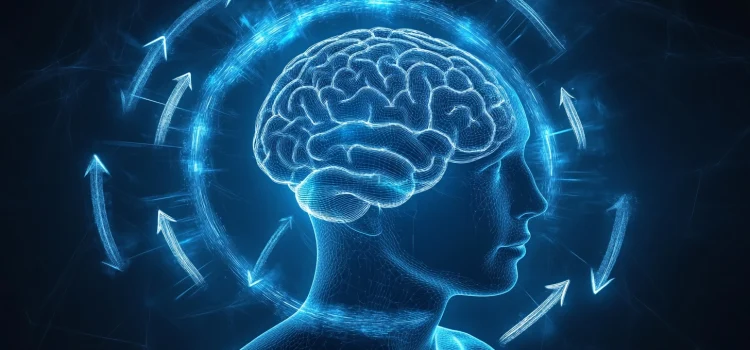
A diagram of a human brain with arrows in a circular motion around it, showing habit formation in psychology

What are the characteristics of habits? How can you form good habits? You may not realize it, but approximately 95% of your thoughts, feelings, and behaviors stem from habits. Therefore, understanding how to form positive habits is an important part of building a successful life.  Here’s our brief overview of habit formation in psychology to help you learn how to break bad habits and embrace good ones.

Why Extroverts Tend to Have More “Lucky Moments”

A woman jumping for joy in a city because she's having a lucky moment

Why do extroverts have more lucky moments than introverts? Why should you relax into luck? Because extroverts tend to put themselves in more new situations than introverts, they’re more likely to encounter “lucky” moments. Rather than being a form of magic, luck often comes from putting yourself into situations where positive outcomes are more likely to happen. Here’s a deeper look into extroverts and luck from the book The Luck Factor.

How Change Your Luck by Reframing It (The Luck Factor)

A woman in a red leather jacket holding up an empty picture frame, showing how you can reframe your luck

Is it possible to change your luck? Is there such a thing as good luck and bad luck? What can you learn from bad luck? In his book The Luck Factor, Richard Wiseman says that there’s no such thing as good or bad luck—it’s all in the way that you frame a situation. Lucky people see “bad luck” as a learning opportunity rather than a setback. Here’s how you can change your perspective on luck.

The Creative Act: Book Overview & Exercises (Rick Rubin)

A man on a couch reading a book with a guitar on the couch next to him.

Do you want to learn how to tap into your natural creative instincts? How can you live your life with sustained originality and imagination? The Creative Act, a book by music producer Rick Rubin, argues that every person is an artist, explaining that creativity isn’t about what you make, but a way of being in the world. The Creative Act isn’t just for artists or musicians—it’s a guide for anyone looking to live a rich and creative life.  Continue reading for an overview of this inspiring book.

How to Be Lucky: 3 Techniques From a Psychologist

A black and white image of a woman crossing the finders on both hands because she's trying to be lucky

Is it possible to learn how to be lucky? What can you do to turn around bad luck? According to psychologist Richard Wiseman, it’s possible to manipulate luck in your favor. He shares that if you brighten your outlook, broaden your horizons, and learn to turn your luck around then better luck is more likely to find you. Here are Wiseman’s tips on how to become lucky, from his book The Luck Factor.

Rest Is Resistance: Book Overview & Takeaways (Tricia Hersey)

A woman wearing glasses and blue jeans reading a book while lying in a hammock in the summertime with trees in the background

Is rest truly a form of resistance? Can taking a break actually lead to social change? Rest Is Resistance, a book by Tricia Hersey (the “Nap Bishop”), challenges our society’s obsession with productivity. The book offers both inspiration and practical advice for reclaiming our lives from exhaustion and burnout. Keep reading for an overview of the book and to discover how rest can be a radical act of self-care and societal transformation.

The Live-to-Work Mentality: 3 Myths of Grind Culture

Coworkers with a live-to-work mentality working at computers in an open workspace in the evening

Is your work-life balance out of whack? Have you forgotten how to truly rest and enjoy leisure time? The live-to-work mentality has become deeply ingrained in our society, warping our relationship with rest and leisure. Many people find themselves unable to stop working, either because they’ve forgotten how to relax or believe they don’t deserve a break. Keep reading to explore three myths behind this toxic belief system that Tricia Hersey identifies in her book Rest Is Resistance.