How to Let Go of Your Ego and Break Through to Solutions

Smiling man and woman talking, illustrating how to let go of your ego and communicate effectively with each other

Are your feelings easily hurt? Are you more focused on protecting yourself than solving bigger problems? When people come at us, it’s easy to react in ways that end up making the confrontation worse. Our ego is often to blame. Law enforcement trainer and English professor George Thompson says that Verbal Judo offers a way out of this mindset. Continue reading to learn how to let go of your ego and move forward in a positive direction.

How to Improve Active Listening: 3 Tips From Verbal Judo

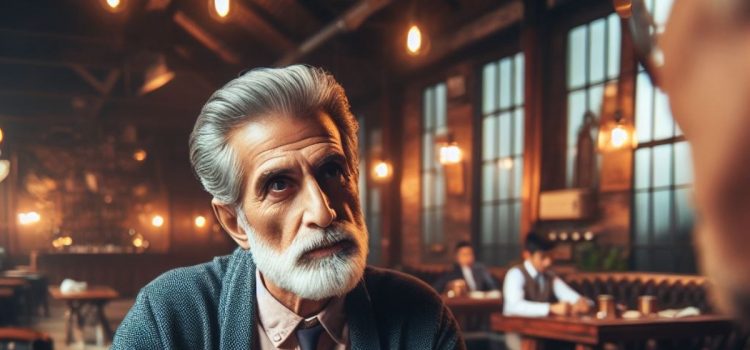
A white-haired bearded man sitting in a restaurant and listening to someone talk illustrates how to improve active listening

Do you listen more than you talk? What’s your primary goal when you communicate? What can you learn about listening from an octopus? It probably comes as no surprise that listening well is important. Active listening is a specific skill that’s invaluable in all aspects of life, and it’s part of the practice of Verbal Judo—a set of techniques that help you handle any tense situation calmly.  Read more for George Thompson’s threefold advice on how to improve active listening and communicate more effectively as a result.

How to Analyze a Situation: 4 Tips to Navigate a Tense Moment

A thoughtful young professional woman in a cityscape knows how to analyze a situation

How can you keep your judgment from getting clouded during a high-stress situation? What must you understand before you can resolve the issue? George Thompson developed Verbal Judo to help people handle tense situations at work, home, and elsewhere. Not only do you need to understand the personalities involved, you must fully and accurately ascertain the scenario you’re dealing with. Keep reading to learn how to analyze a situation using Verbal Judo principles and techniques.

How to Read Other People & Get Them to Cooperate

A man who knows how to read other people is having a serious conversation with another man in an office

How well do you recognize other people’s personality types, motives, and intentions? If you were armed with that knowledge, what difference would it make? A judo practitioner responds to a physical attack with an awareness of their opponent’s intentions. In the same way, you can respond to a verbal confrontation by reading the other person and figuring out who they are and what they need from the encounter. Read on for practical advice on how to read other people, according to Verbal Judo by George Thompson.

5 Verbal De-Escalation Strategies From George Thompson

A man practices verbal de-escalation strategies in a workspace with two employees who are upset with each other

How do you get out of a tense situation? What are some ways to resolve issues rather than make them worse? Law enforcement trainer George Thompson argues that, in a high-pressure situation, it’s most effective to act as if you’re practicing judo. In other words, use the other person’s energy to gently move them in the direction you want them to go. Keep reading to learn Thompson’s verbal de-escalation strategies to handle conflicts in your day-to-day life.

How to Stop Being Condescending: 5 Steps to Polite Persuasion

A woman pointing at another woman when she's talking to her illustrates how to stop being condescending in communication

Do people respond negatively when you ask them to do something? Could it be because you’ve made them feel like you’re looking down on them? Perhaps you’re a parent trying to get your teenager to respect curfew, or you’re a manager pressing your employees to meet a deadline. George Thompson offers some tips on how to get people to cooperate without making them feel small. Keep reading for Thompson’s advice on how to stop being condescending when you’re communicating with others.

What Is Verbal Judo? Communication Inspired by a Martial Art

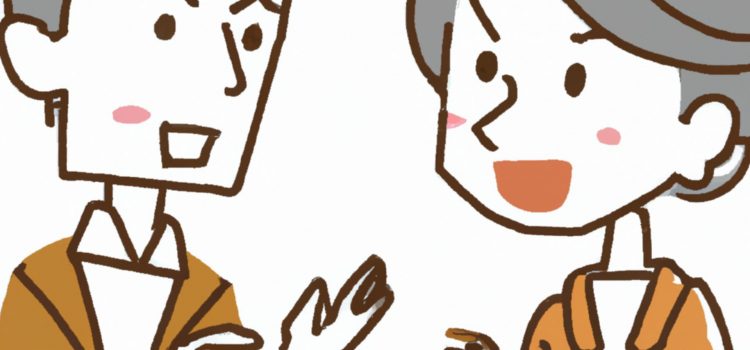
Cartoon drawing of a man and woman engaged in a conversation, illustrating what Verbal Judo is

What is Verbal Judo? Why should you practice it? George Thompson contends that, by using a form of “tactical communication” inspired by the Japanese martial art of judo, you can resolve stressful confrontations without losing your cool. Verbal Judo involves directing the other person’s energy toward a solution that makes everyone feel understood. Read more to learn what Verbal Judo is and how it can improve your communication and relationships.

A Kind of Revolution: Howard Zinn on the War for Independence

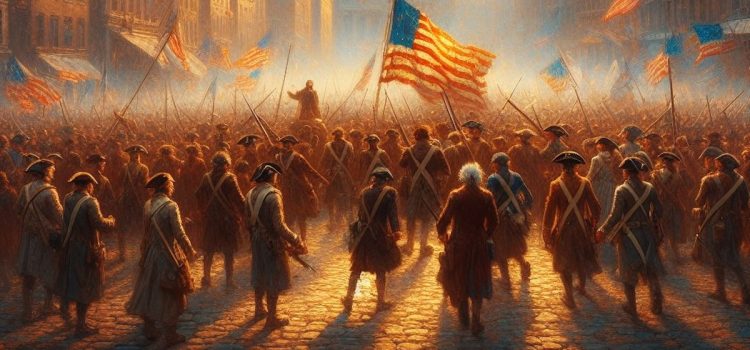
soldiers and flags in a city street during the American Revolution ("A Kind of Revolution") or the War for Independence

What economic issues did American elites face in the years leading up to the American Revolution, and how did the war allow them to address these problems? How did poor whites, slaves, and American Indians respond to the war? Howard Zinn titled Chapter 5 of A People’s History of the United States “A Kind of Revolution.” He characterizes America’s war for independence as a conflict between British and American elites rather than an uprising of the masses. Continue reading to get Zinn’s take on the American Revolutionary War and the formation of the United States.

A History of Slaves in America: Persons of Mean and Vile Condition

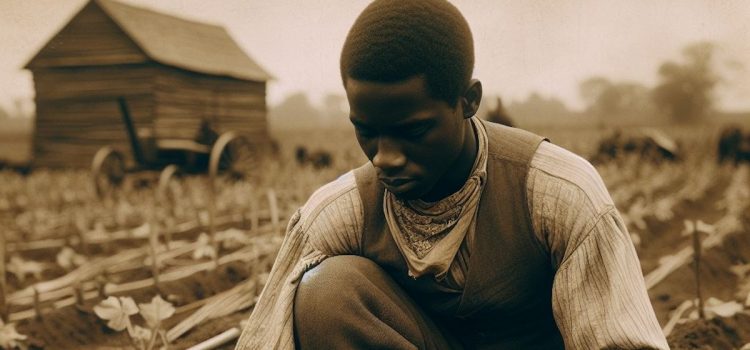
A Black male slave working in a field on a farm in nineteenth-century US, representing the history of slaves in America

Why did American colonial elites fear slaves? What role did slaves play in the Revolutionary War and Civil War? In A People’s History of the United States, Howard Zinn includes a history of slaves in America. He explores their experience during colonial times, the Revolutionary War, and the Civil War. He also takes a look at freed slaves during the Reconstruction era. Keep reading to learn about life for these so-called “persons of mean and vile condition.”

Drawing the Color Line: Howard Zinn on Colonial American Classes

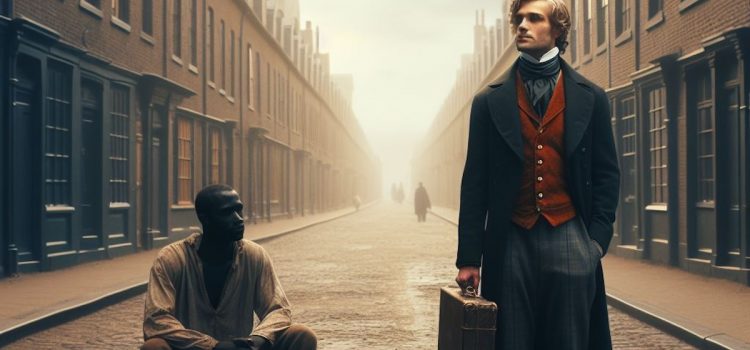
a poor enslaved black man looking up at a wealthy white man in Colonial America (Harold Zinn's "Drawing the Color Line")

In what ways did enslaved Africans resist oppression within the American colonial system? How did the exploitation of poor whites serve the interests of the colonial elites? The class system in colonial America was hierarchical, with wealthy elites exploiting enslaved Africans, poor whites, and women. Despite facing challenges, these groups resisted oppression and fought for equality within the colonial society. Read more to learn about “drawing the color line” in colonial America, according to Howard Zinn in A People’s History of the United States.