100 Best Economics Books of All Time

We've ranked the best economics books using expert recommendations, sales data, and millions of reader ratings. At Shortform, we know books. Our book guides are the best in the world. Learn why.

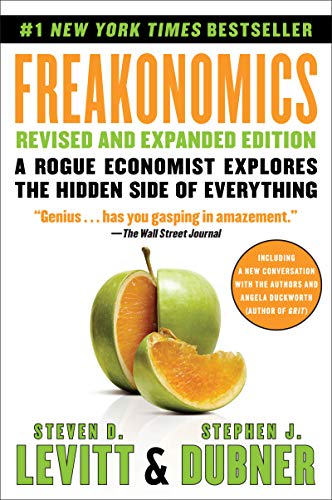
Freakonomics: A Rogue Economist Explores the Hidden Side of Everything book cover1

Freakonomics: A Rogue Economist Explores the Hidden Side of Everything

Steven D. Levitt

5.0
Which is more dangerous, a gun or a swimming pool? What do schoolteachers and sumo wrestlers have in common? Why do drug dealers still live with their moms? How much do parents really matter? What kind of impact did Roe v. Wade have on violent crime? Freakonomics will literally redefine the way we view the modern world.

These may not sound like typical questions for an economist to ask. But Steven
Thinking, Fast and Slow book cover2

Thinking, Fast and Slow

Kahneman

4.9
Major New York Times bestseller
Winner of the National Academy of Sciences Best Book Award in 2012
Selected by the New York Times Book Review as one of the best books of 2011
A Globe and Mail Best Books of the Year 2011 Title
One of The Economist's 2011 Books of the Year
One of The Wall Street Journal's Best Nonfiction Books of the Year 2011
2013 Presidential Medal of Freedom Recipient

In the internatio
The Big Short: Inside the Doomsday Machine book cover3

The Big Short: Inside the Doomsday Machine

Michael Lewis

4.7
The real story of the crash began in bizarre feeder markets where the sun doesn't shine and the SEC doesn't dare, or bother, to tread: the bond and real estate derivative markets where geeks invent impenetrable securities to profit from the misery of lower- and middle-class Americans who can't pay their debts. The smart people who understood what was or might be happening were paralyzed by hope an
Nudge: Improving Decisions About Health, Wealth, and Happiness book cover4

Nudge: Improving Decisions About Health, Wealth, and Happiness

Richard H. Thaler

4.7
Every day, we make decisions on topics ranging from personal investments to schools for our children to the meals we eat to the causes we champion. Unfortunately, we often choose poorly. The reason, the authors explain, is that, being human, we all are susceptible to various biases that can lead us to blunder. Our mistakes make us poorer and less healthy; we often make bad decisions involving educ
Capital in the Twenty-First Century book cover5

Capital in the Twenty-First Century

Thomas Piketty

4.6
What are the grand dynamics that drive the accumulation and distribution of capital? Questions about the long-term evolution of inequality, the concentration of wealth, and the prospects for economic growth lie at the heart of political economy. But satisfactory answers have been hard to find for lack of adequate data and clear guiding theories. In Capital in the Twenty-First Century, Thomas Piket
The Black Swan: The Impact of the Highly Improbable book cover6

The Black Swan: The Impact of the Highly Improbable

Nassim Nicholas Taleb

4.6
A black swan is a highly improbable event with three principal characteristics: It is unpredictable; it carries a massive impact; and, after the fact, we concoct an explanation that makes it appear less random, and more predictable, than it was.

The astonishing success of Google was a black swan; so was 9/11. For Nassim Nicholas Taleb, black swans underlie almost everything about our world, from t
Economics in One Lesson book cover7

Economics in One Lesson

Henry Hazlitt

4.6
Here is a publishing event: the new Mises Institute edition of the classic book that has taught many millions sound economic thinking. It is a hardbound volume, priced very low thanks to special benefactors, and now available in quantity discounts for distribution to your friends, family, and anyone you meet who needs to understand what economics implies for the society, government, and civilizati
Why Nations Fail: The Origins of Power, Prosperity, and Poverty book cover8

Why Nations Fail: The Origins of Power, Prosperity, and Poverty

Daron Acemoglu

4.6
Brilliant and engagingly written, Why Nations Fail answers the question that has stumped the experts for centuries: Why are some nations rich and others poor, divided by wealth and poverty, health and sickness, food and famine?

Is it culture, the weather, geography? Perhaps ignorance of what the right policies are?

Simply, no. None of these factors is either definitive or destiny. Otherwise, how t
The Wealth of Nations book cover9

The Wealth of Nations

Adam Smith

4.5
In his book, Smith fervently extolled the simple yet enlightened notion that individuals are fully capable of setting and regulating prices for their own goods and services. He argued passionately in favor of free trade, yet stood up for the little guy. The Wealth of Nations provided the first--and still the most eloquent--integrated description of the workings of a market economy.
Basic Economics: A Common Sense Guide to the Economy book cover10

Basic Economics: A Common Sense Guide to the Economy

Thomas Sowell

4.5
Basic Economicsis a citizen's guide to economics, written for those who want to understand how the economy works but have no interest in jargon or equations. Bestselling economist Thomas Sowell explains the general principles underlying different economic systems: capitalist, socialist, feudal, and so on. In readable language, he shows how to critique economic policies in terms of the incentives t
The Tipping Point: How Little Things Can Make a Big Difference book cover11

The Tipping Point: How Little Things Can Make a Big Difference

Malcolm Gladwell

4.5
An alternate cover edition exists here.

The tipping point is that magic moment when an idea, trend, or social behavior crosses a threshold, tips, and spreads like wildfire. Just as a single sick person can start an epidemic of the flu, so too can a small but precisely targeted push cause a fashion trend, the popularity of a new product, or a drop in the crime rate. This widely acclaimed bestseller,
The Intelligent Investor: The Classic Text on Value Investing book cover12

The Intelligent Investor: The Classic Text on Value Investing

Benjamin Graham

4.5
The greatest investment advisor of the twentieth century, Benjamin Graham taught and inspired people worldwide. Graham's philosophy of "value investing" -- which shields investors from substantial error and teaches them to develop long-term strategies -- has made The Intelligent Investor the stock market bible ever since its original publication in 1949.
Predictably Irrational: The Hidden Forces That Shape Our Decisions book cover13

Predictably Irrational: The Hidden Forces That Shape Our Decisions

Dan Ariely

4.5
Why do our headaches persist after taking a one-cent aspirin but disappear when we take a 50-cent aspirin?

Why does recalling the Ten Commandments reduce our tendency to lie, even when we couldn't possibly be caught?

Why do we splurge on a lavish meal but cut coupons to save twenty-five cents on a can of soup?

Why do we go back for second helpings at the unlimited buffet, even when our stomachs are a
SuperFreakonomics: Global Cooling, Patriotic Prostitutes And Why Suicide Bombers Should Buy Life Insurance book cover14

SuperFreakonomics: Global Cooling, Patriotic Prostitutes And Why Suicide Bombers Should Buy Life Insurance

Steven D. Levitt

4.5
The New York Times best-selling Freakonomics was a worldwide sensation, selling over four million copies in thirty-five languages and changing the way we look at the world. Now, Steven D. Levitt and Stephen J. Dubner return with SuperFreakonomics, and fans and newcomers alike will find that the freakquel is even bolder, funnier, and more surprising than the first.

Four years in the making, SuperFre
Factfulness: Ten Reasons We're Wrong About the World – and Why Things Are Better Than You Think book cover15

Factfulness: Ten Reasons We're Wrong About the World – and Why Things Are Better Than You Think

Hans Rosling

4.5
Factfulness: The stress-reducing habit of only carrying opinions for which you have strong supporting facts.

When asked simple questions about global trends—what percentage of the world’s population live in poverty; why the world’s population is increasing; how many girls finish school—we systematically get the answers wrong. So wrong that a chimpanzee choosing answers at random will consistently o
The Shock Doctrine: The Rise of Disaster Capitalism book cover16

The Shock Doctrine: The Rise of Disaster Capitalism

Naomi Klein

4.5
In her ground-breaking reporting from Iraq, Naomi Klein exposed how the trauma of invasion was being exploited to remake the country in the interest of foreign corporations. She called it "disaster capitalism." Covering Sri Lanka in the wake of the tsunami, and New Orleans post-Katrina, she witnessed something remarkably similar. People still reeling from catastrophe were being hit again, this tim
Outliers: The Story of Success book cover17

Outliers: The Story of Success

Malcolm Gladwell

4.4
In this stunning new book, Malcolm Gladwell takes us on an intellectual journey through the world of "outliers"--the best and the brightest, the most famous and the most successful. He asks the question: what makes high-achievers different?

His answer is that we pay too much attention to what successful people are like, and too little attention to where they are from: that is, their culture, their
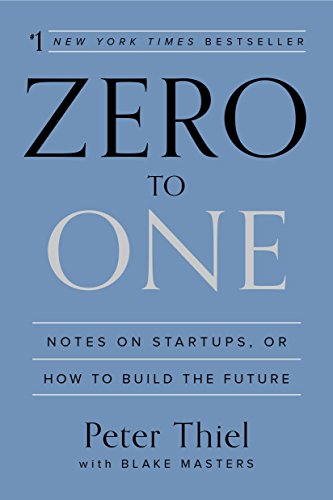
Zero to One: Notes on Startups, or How to Build the Future book cover18

Zero to One: Notes on Startups, or How to Build the Future

Peter Thiel

4.4
If you want to build a better future, you must believe in secrets.

The great secret of our time is that there are still uncharted frontiers to explore and new inventions to create. In Zero to One, legendary entrepreneur and investor Peter Thiel shows how we can find singular ways to create those new things.

Thiel begins with the contrarian premise that we live in an age of technological stagnation,
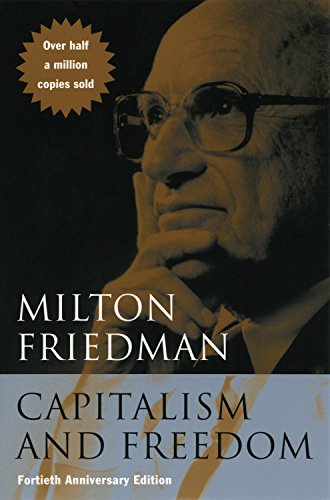
Capitalism and Freedom book cover19

Capitalism and Freedom

Milton Friedman

4.4
Selected by the Times Literary Supplement as one of the "hundred most influential books since the war"

How can we benefit from the promise of government while avoiding the threat it poses to individual freedom? In this classic book, Milton Friedman provides the definitive statement of his immensely influential economic philosophy—one in which competitive capitalism serves as both a device for achie
The Road to Serfdom: Text and Documents--The Definitive Edition book cover20

The Road to Serfdom: Text and Documents--The Definitive Edition

F. A. Hayek

4.4
An unimpeachable classic work in political philosophy, intellectual and cultural history, and economics, The Road to Serfdom has inspired and infuriated politicians, scholars, and general readers for half a century. Originally published in 1944—when Eleanor Roosevelt supported the efforts of Stalin, and Albert Einstein subscribed lock, stock, and barrel to the socialist program—The Road to Serfdom
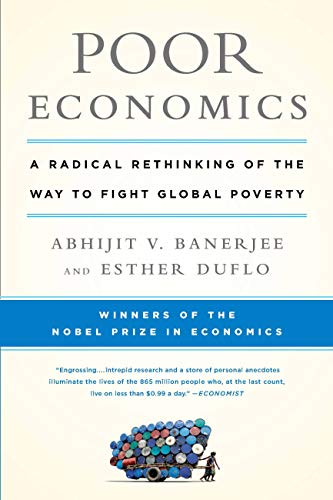
Poor Economics: A Radical Rethinking of the Way to Fight Global Poverty book cover21

Poor Economics: A Radical Rethinking of the Way to Fight Global Poverty

Abhijit Banerjee

4.4
Winner of the 2011 Financial Times/Goldman Sachs Best Business Book of the Year Award

Billions of government dollars, and thousands of charitable organizations and NGOs, are dedicated to helping the world's poor. But much of their work is based on assumptions that are untested generalizations at best, harmful misperceptions at worst.

Abhijit Banerjee and Esther Duflo have pioneered the use of random
Moneyball: The Art of Winning an Unfair Game book cover22

Moneyball: The Art of Winning an Unfair Game

Michael Lewis

4.3
Moneyball is a quest for something as elusive as the Holy Grail, something that money apparently can't buy: the secret of success in baseball. The logical places to look would be the front offices of major league teams and the dugouts, perhaps even in the minds of the players themselves. Michael Lewis mines all these possibilities - his intimate and original portraits of big league ballplayers are
The Ascent of Money: A Financial History of the World book cover23

The Ascent of Money: A Financial History of the World

Niall Ferguson

4.3
Niall Ferguson follows the money to tell the human story behind the evolution of finance, from its origins in ancient Mesopotamia to the latest upheavals on what he calls Planet Finance. Bread, cash, dosh, dough, loot, lucre, moolah, readies, the wherewithal: Call it what you like, it matters. To Christians, love of it is the root of all evil. To generals, it’s the sinews of war. To revolutionarie
Naked Economics: Undressing the Dismal Science book cover24

Naked Economics: Undressing the Dismal Science

Charles Wheelan

4.3
At last! A new edition of the economics book that won’t put you to sleep. In fact, you won’t be able to put this bestseller down. In our challenging economic climate, this perennial favorite of students and general readers is more than a good read, it’s a necessary investment—with a blessedly sure rate of return. This revised and updated edition includes commentary on hot topics such as automation
Free to Choose: A Personal Statement book cover25

Free to Choose: A Personal Statement

Milton Friedman, Rose Friedman

4.3
The international bestseller on the extent to which personal freedom has been eroded by government regulations and agencies while personal prosperity has been undermined by government spending and economic controls. New Foreword by the Authors; Index.
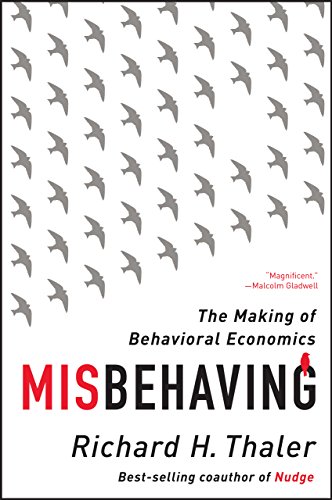
Misbehaving: The Making of Behavioral Economics book cover26

Misbehaving: The Making of Behavioral Economics

Richard H. Thaler

4.3
Nobel laureate Richard H. Thaler has spent his career studying the radical notion that the central agents in the economy are humans—predictable, error-prone individuals. Misbehaving is his arresting, frequently hilarious account of the struggle to bring an academic discipline back down to earth—and change the way we think about economics, ourselves, and our world.

Traditional economics assumes rati
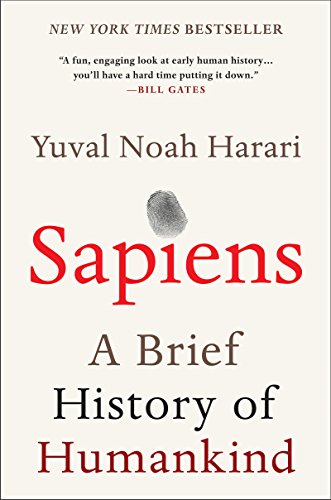
Sapiens: A Brief History of Humankind book cover27

Sapiens: A Brief History of Humankind

Yuval Noah Harari

4.3
100,000 years ago, at least six human species inhabited the earth. Today there is just one. Us. Homo sapiens.

How did our species succeed in the battle for dominance? Why did our foraging ancestors come together to create cities and kingdoms? How did we come to believe in gods, nations and human rights; to trust money, books and laws; and to be enslaved by bureaucracy, timetables and consumerism?
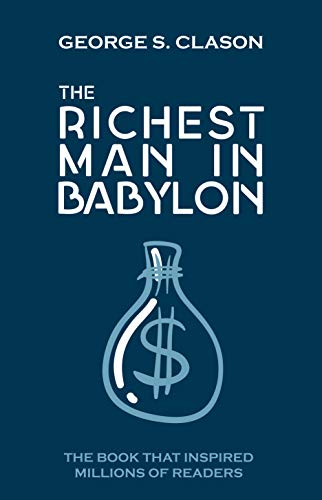
The Richest Man in Babylon book cover28

The Richest Man in Babylon

George S Clason

4.3
This hardcover edition is cleanly formatted for easy reading. 12 point Garamond, 1.25 spacing. The Richest Man in Babylon is a timeless classic, revealing the secrets to making money and keeping it. This inspirational book is hailed as the greatest of books on finances. It unveils the secrets to wealth, providing priceless suggestions, advice, unforgettable parables, financial problem-solving tool
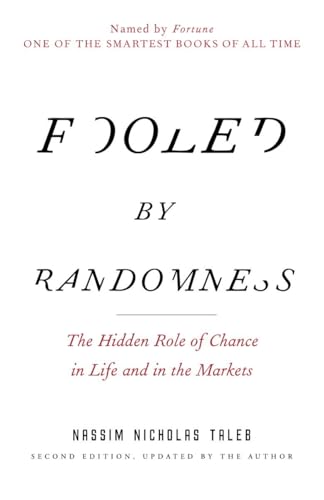
Fooled by Randomness: The Hidden Role of Chance in Life and in the Markets book cover29

Fooled by Randomness: The Hidden Role of Chance in Life and in the Markets

Nassim Nicholas Taleb

4.3
Fooled by Randomness is a standalone book in Nassim Nicholas Taleb’s landmark Incerto series, an investigation of opacity, luck, uncertainty, probability, human error, risk, and decision-making in a world we don’t understand. The other books in the series are The Black Swan, Antifragile, and The Bed of Procrustes.

Now in a striking new hardcover edition, Fooled by Randomness is the word-of-mouth se
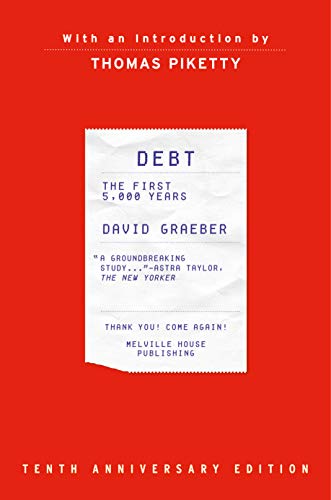
Debt: The First 5,000 Years (Updated and Expanded) book cover30

Debt: The First 5,000 Years (Updated and Expanded)

David Graeber

4.3
Before there was money, there was debt

Every economics textbook says the same thing: Money was invented to replace onerous and complicated barter systems—to relieve ancient people from having to haul their goods to market. The problem with this version of history? There’s not a shred of evidence to support it.

Here anthropologist David Graeber presents a stunning reversal of conventional wisdom. He
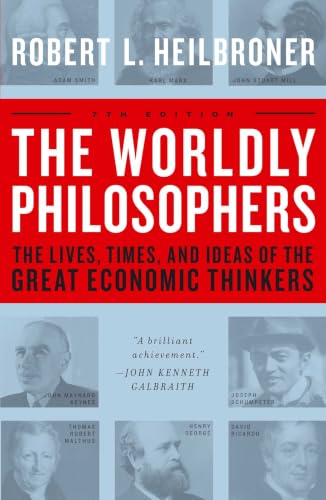
The Worldly Philosophers book cover31

The Worldly Philosophers

Robert L. Heilbroner

4.3
The Worldly Philosophers not only enables us to see more deeply into our history but helps us better understand our own times. In this seventh edition, Robert L. Heilbroner provides a new theme that connects thinkers as diverse as Adam Smith and Karl Marx. The theme is the common focus of their highly varied ideas—namely, the search to understand how a capitalist society works. It is a focus never
Guns, Germs and Steel: The Fates of Human Societies book cover32

Guns, Germs and Steel: The Fates of Human Societies

Jared Diamond

4.3
Explaining what William McNeill called The Rise of the West has become the central problem in the study of global history. In Guns, Germs, and Steel Jared Diamond presents the biologist's answer: geography, demography, and ecological happenstance. Diamond evenhandedly reviews human history on every continent since the Ice Age at a rate that emphasizes only the broadest movements of peoples and ide
Antifragile: Things That Gain from Disorder book cover33

Antifragile: Things That Gain from Disorder

Nassim Nicholas Taleb

4.2
From the bestselling author of The Black Swan and one of the foremost philosophers of our time, Nassim Nicholas Taleb, a book on how some systems actually benefit from disorder.

In The Black Swan Taleb outlined a problem; in Antifragile he offers a definitive solution: how to gain from disorder and chaos while being protected from fragilities and adverse events. For what he calls the "antifragile"
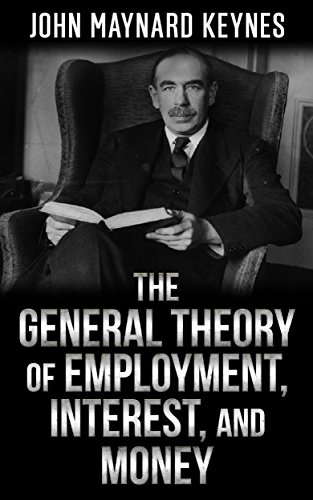
The General Theory of Employment, Interest, and Money book cover34

The General Theory of Employment, Interest, and Money

John Maynard Keynes

4.2
Distinguished British economist John Maynard Keynes (1883-1946) set off a series of movements that drastically altered the ways in which economists view the world. In his most important work, The General Theory of Employment, Interest, and Money (1936), Keynes critiqued the laissez-faire policies of his day, particularly the proposition that a normally functioning market economy would bring full e
Human Action: A Treatise on Economics book cover35

Human Action: A Treatise on Economics

Ludwig von Mises

4.2
In the foreword to Human Action: A Treatise on Economics, Mises explains complex market phenomena as "the outcomes of countless conscious, purposive actions, choices, and preferences of individuals, each of whom was trying as best as he or she could under the circumstances to attain various wants and ends and to avoid undesired consequences." It is individual choices in response to personal subj
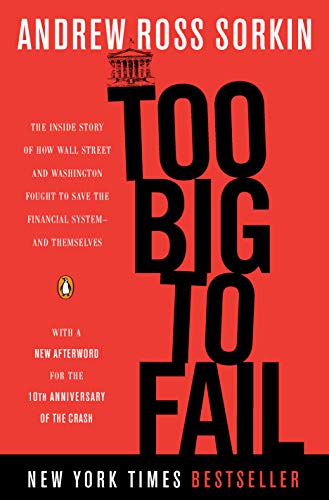
Too Big to Fail: The Inside Story of How Wall Street and Washington Fought to Save the Financial System from Crisis — and Themselves book cover36

Too Big to Fail: The Inside Story of How Wall Street and Washington Fought to Save the Financial System from Crisis — and Themselves

Andrew Ross Sorkin

4.2
Andrew Ross Sorkin delivers the first true behind-the-scenes, moment-by-moment account of how the greatest financial crisis since the Great Depression developed into a global tsunami. From inside the corner office at Lehman Brothers to secret meetings in South Korea, and the corridors of Washington, Too Big to Fail is the definitive story of the most powerful men and women in finance and politics
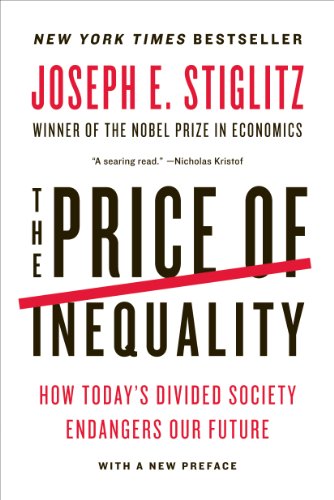
The Price of Inequality: How Today's Divided Society Endangers Our Future book cover37

The Price of Inequality: How Today's Divided Society Endangers Our Future

Joseph E. Stiglitz

4.2
A forceful argument against America's vicious circle of growing inequality by the Nobel Prize–winning economist.

America currently has the most inequality, and the least equality of opportunity, among the advanced countries. While market forces play a role in this stark picture, politics has shaped those market forces. In this best-selling book, Nobel Prize–winning economist Joseph E. Stiglitz expo
Jab, Jab, Jab, Right Hook: How to Tell Your Story in a Noisy Social World book cover38

Jab, Jab, Jab, Right Hook: How to Tell Your Story in a Noisy Social World

Gary Vaynerchuk

4.2
The New York Times bestselling author and social media expert returns with hard-won advice on how to connect with customers and beat the competition by mastering social media marketing

When managers and marketers outline their social media strategies, they often plan for the "right hook"-their next highly anticipated sale or campaign that's going to put the competition out for the count. Even compa
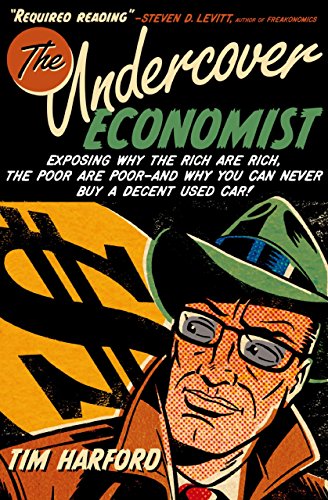
The Undercover Economist book cover39

The Undercover Economist

Tim Harford

4.2
An economist's version of The Way Things Work, this engaging volume is part field guide to economics and part expose of the economic principles lurking behind daily events, explaining everything from traffic jams to high coffee prices.
The Undercover Economist is for anyone who's wondered why the gap between rich and poor nations is so great, or why they can't seem to find a decent second-hand car
The Communist Manifesto book cover40

The Communist Manifesto

Karl Marx and Friedrich Engels

4.2
"A spectre is haunting Europe," Karl Marx and Frederic Engels wrote in 1848, "the spectre of Communism." This new edition of The Communist Manifesto, commemorating the 150th anniversary of its publication, includes an introduction by renowned historian Eric Hobsbawm which reminds us of the document's continued relevance. Marx and Engels's critique of capitalism and its deleterious effect on all as
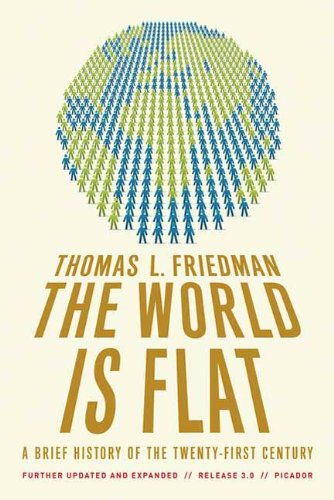
The World Is Flat: A Brief History of the Twenty-first Century book cover41

The World Is Flat: A Brief History of the Twenty-first Century

Thomas L. Friedman

4.2
One mark of a great book is that it makes you see things in a new way, and Mr Friedman certainly succeeds in that goal," the Nobel laureate Joseph E. Stiglitz wrote in the New York Times reviewing The World is Flat in 2005. In this new edition, Thomas L. Friedman includes fresh stories and insights to help us understand the flattening of the world. Weaving new information into his overall thesis,
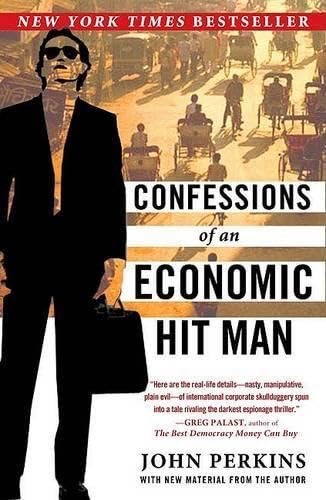
Confessions of an Economic Hit Man book cover42

Confessions of an Economic Hit Man

John Perkins

4.2
Confessions of an Economic Hit Man reveals a game that, according to John Perkins, is "as old as Empire" but has taken on new and terrifying dimensions in an era of globalization. Perkins should know. For many years he worked for an international consulting firm where his main job was to convince LDCs (less developed countries) around the world to accept multibillion-dollar loans for infrastructur
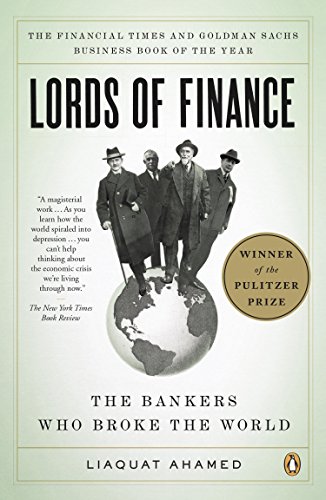
Lords of Finance: The Bankers Who Broke the World book cover43

Lords of Finance: The Bankers Who Broke the World

Liaquat Ahamed

4.2
Winner of the 2010 Pulitzer Prize

"A magisterial work...You can't help thinking about the economic crisis we're living through now." --The New York Times Book Review


It is commonly believed that the Great Depression that began in 1929 resulted from a confluence of events beyond any one person's or government's control. In fact, as Liaquat Ahamed reveals, it was the decisions made by a small number
Economic Facts and Fallacies book cover44

Economic Facts and Fallacies

Sowell

4.2
Thomas Sowell's indispensable examination of the most popular economic fallacies


In Economic Facts and Fallacies, Thomas Sowell exposes some of the most popular fallacies about economic issues in a lively manner that does not require any prior knowledge of economics. These fallacies include many beliefs widely disseminated in the media and by politicians, such as fallacies about urban problems, i
Economics: The User's Guide book cover45

Economics: The User's Guide

Ha-Joon Chang

4.2
In his bestselling 23 Things They Don't Tell You About Capitalism, Cambridge economist Ha-Joon Chang brilliantly debunked many of the predominant myths of neoclassical economics. Now, in an entertaining and accessible primer, he explains how the global economy actually works—in real-world terms. Writing with irreverent wit, a deep knowledge of history, and a disregard for conventional economic pie
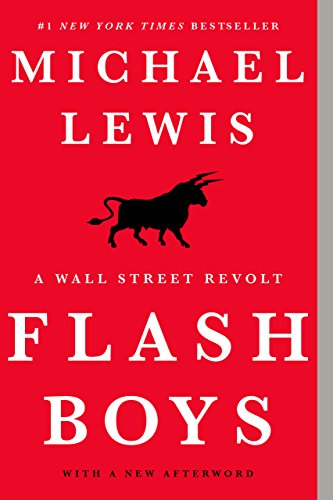
Flash Boys: A Wall Street Revolt book cover46

Flash Boys: A Wall Street Revolt

Michael Lewis

4.2
Four years after his #1 bestseller The Big Short, Michael Lewis returns to Wall Street to report on a high-tech predator stalking the equity markets.

Flash Boys is about a small group of Wall Street guys who figure out that the U.S. stock market has been rigged for the benefit of insiders and that, post–financial crisis, the markets have become not more free but less, and more controlled by the big
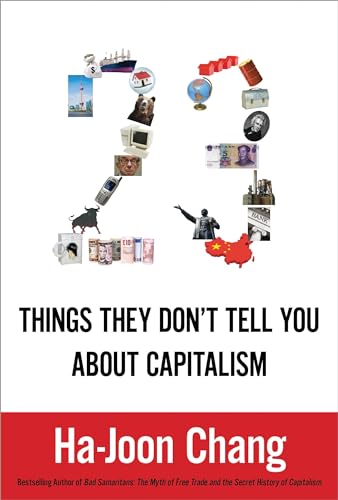
23 Things They Don't Tell You about Capitalism book cover47

23 Things They Don't Tell You about Capitalism

Ha-Joon Chang

4.2


Thing 1: There is no such thing as free market.
Thing 4: The washing machine has changed the world more than the Internet.
Thing 5: Assume the worst about people, and you get the worst.
Thing 13: Making rich people richer doesn't make the rest of us richer.


If you've wondered how we did not see the economic collapse coming, Ha-Joon Chang knows the answer: We didn't ask what they didn't tell us abou

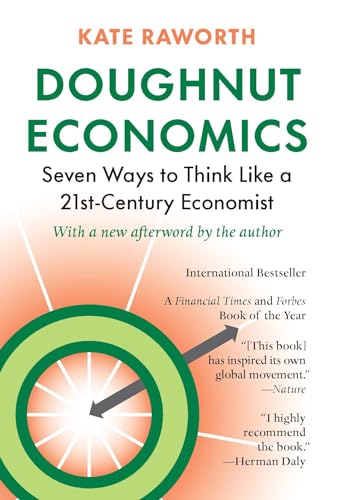
Doughnut Economics: Seven Ways to Think Like a 21st-Century Economist book cover48

Doughnut Economics: Seven Ways to Think Like a 21st-Century Economist

Kate Raworth

4.2
Economics is the mother tongue of public policy. It dominates our decision-making for the future, guides multi-billion-dollar investments, and shapes our responses to climate change, inequality, and other environmental and social challenges that define our times.

Pity then, or more like disaster, that its fundamental ideas are centuries out of date yet are still taught in college courses worldwide
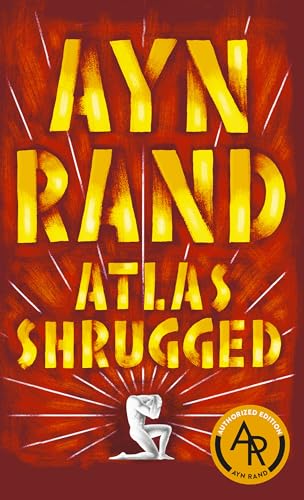
Atlas Shrugged book cover49

Atlas Shrugged

Ayn Rand

4.2
This is the story of a man who said that he would stop the motor of the world and did. Was he a destroyer or the greatest of liberators?

Why did he have to fight his battle, not against his enemies, but against those who needed him most, and his hardest battle against the woman he loved? What is the world’s motor — and the motive power of every man? You will know the answer to these questions when
Bad Samaritans: The Myth of Free Trade and the Secret History of Capitalism book cover50

Bad Samaritans: The Myth of Free Trade and the Secret History of Capitalism

Ha-Joon Chang

4.2
A rising young star in the field of economics attacks the free-trade orthodoxy of The World Is Flat head-on—a crisp, contrarian history of global capitalism.

One economist has called Ha-Joon Chang "the most exciting thinker our profession has turned out in the past fifteen years." With Bad Samaritans, this provocative scholar bursts into the debate on globalization and economic justice. Using irrev
Good Economics for Hard Times book cover51

Good Economics for Hard Times

Abhijit V. Banerjee

4.2
Two prize-winning economists show how economics, when done right, can help us solve the thorniest social and political problems of our day

The experience of the last decade has not been kind to the image of economists: asleep at the wheel (perhaps with the foot on the gas pedal) in the run-up to the great recession, squabbling about how to get out of it, tone-deaf in discussions of the plight of Gr
Blink: The Power of Thinking Without Thinking book cover52

Blink: The Power of Thinking Without Thinking

Malcolm Gladwell

4.1
Drawing on cutting-edge neuroscience and psychology and displaying all of the brilliance that made The Tipping Point a classic, Blink changes the way you'll understand every decision you make. Never again will you think about thinking the same way.

Malcolm Gladwell redefined how we understand the world around us. Now, in Blink, he revolutionizes the way we understand the world within. Blink is a bo
Liar's Poker: Rising Through the Wreckage on Wall Street book cover53

Liar's Poker: Rising Through the Wreckage on Wall Street

Michael Lewis

4.1
In this shrewd and wickedly funny book, Michael Lewis describes an astonishing era and his own rake's progress through a powerful investment bank. From an unlikely beginning (art history at Princeton?) he rose in two short years from Salomon Brothers trainee to Geek (the lowest form of life on the trading floor) to Big Swinging Dick, the most dangerous beast in the jungle, a bond salesman who coul
A Random Walk Down Wall Street: The Time-Tested Strategy for Successful Investing book cover54

A Random Walk Down Wall Street: The Time-Tested Strategy for Successful Investing

Burton G. Malkiel

4.1
Today’s stock market is not for the faint of heart. At a time of frightening volatility, what is the average investor to do?


The answer: turn to Burton G. Malkiel’s advice in his reassuring, authoritative, gimmick-free, and perennially best-selling guide to investing. Long established as the first book to purchase before starting a portfolio or 401(k), A Random Walk Down Wall Street now features ne
The Great Transformation: The Political and Economic Origins of Our Time book cover55

The Great Transformation: The Political and Economic Origins of Our Time

Karl Polanyi

4.1
In this classic work of economic history and social theory, Karl Polanyi analyzes the economic and social changes brought about by the "great transformation" of the Industrial Revolution. His analysis explains not only the deficiencies of the self-regulating market, but the potentially dire social consequences of untempered market capitalism. New introductory material reveals the renewed importanc
Think like a Freak: The Authors of Freakonomics Offer to Retrain Your Brain book cover56

Think like a Freak: The Authors of Freakonomics Offer to Retrain Your Brain

Steven D. Levitt, Stephen J. Dubner

4.1
The New York Times bestselling Freakonomics changed the way we see the world, exposing the hidden side of just about everything. Then came SuperFreakonomics, a documentary film, an award-winning podcast, and more.

Now, with Think Like a Freak, Steven D. Levitt and Stephen J. Dubner have written their most revolutionary book yet. With their trademark blend of captivating storytelling and unconventio
The Wealth and Poverty of Nations: Why Some Are So Rich and Some So Poor book cover57

The Wealth and Poverty of Nations: Why Some Are So Rich and Some So Poor

David S. Landes

4.1
David S. Landes tells the long, fascinating story of wealth and power throughout the world: the creation of wealth, the paths of winners and losers, the rise and fall of nations. He studies history as a process, attempting to understand how the world's cultures lead to - or retard - economic and military success and material achievement. Countries of the West, Landes asserts, prospered early throu
Boomerang: Travels in the New Third World book cover58

Boomerang: Travels in the New Third World

Michael Lewis

4.1
The tsunami of cheap credit that rolled across the planet between 2002 and 2008 was more than a simple financial phenomenon: it was temptation, offering entire societies the chance to reveal aspects of their characters they could not normally afford to indulge.

Icelanders wanted to stop fishing and become investment bankers. The Greeks wanted to turn their country into a piñata stuffed with cash an
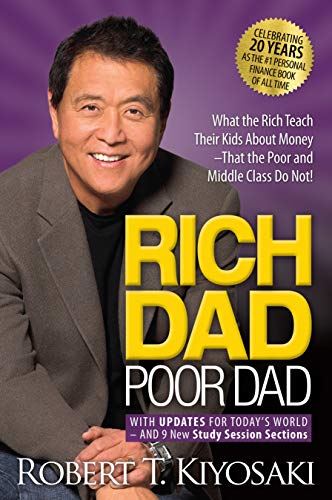
Rich Dad Poor Dad: What The Rich Teach Their Kids About Money - That The Poor And Middle Class Do Not! book cover59

Rich Dad Poor Dad: What The Rich Teach Their Kids About Money - That The Poor And Middle Class Do Not!

Robert T. Kiyosaki

4.1
In Rich Dad Poor Dad, the #1 Personal Finance book of all time, Robert Kiyosaki shares the story of his two dad: his real father, whom he calls his ‘poor dad,’ and the father of his best friend, the man who became his mentor and his ‘rich dad.’ One man was well educated and an employee all his life, the other’s education was “street smarts” over traditional classroom education and he took the path
The Rational Optimist: How Prosperity Evolves book cover60

The Rational Optimist: How Prosperity Evolves

Matt Ridley

4.1
Life is getting better—and at an accelerating rate. Food availability, income, and life span are up; disease, child mortality, and violence are down — all across the globe. Though the world is far from perfect, necessities and luxuries alike are getting cheaper; population growth is slowing; Africa is following Asia out of poverty; the Internet, the mobile phone, and container shipping are enrichi
The Millionaire Next Door: The Surprising Secrets of America's Wealthy book cover61

The Millionaire Next Door: The Surprising Secrets of America's Wealthy

William D. Danko

4.1
-Why aren't I as wealthy as I should be?- Many people ask this question of themselves all the time. Often they are hard-working, well educated middle- to high-income people. Why, then, are so few affluent. For nearly two decades the answer has been found in the bestselling The Millionaire Next Door: The Surprising Secrets of America's Wealthy, reissued with a new foreword for the twenty-first cent
Small Is Beautiful: Economics as if People Mattered book cover62

Small Is Beautiful: Economics as if People Mattered

E. F. Schumacher

4.1
"Nothing less than a full-scale assault on conventional economic wisdom."
Newsweek

One the 100 most influential books published since World War II
The Times Literary Supplement

Hailed as an "eco-bible" by Time magazine, E.F. Schumacher's riveting, richly researched statement on sustainability has become more relevant and vital with each year since its initial groundbreaking publication during the 19
Evicted: Poverty and Profit in the American City book cover63

Evicted: Poverty and Profit in the American City

Matthew Desmond

4.1
In Evicted, Princeton sociologist and MacArthur "Genius" Matthew Desmond follows eight families in Milwaukee as they struggle to keep a roof over their heads. Evicted transforms our understanding of poverty and economic exploitation while providing fresh ideas for solving one of 21st-century America's most devastating problems. Its unforgettable scenes of hope and loss remind us of the centrality
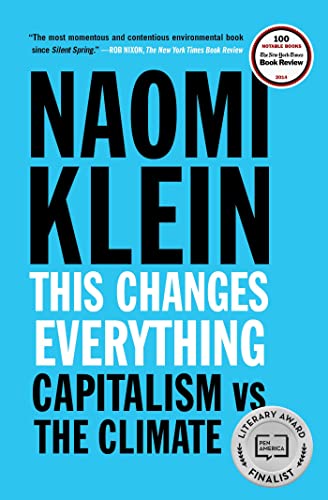
This Changes Everything: Capitalism vs. The Climate book cover64

This Changes Everything: Capitalism vs. The Climate

Naomi Klein

4.1
Forget everything you think you know about global warming. It's not about carbon – it's about capitalism. The good news is that we can seize this crisis to transform our failed economic system and build something radically better.

In her most provocative book yet, Naomi Klein, author of the global bestsellers The Shock Doctrine and No Logo, exposes the myths that are clouding climate debate.

You ha
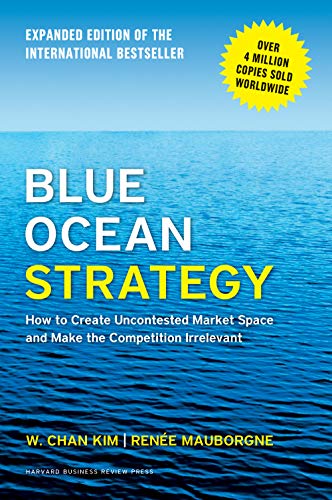
Blue Ocean Strategy: How To Create Uncontested Market Space And Make The Competition Irrelevant book cover65

Blue Ocean Strategy: How To Create Uncontested Market Space And Make The Competition Irrelevant

W. Chan Kim

4.1
Winning by not competing! This international best seller upends traditional thinking with principles and tools to make the competition irrelevant.
In an audiobook that challenges everything you thought you knew, W. Chan Kim and Renee Mauborgne assert that tomorrow's leading companies will succeed, not by battling their rivals for market share in the bloody "red ocean" of a shrinking profit pool, bu
The Law book cover66

The Law

Frederic Bastiat and Tony Darnell

4.1
How is it that the law enforcer itself does not have to keep the law? How is it that the law permits the state to lawfully engage in actions which, if undertaken by individuals, would land them in jail? These are among the most intriguing issues in political and economic philosophy. More specifically, the problem of law that itself violates law is an insurmountable conundrum of all statist philoso
The Rise and Fall of American Growth: The U.S. Standard of Living Since the Civil War book cover67

The Rise and Fall of American Growth: The U.S. Standard of Living Since the Civil War

Robert J. Gordon

4.1
How America's high standard of living came to be and why future growth is under threat

In the century after the Civil War, an economic revolution improved the American standard of living in ways previously unimaginable. Electric lighting, indoor plumbing, motor vehicles, air travel, and television transformed households and workplaces. But has that era of unprecedented growth come to an end? Weavin
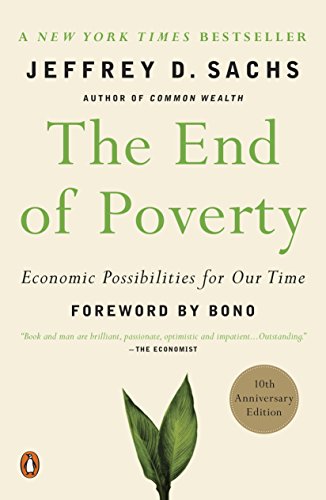
The End of Poverty book cover68

The End of Poverty

Jeffrey Sachs

4.1
The landmark exploration of economic prosperity and how the world can escape from extreme poverty for the world's poorest citizens, from one of the world's most renowned economists

Hailed by Time as one of the world's hundred most influential people, Jeffrey D. Sachs is renowned for his work around the globe advising economies in crisis. Now a classic of its genre, The End of Poverty distills more
Globalization and its Discontents book cover69

Globalization and its Discontents

Joseph E. Stiglitz

4.1
When it was first published, this national bestseller quickly became a touchstone in the globalization debate. Renowned economist and Nobel Prize winner Joseph E. Stiglitz had a ringside seat for most of the major economic events of the last decade, including stints as chairman of the Council of Economic Advisers and chief economist at the World Bank. Particularly concerned with the plight of the
Nickel and Dimed: On (Not) Getting by in America book cover70

Nickel and Dimed: On (Not) Getting by in America

Barbara Ehrenreich

4.1
Barbara Ehrenreich, our sharpest and most original social critic, goes "undercover" in Nickel and Dmined as an unskilled worker to reveal the dark side of American prosperity.

Millions of Americans work full time, year round, for poverty-level wages. In 1998, Barbara Ehrenreich decided to join them. She was inspired in part by the rhetoric surrounding welfare reform, which promised that a job -- an
Utopia for Realists: And How We Can Get There book cover71

Utopia for Realists: And How We Can Get There

Rutger (Translated by Elizabeth Manton) Bregman

4.1
We live in a time of unprecedented upheaval, with questions about the future, society, work, happiness, family and money, and yet no political party of the right or left is providing us with answers. Rutger Bregman, a bestselling Dutch historian, explains that it needn't be this way.

Bregman shows that we can construct a society with visionary ideas that are, in fact, wholly implementable. Every mi
Capital, Vol. 1: A Critical Analysis of Capitalist Production book cover72

Capital, Vol. 1: A Critical Analysis of Capitalist Production

Karl Marx

4.1
Capital, one of Marx's major and most influential works, was the product of thirty years close study of the capitalist mode of production in England, the most advanced industrial society of his day. This new translation of Volume One, the only volume to be completed and edited by Marx himself, avoids some of the mistakes that have marred earlier versions and seeks to do justice to the literary qua
The Return of Depression Economics and the Crisis of 2008 book cover73

The Return of Depression Economics and the Crisis of 2008

Paul Krugman

4.1

In 1999, in The Return of Depression Economics, Paul Krugman surveyed the economic crises that had swept across Asia and Latin America, and pointed out that those crises were a warning for all of us: like diseases that have become resistant to antibiotics, the economic maladies that caused the Great Depression were making a comeback. In the years that followed, as Wall Street boomed and financial

The Mystery of Capital: Why Capitalism Triumphs in the West and Fails Everywhere Else book cover74

The Mystery of Capital: Why Capitalism Triumphs in the West and Fails Everywhere Else

Hernando De Soto

4.1
"The hour of capitalism's greatest triumph," writes Hernando de Soto, "is, in the eyes of four-fifths of humanity, its hour of crisis." In The Mystery of Capital, the world-famous Peruvian economist takes up the question that, more than any other, is central to one of the most crucial problems the world faces today: Why do some countries succeed at capitalism while others fail?In strong opposition
This Time Is Different: Eight Centuries of Financial Folly book cover75

This Time Is Different: Eight Centuries of Financial Folly

Carmen Reinhart

4.1
Throughout history, rich and poor countries alike have been lending, borrowing, crashing--and recovering--their way through an extraordinary range of financial crises. Each time, the experts have chimed, "this time is different"--claiming that the old rules of valuation no longer apply and that the new situation bears little similarity to past disasters. With this breakthrough study, leading econo
Fault Lines: How Hidden Fractures Still Threaten the World Economy book cover76

Fault Lines: How Hidden Fractures Still Threaten the World Economy

Raghuram G. Rajan

4.1
Raghuram Rajan was one of the few economists who warned of the global financial crisis before it hit. Now, as the world struggles to recover, it's tempting to blame what happened on just a few greedy bankers who took irrational risks and left the rest of us to foot the bill. In "Fault Lines," Rajan argues that serious flaws in the economy are also to blame, and warns that a potentially more devast
The Bottom Billion: Why the Poorest Countries Are Failing and What Can Be Done About It book cover77

The Bottom Billion: Why the Poorest Countries Are Failing and What Can Be Done About It

Paul Collier

4.1
In the universally acclaimed and award-winning The Bottom Billion, Paul Collier reveals that fifty failed states--home to the poorest one billion people on Earth--pose the central challenge of the developing world in the twenty-first century. The book shines much-needed light on this group of small nations, largely unnoticed by the industrialized West, that are dropping further and further behind
The Signal and the Noise: Why So Many Predictions Fail - But Some Don't book cover78

The Signal and the Noise: Why So Many Predictions Fail - But Some Don't

Nate Silver

4.1
One of Wall Street Journal's Best Ten Works of Nonfiction in 2012

New York Times Bestseller

"Not so different in spirit from the way public intellectuals like John Kenneth Galbraith once shaped discussions of economic policy and public figures like Walter Cronkite helped sway opinion on the Vietnam War…could turn out to be one of the more momentous books of the decade."
-New York Times Book Review

"Na
How an Economy Grows and Why It Crashes book cover79

How an Economy Grows and Why It Crashes

Peter D. Schiff, Andrew J. Schiff

4.1
How an Economy Grows and Why it Crashes uses illustration, humor, and accessible storytelling to explain complex topics of economic growth and monetary systems. In it, economic expert and bestselling author of Crash Proof, Peter Schiff teams up with his brother Andrew to apply their signature "take no prisoners" logic to expose the glaring fallacies that have become so ingrained in our country’s e
The Undoing Project: A Friendship That Changed Our Minds book cover80

The Undoing Project: A Friendship That Changed Our Minds

Michael Lewis

4.1
Forty years ago, Israeli psychologists Daniel Kahneman and Amos Tversky wrote a series of breathtakingly original papers that invented the field of behavioral economics. One of the greatest partnerships in the history of science, Kahneman and Tversky’s extraordinary friendship incited a revolution in Big Data studies, advanced evidence-based medicine, led to a new approach to government regulation
The Fifth Risk book cover81

The Fifth Risk

Michael Lewis

4.1
What are the consequences if the people given control over our government have no idea how it works?

"The election happened," remembers Elizabeth Sherwood-Randall, then deputy secretary of the Department of Energy. "And then there was radio silence." Across all departments, similar stories were playing out: Trump appointees were few and far between; those that did show up were shockingly uninformed
The Affluent Society book cover82

The Affluent Society

John Kenneth Galbraith

4.0
John Kenneth Galbraith's international bestseller The Affluent Society is a witty, graceful and devastating attack on some of our most cherished economic myths.

As relevant today as when it was first published over forty years ago, this newly updated edition of Galbraith's classic text on the 'economics of abundance', lays bare the hazards of individual and social complacency about economic inequal
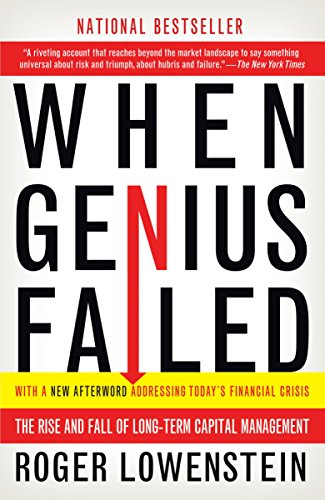
When Genius Failed: The Rise and Fall of Long-Term Capital Management book cover83

When Genius Failed: The Rise and Fall of Long-Term Capital Management

Roger Lowenstein

4.0

With a new Afterword addressing today’s financial crisis

A BUSINESS WEEK BEST BOOK OF THE YEAR

In this business classic—now with a new Afterword in which the author draws parallels to the recent financial crisis—Roger Lowenstein captures the gripping roller-coaster ride of Long-Term Capital Management. Drawing on confidential internal memos and interviews with dozens of key players, Lowenstein expla

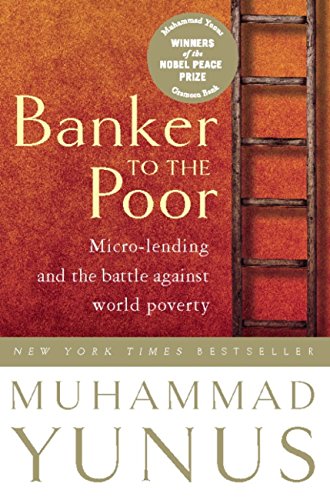
Banker to the Poor: Micro-Lending and the Battle Against World Poverty book cover84

Banker to the Poor: Micro-Lending and the Battle Against World Poverty

Muhammad Yunus

4.0
Muhammad Yunus is that rare thing: a bona fide visionary. His dream is the total eradication of poverty from the world. In 1983, against the advice of banking and government officials, Yunus established Grameen, a bank devoted to providing the poorest of Bangladesh with minuscule loans. Grameen Bank, based on the belief that credit is a basic human right, not the privilege of a fortunate few, now
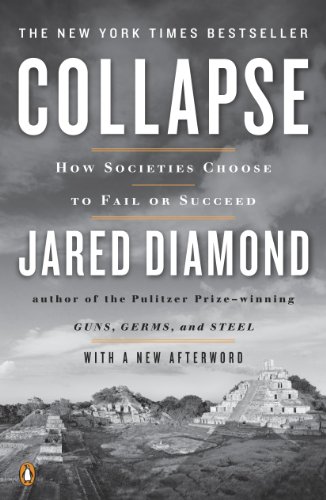
Collapse: How Societies Choose to Fail or Succeed book cover85

Collapse: How Societies Choose to Fail or Succeed

Jared Diamond

4.0
In Jared Diamond’s follow-up to the Pulitzer-Prize winning Guns, Germs and Steel, the author explores how climate change, the population explosion and political discord create the conditions for the collapse of civilization

Environmental damage, climate change, globalization, rapid population growth, and unwise political choices were all factors in the demise of societies around the world, but some
The Science of Getting Rich book cover86

The Science of Getting Rich

Wallace D. Wattles

4.0

As featured in the bestselling book The Secret, here is the landmark guide to wealth creation republished with the classic essay “How to Get What You Want.” Wallace D. Wattles spent a lifetime considering the laws of success as he found them in the work of the world’s great philosophers. He then turned his life effort into this simple, slender book – a volume that he vowed could replace libraries

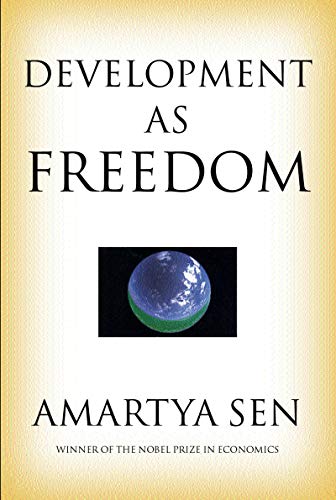
Development as Freedom book cover87

Development as Freedom

Amartya Sen

4.0
By the winner of the 1998 Nobel Prize in Economics, an essential and paradigm-altering framework for understanding economic development—for both rich and poor—in the twenty-first century.

Freedom, Sen argues, is both the end and most efficient means of sustaining economic life and the key to securing the general welfare of the world's entire population. Releasing the idea of individual freedom fro
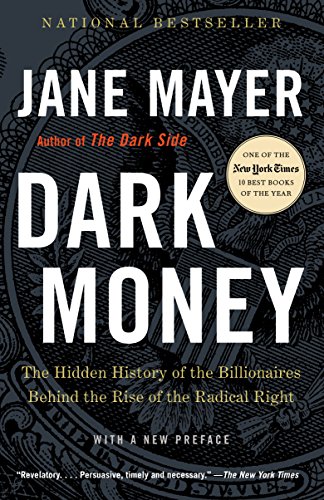
Dark Money: The Hidden History of the Billionaires Behind the Rise of the Radical Right book cover88

Dark Money: The Hidden History of the Billionaires Behind the Rise of the Radical Right

Jane Mayer

4.0
Who are the immensely wealthy right-wing ideologues shaping the fate of America today? From the bestselling author of The Dark Side, an electrifying work of investigative journalism that uncovers the agenda of this powerful group.

In her new preface, Jane Mayer discusses the results of the most recent election and Donald Trump's victory, and how, despite much discussion to the contrary, this was a
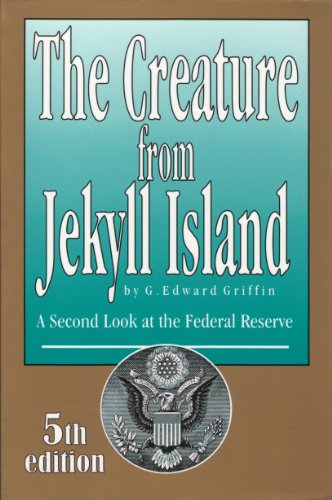
The Creature from Jekyll Island: A Second Look at the Federal Reserve book cover89

The Creature from Jekyll Island: A Second Look at the Federal Reserve

G Edward Griffin

4.0
This classic expose of the Fed has become one of the best-selling books in its category of all time. Where does money come from? Where does it go? Who makes it? The money magician's secrets are unveiled. Here is a close look at their mirrors and smoke machines, the pulleys, cogs, and wheels that create the grand illusion called money. A boring subject? Just wait. You'll be hooked in five minutes.
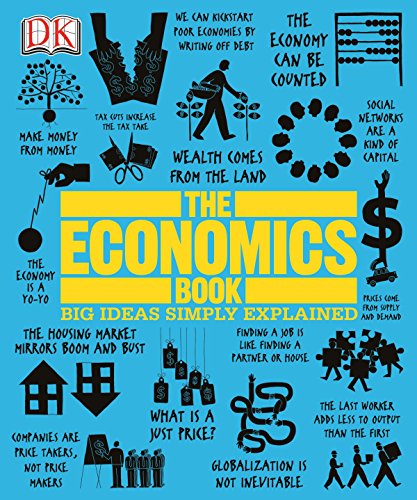
The Economics Book: Big Ideas Simply Explained book cover90

The Economics Book: Big Ideas Simply Explained

DK

4.0
From Aristotle and Thomas Aquinas, to Adam Smith and John Maynard Keynes, to the top economic thought leaders of today, The Economics Book is the essential reference for students and anyone else with an interest in how economies work. Easy-to-follow graphics, succinct quotations, and thoroughly accessible text throw light on the applications of economics, making them relatable through everyday exa
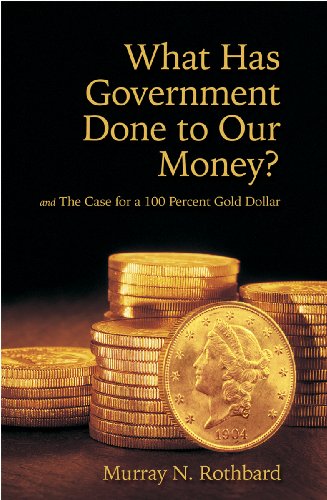
What Has Government Done to Our Money? and The Case for the 100 Percent Gold Dollar book cover91

What Has Government Done to Our Money? and The Case for the 100 Percent Gold Dollar

Murray N. Rothbard, Jörg Guido Hülsmann

4.0
The Mises Institute is pleased to present this very beautiful hardbound edition of Rothbard's most famous monetary essay--the one that has influenced two generations of economists, investors, and business professionals. The Mises Institute has united this book with its natural complement: a detailed reform proposal for a 100 percent gold dollar. The Case for a 100 Percent Gold Dollar was written a
The Great Crash 1929 book cover92

The Great Crash 1929

John Kenneth Galbraith

4.0
Of Galbraith's classic examination of the 1929 financial collapse, the Atlantic Monthly said:"Economic writings are seldom notable for their entertainment value, but this book is. Galbraith's prose has grace and wit, and he distills a good deal of sardonic fun from the whopping errors of the nation's oracles and the wondrous antics of the financial community." Now, with the stock market riding his
No Logo book cover93

No Logo

Naomi Klein

4.0
With a new Afterword to the 2002 edition, No Logo employs journalistic savvy and personal testament to detail the insidious practices and far-reaching effects of corporate marketing—and the powerful potential of a growing activist sect that will surely alter the course of the 21st century. First published before the World Trade Organization protests in Seattle, this is an infuriating, inspiring, a
The Prize: The Epic Quest for Oil, Money, and Power book cover94

The Prize: The Epic Quest for Oil, Money, and Power

Daniel Yergin

4.0
The Prize recounts the panoramic history of oil -- and the struggle for wealth and power that has always surrounded oil. This struggle has shaken the world economy, dictated the outcome of wars, and transformed the destiny of men and nations.

The Prize is as much a history of the twentieth century as of the oil industry itself. The canvas of history is enormous -- from the drilling of the first wel
The War on Normal People: The Truth About America's Disappearing Jobs and Why Universal Basic Income Is Our Future book cover95

The War on Normal People: The Truth About America's Disappearing Jobs and Why Universal Basic Income Is Our Future

Andrew Yang

4.0
From entrepreneur Andrew Yang, the founder of Venture for America, an eye-opening look at how new technologies are erasing millions of jobs before our eyes-and a rallying cry for the urgent steps America must take, including Universal Basic Income, to stabilize our economy.

The shift toward automation is about to create a tsunami of unemployment. Not in the distant future--now. One recent estimate
The Radium Girls: The Dark Story of America's Shining Women book cover96

The Radium Girls: The Dark Story of America's Shining Women

Kate Moore

4.0
The incredible true story of the women who fought America's Undark danger

The Curies' newly discovered element of radium makes gleaming headlines across the nation as the fresh face of beauty, and wonder drug of the medical community. From body lotion to tonic water, the popular new element shines bright in the otherwise dark years of the First World War.

Meanwhile, hundreds of girls toil amidst the
Irrational Exuberance book cover97

Irrational Exuberance

Robert J. Shiller

4.0
As Robert Shiller’s new 2009 preface to his prescient classic on behavioral economics and market volatility asserts, the irrational exuberance of the stock and housing markets “has been ended by an economic crisis of a magnitude not seen since the Great Depression of the 1930s.” As we all, ordinary Americans and professional investors alike, crawl from the wreckage of our heedless bubble economy,
End This Depression Now! book cover98

End This Depression Now!

Paul Krugman

4.0
A call-to-arms from Nobel Prize?winning economist and best-selling author Paul Krugman. The Great Recession is more than four years old, and counting. Yet, as Paul Krugman points out in this powerful volley, "Nations rich in resources, talent, and knowledge, all the ingredients for prosperity and a decent standard of living for all, remain in a state of intense pain." How bad have things gotten? H
Invisible Women: Data Bias in a World Designed for Men book cover99

Invisible Women: Data Bias in a World Designed for Men

Caroline Criado Perez

4.0
Imagine a world where your phone is too big for your hand, where your doctor prescribes a drug that is wrong for your body, where in a car accident you are 47% more likely to be seriously injured, where every week the countless hours of work you do are not recognised or valued. If any of this sounds familiar, chances are that you're a woman.

Invisible Women shows us how, in a world largely built fo
Superforecasting: The Art and Science of Prediction book cover100

Superforecasting: The Art and Science of Prediction

Philip E. Tetlock, Dan Gardner

4.0
A New York Times Bestseller

An Economist Best Book of 2015

"The most important book on decision making since Daniel Kahneman's Thinking, Fast and Slow."
Jason Zweig, The Wall Street Journal

Everyone would benefit from seeing further into the future, whether buying stocks, crafting policy, launching a new product, or simply planning the week’s meals. Unfortunately, people tend to be terrible foreca