Geography and Climate Change: New Trade Routes & New Fears

Geography and Climate Change: New Trade Routes & New Fears

How does global warming impact geopolitics? Why are new trade routes both a blessing and a curse? Climate change impacts geography. In turn, geography impacts politics and economics. Tim Marshall discusses this fascinating and important link in his book Prisoners of Geography. Keep reading to understand the connection between geography and climate change.

Waking Up: A Guide to Spirituality Without Religion

Waking Up: A Guide to Spirituality Without Religion

Are the people who are abandoning religion also leaving something crucial behind? Are they throwing the baby out with the bathwater? The answer is yes, according to Waking Up: A Guide to Spirituality Without Religion by Sam Harris. He believes that spiritual experiences, particularly higher states of consciousness, are important for people who are seeking happiness and peace. Continue reading for an overview of this thought-provoking book.

The Science of Habits: The 2 Models of Habit Formation

The Science of Habits: The 2 Models of Habit Formation

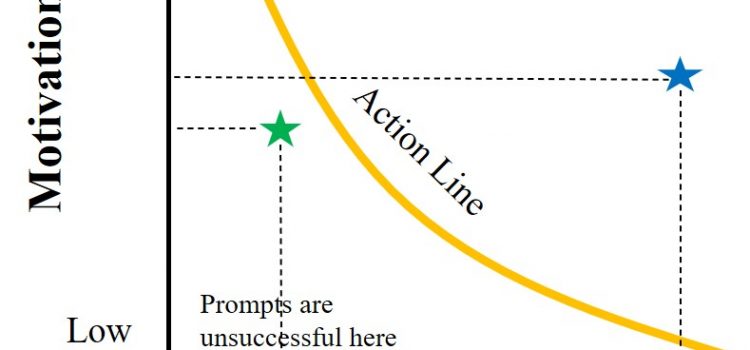
What does the science of habits tell us about our brains? What are the different models of habit formation? There are two primary models for understanding habits and how they form. With minor variations, most authors describe habits in the same way, which we’ll call the Standard Model. Meanwhile, in Tiny Habits, Stanford behavioral scientist BJ Fogg presents the Fogg Behavior Model, a different approach to understanding habits. Let’s look at the two models of habits that are often in conflict with one another.

Secular Spirituality: Sam Harris Sets Transcendence Free

Secular Spirituality: Sam Harris Sets Transcendence Free

Is it possible to have spirituality without religion? If so, how? Why would you want to pursue this? Sam Harris is known for encouraging skeptics to confront religion. In 2017’s Waking Up, he lays out a reason-based approach to spirituality that’s rooted in what science and meditation teach about the workings of the human mind. Read more to learn what secular spirituality means and why Harris recommends it.

The Stages of Life: Which One of the 4 Are You In?

The Stages of Life: Which One of the 4 Are You In?

What are the four main stages of life? Why is it important to understand these stages? The Good Life by Robert Waldinger and Marc Schulz defines the stages of life as adolescence, young adulthood, midlife, and late life. They argue that understanding these stages will help you better meet the challenges you’re facing in your life and be more empathetic to people in different life stages. Discover more about the stages of life so you can understand yourself and others better.

Sam Harris: Consciousness & the Theory of Mind (From Waking Up)

Sam Harris: Consciousness & the Theory of Mind (From Waking Up)

What’s consciousness? What do we understand about it? What implications does it have for spirituality and our sense of self? According to Sam Harris, consciousness is worth studying despite its elusiveness. Harris, who has a Ph.D. in neuroscience, explores what neuroscience and psychology have to say about the nature of consciousness and the mind in his book Waking Up. Keep reading to understand what Harris believes consciousness tells us about ourselves and the world around us.

Sam Harris: Mindfulness & Meditation Without Religion

Sam Harris: Mindfulness & Meditation Without Religion

Do you practice mindfulness and meditation? Can it be done outside of the context of religion? According to Sam Harris, mindfulness and meditation are the way to contentment. In his book Waking Up, he starts from a simple foundation—everybody just wants to be happy. While many people look to religion to find happiness, Harris says that you don’t need to go there. Read on to understand Harris’s secular take on mindfulness and meditation.

Tips for Memorizing a Speech Without Sounding Scripted

Tips for Memorizing a Speech Without Sounding Scripted

How can you remember what you want to say—but avoid stiffly reciting it word-for-word? Is it possible to speak extemporaneously—but not aimlessly? Dale Carnegie says that, when you know your speech well enough, you can deliver it with conviction, feeling, and authenticity. Knowing it well enough, though, doesn’t mean memorizing every word. He shares three strategies for leveraging your memory for effective public speaking. Read more to learn his three tips for memorizing a speech in a way that allows you to speak naturally.

The Blue Mind Effect: Why We’re Naturally Drawn to Water

The Blue Mind Effect: Why We’re Naturally Drawn to Water

Why do humans find water appealing? How does it engage our senses? Humans are attracted to the way water looks, feels, and sounds. Wallace J. Nichols calls this the Blue Mind effect. He lays out the multifaceted appeal of water in his book Blue Mind, explaining that our attraction to water goes beyond our need to survive. Read on to learn about the fascinating phenomenon of the Blue Mind effect.