How to Win Friends and Influence People Principles

How to Win Friends and Influence People Principles

Want to master Dale Carnegie’s principles from How to Win Friends and Influence People? The core of his lessons boils down to five essential principles. These principles form the foundation of Dale Carnegie’s influential book, which has sold over 30 million copies worldwide. Whether you’re navigating a tense disagreement or trying to motivate someone to improve, these guidelines show you how to use Carnegie’s philosophy to build stronger relationships and influence others effectively.

System 1 Thinking: How It Works (And Why It’s Inaccurate)

A person looking out the window and pondering over System 1 thinking

Have you ever wondered why you jump to conclusions before you’ve had time to think things through? System 1 thinking is your brain’s automatic, lightning-fast mode that processes information instantly—without conscious effort or control. This mental shortcut helped our ancestors survive, but it often leads to mistakes and hasty decisions in modern life. System 1 operates through rapid associations, connecting what you experience to patterns stored in your memory. Drawing studies from Thinking, Fast and Slow by Daniel Kahneman, we’ll explain how System 1 works and when you should slow down and think more carefully instead.

System 2 Thinking: Slow and Mindful (But Lazy) Thinking

A person using System 2 thinking

System 2 thinking is thinking that allocates attention to the effortful mental activities that demand it, including complex computations. It’s often associated with the subjective experience of agency, choice, and concentration. System 2 can help you recognize when you need to slow down and think more carefully, especially during high-stakes decisions or challenging problems. We’ll cover readings from Thinking, Fast and Slow by Daniel Kahneman to explain how this mental system works, why it often stays dormant, and how to use it more effectively in your daily life.

How to Get People to Like You: Carnegie’s 3 Methods

A smiling group of senior friends who like each other

How do you get people to genuinely like you? Dale Carnegie’s advice boils down to three key strategies: demonstrate understanding toward others’ emotions, present yourself with warmth and positivity, and establish personal connections. Carnegie’s classic book How to Win Friends and Influence People offers practical techniques for becoming more likable. His approach emphasizes understanding why people feel the way they do and demonstrating that understanding through your words and actions. Keep reading for an in-depth look.

Heuristics and Biases: Bad Thinking and Bad Decisions

A man pondering over heuristics and biases

How can you make good decisions using such flawed methods of thinking? In Thinking, Fast and Slow, Daniel Kahneman’s solution is to learn to recognize situations when System 1 is vulnerable to mistakes, so you can bring your rational System 2 to bear.  To that end, we’ll briefly review a number of common heuristics (mental shortcuts) and cognitive biases (thinking errors that heuristics can lead to) that can mislead System 1 thinking. Having a good understanding of heuristics and biases can help you think better and wiser.

Physical Touch Love Language: How to (& Not to) Show Affection

A black and white image of a man and woman hugging, expressing the physical touch love language

How do you show love through physical contact? According to Gary Chapman’s concept of love languages, people who speak physical touch as their primary love language feel most loved through physical contact—the key is learning your partner’s specific preferences. Physical touch isn’t one-size-fits-all, and understanding what your partner enjoys (and doesn’t enjoy) makes all the difference. Here’s what Chapman has to say about it in his book The 5 Love Languages.

How to Win Friends and Influence People: The Basics

A group of friends in their 20s or 30s dressed up for a formal party

Struggling to connect with people or get them to see your perspective? Dale Carnegie’s How to Win Friends and Influence People offers timeless principles for building genuine relationships and influencing others through appreciation, empathy, and understanding. Published in 1937, Carnegie’s classic teaches you to become a better conversationalist, make people feel valued, and change minds without causing offense. The book’s core approach centers on sincere appreciation, talking in terms of others’ interests, and avoiding criticism.

The Top 5 Cognitive Bias Examples, Explained

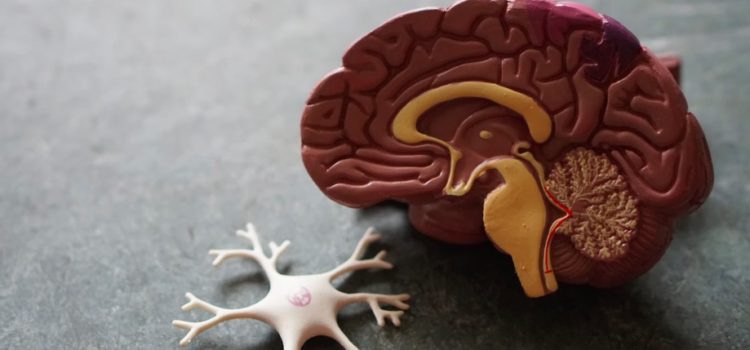
A diagram of a brain that shows cognitive bias examples

Isn’t it profound how we can make decisions without realizing it? You like or dislike people before you know much about them; you feel a company will succeed or fail without really analyzing it. But how susceptible are these quick judgments to cognitive bias? What is cognitive bias? Cognitive bias is an error in thinking that affects our judgments. These biases are the result of quick, intuitive thinking below the conscious level. Learn more about what they are with common cognitive biases examples below.

What’s My Love Language? 3 Questions for You & Your Partner

A couple holding their hands together in a heart shape

Ever wondered why your partner’s thoughtful gestures sometimes miss the mark? The key to identifying your love language—the way you give and receive love most naturally—is to reflect on three things: what makes you feel most loved, what makes you feel hurt or unloved, and how you typically show affection to others. In The 5 Love Languages, Gary Chapman developed the concept of five love languages: Words of Affirmation, Quality Time, Receiving Gifts, Acts of Service, and Physical Touch. Here’s how to discover which one speaks to you.

Expected Utility Theory: When It Works, and Where It Fails

Three tools on hardwood representing the thinking utility theory

How is the expected utility theory used to predict human behavior? Expected utility theory is a theory of how people make choices and take risks when they don’t know the outcome. Traditional expected utility theory asserts that people are rational agents that calculate the utility of each situation and make the optimum choice each time. We’ll look at how expected utility theory for decision making works and cover some of its flaws.