What Is the Real Meaning of Karma? Facts vs. Myths

What Is the Real Meaning of Karma? Facts vs. Myths

What is the real meaning of karma? What are common misconceptions about karma, and how is the reality different? The real meaning of karma is the way that your body and mind change based on your experiences of emotions, thoughts, and actions. Looking at what this means in practice and how it leads to karmic consequences can grow your personal development. Continue reading to learn what karma actually is and how you can apply that understanding to your life.

Henry David Thoreau: Solitude—but Not Isolation—at Walden Pond

A silhouette of a man alone in the woods.

Was Henry David Thoreau a recluse? How remote was his cabin on Walden Pond? Why did he value solitude? For Henry David Thoreau, solitude served as a major motivation for living in the woods at Walden Pond. He defined solitude as spending time by himself without feeling alone. But, he was no hermit. He left the woods at times and welcomed guests to his cabin. Read more to learn about Thoreau’s time alone—and with others—during his Walden years.

Karma and Reincarnation: Fueling the Energy Body

man doing yoga in a forest

How are karma and reincarnation linked? What does karma have to do with past lives? Karma and reincarnation are related because karma influences how we are reincarnated, and because of reincarnation, we inherit karma from past lives. Understanding the tie between these two concepts can deepen your understanding of karma whether or not you believe in reincarnation. Continue reading for more on the relationship between karma and reincarnation.

Henry David Thoreau Quotes From Walden (+ Context)

A young woman reading in a park.

What did Henry David Thoreau find “wearisome and dissipating”? What did he learn from his time at Walden Pond? What did he consider “the treasured wealth of the world”? In the 1840s, Henry David Thoreau built a cabin at Walden Pond, on the outskirts of Concord, and lived there for two years. More than 160 years after Walden was first published in 1854, people still read Thoreau’s book about the life he lived, alone, in the woods of eastern Massachusetts. Continue reading for seven Henry David Thoreau quotes from Walden that will give you a good sense of the book.

Henry David Thoreau’s Personality: Elusive Man of Multitudes

Henry David Thoreau’s Personality: Elusive Man of Multitudes

How do people regard Henry David Thoreau? Do they tend to take him too literally and, as a result, miss who he really was? It’s not unusual for someone to have a mixed reputation—because people are complicated. Henry David Thoreau is no exception. An essayist and a key figure in the Transcendentalist movement, Thoreau is still read by many and revered by some. Keep reading to learn about Henry David Thoreau’s personality from those who knew him and those who’ve read his works.

How to Create a Kanban Board: 6 Steps to an Organized Life

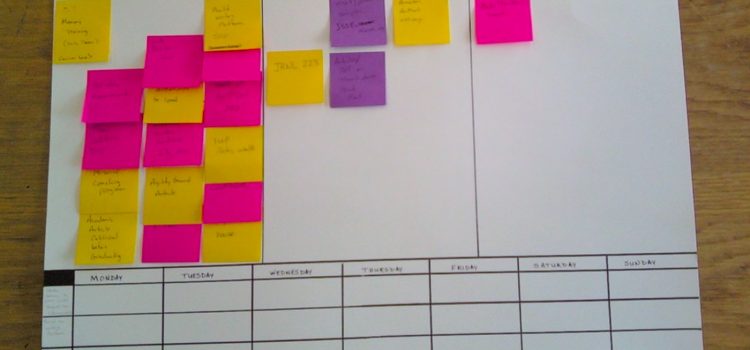
A kanban board with sticky notes.

Do you know how to create a kanban board? How do you know what tasks are the most important to work on? In Personal Kanban, Jim Benson and Tonianne DeMaria teach you the basics of personal kanban so you can create one yourself. They lay out the steps to get started on your personal organization journey. Continue reading to learn how to develop your own kanban board.

The 4 Types of Karma: Explained With Real-Life Examples

The 4 Types of Karma: Explained With Real-Life Examples

What are the four types of karma? How do they interact with each other? The four types of karma are sanchita (accumulated karma), prarabdha (allotted karma), agami (future actionable karma), and kriyamana (present actionable karma). By learning what each of these is, you can better understand the karma in your own life. Learn about the four types of karma and how each influences the bigger picture.

How to Prioritize Workload: Carefully Choose Your Tasks

How to Prioritize Workload: Carefully Choose Your Tasks

Are you overwhelmed with the amount of tasks you have to complete? How do you prioritize all your work? In Personal Kanban, Jim Benson and Tonianne DeMaria say that a kanban board will help you complete your tasks. To do so, you need to start prioritizing the important to-do items over the less important ones. Keep reading to learn how to prioritize workload based on a “Ready, Doing, and Done” table.