The Psychology of Procrastination: Why Wait?
The Psychology of Procrastination: Why Wait?
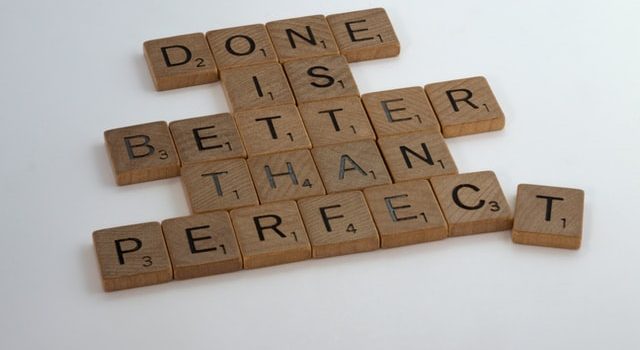
Are you a chronic procrastinator? Why makes people procrastinate on important tasks? And why are some people more prone to procrastination than others? Procrastination is essentially postponing an important task. Everybody procrastinates, but some people do it more than others. According to psychologists Lenora Yuen and Jane Burka, there are four factors that influence how much an individual tends to procrastinate. Keep reading to learn about the psychology of procrastination.

Why Perfectionism and Procrastination Go Hand in Hand

Why Perfectionism and Procrastination Go Hand in Hand

What is the connection between perfectionism and procrastination? How does perfectionism fuel procrastination? Perfectionism is the most common reason we procrastinate: We set such high standards for ourselves and tell ourselves there will be dire consequences for not meeting those standards. As a result, we find it hard to even start working on something. Here’s how you can put an end to procrastination by making a shift in your mindset.

The 3 Best Solutions for Procrastination

The 3 Best Solutions for Procrastination

What causes procrastination? Is procrastination a time management issue? What are some solutions for procrastination that actually work? Procrastination is often the result of poor time management, which is, in turn, the result of being out of sync with the passage of time. In other words, you procrastinate because your time perception is warped, which makes you underestimate how long tasks take. Here are three behaviors that can empower you to make the most of your time and put an end to procrastination.

Beating Procrastination: Emotional Regulation Strategies

Beating Procrastination: Emotional Regulation Strategies

What role does emotional regulation play in procrastination? How does the inability to regulate your emotions prevent you from getting things done? Beating procrastination is ultimately about learning to regulate difficult emotions. When you’re faced with a task, you can’t control what emotions arise, such as fear or dread. However, you can control how you regulate these emotions so they don’t overwhelm you and tempt you to procrastinate. Here’s why procrastination is ultimately an issue with emotional regulation and what you can do about it.

What Are Psychedelic Drugs? The Benefits & Drawbacks

What Are Psychedelic Drugs? The Benefits & Drawbacks

What are psychedelic drugs? Why are they becoming a popular treatment? What are the downsides? The main benefit of psychedelics is their potential for significant therapeutic benefits, including their ability to revolutionize psychiatry, a field that’s been floundering for decades. However, people arguing against psychedelic drugs say that we still don’t fully understand the risks. Keep reading to learn what psychedelic drugs are, including the benefits and drawbacks of using them.

What Causes Procrastination? The 3 Most Common Causes

What Causes Procrastination? The 3 Most Common Causes

What causes procrastination? Why do we sometimes choose short-term relief from fear over the long-term gains of persisting through daunting but important tasks? Although procrastination harms us, we still do it because it provides us with relief. Procrastination is essentially a coping mechanism: We procrastinate to cope with the fear of working on certain tasks. Here are the three most common fears behind procrastination.

Procrastination and Self-Esteem: What’s the Connection?

Procrastination and Self-Esteem: What’s the Connection?

What’s the connection between procrastination and self-esteem? How does unhealthy self-esteem prevent you from getting things done? Everybody procrastinates, but some people do it more than others. According to psychologists Lenora Yuen and Jane Burka, self-esteem plays a key role in an individual’s tendency to procrastinate. Keep reading to learn about the link between procrastination and self-esteem.

How to Be More Present & Mindful of Negative Thinking

How to Be More Present & Mindful of Negative Thinking

Want to know how to be more mindful and present? How can you practice this if you’re plagued by negative thoughts? According to psychotherapist Russ Harris, you can’t get rid of the negative thoughts and feelings that distract you in everyday life—especially the feeling of fear. Harris stresses that learning how to be more present and mindful of your thoughts and fears requires continual practice. Read on to learn how to be more mindful and present, despite negative thought patterns, based on Harris’s advice.

Overcoming Procrastination: Reclaim Control of Your Time

Overcoming Procrastination: Reclaim Control of Your Time

Why do we put off things that matter to us the most? More importantly, how can you stop procrastinating once and for all? Overcoming procrastination is not an easy feat, especially if you procrastinate for reasons that are beyond your control. However, you can put an end to procrastination if you first accept some realities as being beyond your control and then focus instead on controlling what you can: your behavior.  Let’s also explore how you can work within the constraints of realities beyond your control by practicing healthy behaviors that replace procrastination.

How a Psychotherapist Says Fear Is Holding You Back

How a Psychotherapist Says Fear Is Holding You Back

Is fear holding you back? How do you know if you’re controlled by fear? How do experts say you can overcome fear? Fear and negative thoughts are instincts that serve an important evolutionary purpose by making you attuned to dangers around you. However, fear also holds you back from confidently doing the things you want to.  Keep reading to learn psychotherapist Russ Harris’s advice for coexisting with your fears.