Using Buddhism and Mindfulness to Manage Emotions

Using Buddhism and Mindfulness to Manage Emotions
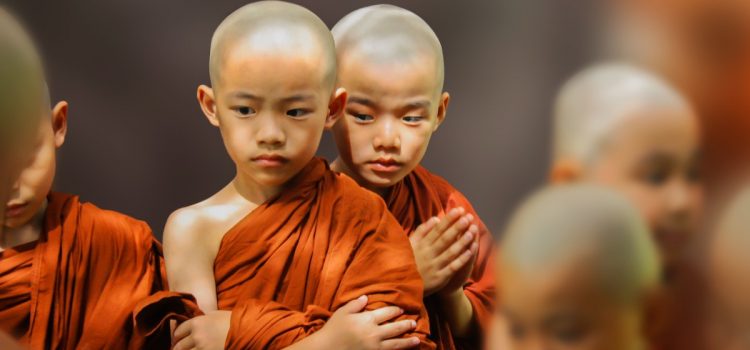
What is mindfulness, according to Buddhism? How can using Buddhism and the concept of mindfulness help to manage your emotions? The Buddhist concept of mindfulness has gained popularity recently thanks to its healing effects on your body and mind. In her book, How Emotions Are Made, psychologist Lisa Feldman Barrett explains why learning to use mindfulness in your daily life helps to relieve stress and balance your mood. Keep reading to learn about Buddhism and mindfulness, according to Barrett’s findings.

The Purpose of Religion in Society: Cementing Social Norms

The Purpose of Religion in Society: Cementing Social Norms

Why do most religions have rules about marriage and sex? What difference does it make when religions have norms related to appearance? In The Elephant in the Brain, Kevin Simler and Robin Hanson argue that human behavior is driven by selfish motives hidden behind altruistic pretexts. The authors say that religion, too, is shaped by ulterior motives, and they share their theories about what they think religion is really about. Continue reading to find out more about the purpose of religion in society, according to Simler and Hanson.

Seeking Wisdom by Julia Cameron: Overview

A person looking out the window and pondering over System 1 thinking

What is Julia Cameron’s Seeking Wisdom about? What are the main takeaways of the book? In Seeking Wisdom, Julia Cameron explains that spirituality is the key to creativity. Throughout the book, Cameron walks you through each step of your spiritual journey, using anecdotes from her own life and interviews with those close to her to illustrate her recommendations. Read below for a brief overview of Seeking Wisdom by Julia Cameron.

Discovering God With Julia Cameron’s Advice

Discovering God With Julia Cameron’s Advice

Do you want a relationship with God? How can Julia Cameron’s book Seeking Wisdom help you discover God? In Seeking Wisdom, Julia Cameron teaches you how to unblock and maximize your creativity through spirituality. Cameron explains that to maximize your creative potential, you must first get in touch with divinity through prayer. Read Cameron’s advice on discovering God from Seeking Wisdom.

Human Limitations: How We’re Between Animals and Gods

Human Limitations: How We’re Between Animals and Gods

How are we limited in our pursuit of happiness? Can we still be happy? We can reason, so we’re above the animals. But, we can’t eternally contemplate, so we’re below the gods. In his Nicomachean Ethics, Aristotle addresses human limitations and discusses how we still can strive for happiness, even within constraints. Keep reading for Aristotle’s views on human limitations.

The Virtue of Wisdom: Self-Sufficient & Divine

The Virtue of Wisdom: Self-Sufficient & Divine

What did Aristotle say about wisdom as a virtue? Why did he believe it was superior? In an effort to prove that wisdom is the greatest virtue of all, Aristotle explains how the virtue of wisdom is superior to moral virtues. He claims that wisdom is superior because it’s self-sufficient and divine.  Let’s take a look at Aristotle’s view on the virtue of wisdom as presented in his Nicomachean Ethics.

2 Different Types of Prayer to Be More Creative

2 Different Types of Prayer to Be More Creative

What are the different types of prayer? What should you pray about? In Seeking Wisdom, Julia Wisdom explains that there are two main types of prayers you should recite regularly to most effectively harness God’s creative power. These two prayers are prayers of request and prayers of appreciation. Below we’ll explain what these prayers are and how to practice them successfully.