The Shack: Forgiveness Propels Mack Toward Healing

a man standing on top of a mountain with his arms open wide illustrates the theme of forgiveness in The Shack

Have you ever struggled to forgive someone who deeply hurt you? What would it take for you to finally let go of that pain and anger? In his thought-provoking novel, William P. Young explores these questions through the transformative journey of his protagonist, Mack. The Shack’s forgiveness theme is woven throughout the narrative, as Mack confronts his past and learns the power of compassion. Join us as we delve into the profound insights Young shares about the nature of forgiveness and its ability to heal even the deepest wounds.

Heresy in The Shack? What the Book Says About God

a man reading a book and looking skeptical illustrates an examination of the claims of heresy in The Shack

Is there heresy in The Shack? How does the book handle matters such as the nature of God, the problem of evil, and the act of forgiveness? In William P. Young’s thought-provoking novel, The Shack, the protagonist, Mack, experiences a transformative journey through his interactions with the Trinity. The book delves into profound theological questions regarding the Godhead, evil and suffering, and the practice of forgiveness. Below, we’ll explore the theology and the question of heresy in The Shack and unravel the nature of Mack’s encounters with the divine.

What Is Mushin? Cultivating Calm in the Middle of the Storm

A calm man with his eyes closed sits in a chair, practicing mushin in the middle of chaos

What is mushin? Is it the same as mindfulness? How can it help you remain calm and even de-escalate a high-stress situation? A core skill in Verbal Judo is cultivating a mindset called mushin (wushin in Chinese), which practitioners of many Japanese and Chinese martial arts aim to achieve. In his book Verbal Judo, George Thompson explains mushin and how you can cultivate it and use it to great advantage. Read more to learn what mushin is and how to apply it.

Christianity in the Victorian Era: When Masculinity Was Genteel

A farmer wearing overalls in a field of wheat.

What were Christian men like during the Victorian Era? How and why did masculinity change around the turn of the 20th century? A professor of history and gender studies at Calvin University, Kristin Du Mez, presents an intriguing perspective of Christianity in the Victorian era in her book Jesus and John Wayne. She focuses on men and masculinity and argues that they were quite different than they became in the 20th century. Read more to understand Du Mez’s views.

The Rise of the Religious Right in America (Kristin Du Mez)

The sun beaming on the Christian cross and the American flag.

How are the election and presidency of Ronald Reagan connected to American Christianity? Who popularized the religious right? In Jesus and John Wayne, history and gender studies professor Kristin Du Mez traces the link between politics and evangelical Christianity in America. She lays out the roots of the religious right and how it entered the mainstream in the 1980s. Continue reading to learn about the rise of the religious right in America.

Trump and Christianity: Why Did Evangelicals Elect Him?

Trump and Christianity: Why Did Evangelicals Elect Him?

What’s the relationship between Donald Trump and Christianity—especially evangelicalism? Why do so many Christians endorse him? In Jesus and John Wayne, Kristin Du Mez traces the development of evangelicals’ conception of masculinity since the 1900s, outlining how the genteel masculinity of Victorian-era Christianity transformed into the militaristic masculinity that led evangelicals to embrace Trump wholeheartedly. Read more to get Du Mez’s take on the intriguing link between Donald Trump and Christianity.

Having a Purpose in Life: 3 Ways It Contributes to Happiness

A man on a sailboat looking at the sunset on the water.

Where are you headed in life? What are you striving toward? Do you believe that your life has value and meaning? In The How of Happiness, Sonja Lyubomirsky unpacks the factors that fuel happiness and provides practical strategies to nurture and sustain it. One way is to find and create purpose in your life. Keep reading to see how having a purpose in life can bring you lasting happiness.

Soft Patriarchy in Christianity? Exploring the Complementarian View

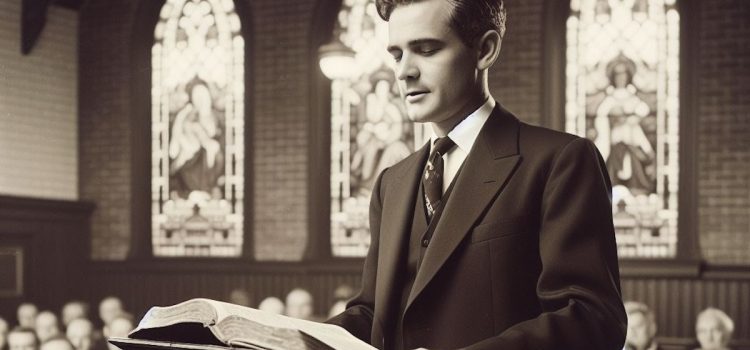
A preacher reading from a Bible in a church with stained glass windows behind him.

What’s the complementarian view of scripture? Does it represent “soft patriarchy” in Christianity? Professor of history and gender studies Kristin Du Mez writes that, in the early and mid-20th century, evangelical Christians shifted toward a militant view of masculinity. Then, a lack of a US military opponent in the ’90s caused this conception to soften. Continue reading to understand Du Mez’s perspective on “soft patriarchy” within evangelicalism.

Christianity in the 20th Century: A Gender-Based Critique

A half full congregation of a Christian church service inside.

How did Teddy Roosevelt help shape American Christianity? What impact did the wars of the 20th century have on the American church? As a professor of history and gender studies at Calvin University, Kristin Du Mez shares a new perspective on the history of American Christianity. She traces the evolving concept of masculinity within evangelicalism throughout the last century. Keep reading to get Du Mez’s take on American Christianity in the 20th century.