Latency Arbitrage: A Manipulative Stock Trading Tactic

Latency Arbitrage: A Manipulative Stock Trading Tactic

What is latency arbitrage? How is it used against slower trading investors in the stock market? According to Michael Lewis, the author of Flash Boys, latency arbitrage is one of the many tactics that high-frequency traders (HF) use to get an unfair advantage over average traders in the market. By using different latency speeds, HF traders can buy a stock and then sell it for a much higher price in a matter of seconds. Let’s look at why Lewis believes latency arbitrage is a problem in stock trading, and why others disagree with him.

Trade Fights Poverty, But Only if It’s Done Right

Trade Fights Poverty, But Only if It’s Done Right

How can foreign trade policies help poor countries develop? How can fair trade practices backfire? Economist Paul Collier says in his book The Bottom Billion that trade can help poverty, but it can also make things worse. He outlines practices the West can use that will actually help poor nations grow rather than trapping them in poverty. Here’s how trade fights poverty.

How to Assess the Financial Health of a Company

How to Assess the Financial Health of a Company

Is your business financially healthy? How can you assess the financial health of a company? In his book Profit First, business makeover specialist Mike Michalowicz explains how to assess the financial health of your company using the allocation percentage equation. He also provides a table of what a healthy business should look like in terms of allocation percentages for businesses of various sizes. Here’s how to assess your company’s financial health, according to Michalowicz.

How to Help Poor Countries: Impose Ethical Laws

How to Help Poor Countries: Impose Ethical Laws

Do you want to know how to help poor countries? How can laws and charters improve the lives of the bottom billion? Paul Collier, a British economist, believes that one of the most cost-effective ways to help the poorest countries is to change their laws. It sounds harsh, but by creating a more ethical system, the economy can start to grow. Here’s Collier’s method for helping the bottom billion.

The Bottom Billion by Paul Collier: A Brief Overview

The Bottom Billion by Paul Collier: A Brief Overview

What’s The Bottom Billion by Paul Collier about? Why does Collier believe that his messages in this book are urgent and time-sensitive? The Bottom Billion is Paul Collier’s book about the world’s poorest nations and how they’re stuck in “poverty traps” that prevent them from growing. Collier says that, the longer the West takes to help these countries, the harder it will be for them to overcome their struggles. Here’s a brief overview of the book.

The 7 Bank Accounts Your Business Should Have

The 7 Bank Accounts Your Business Should Have

Why should you have 7 bank accounts for your business? What should each account be designated to? Mike Michalowicz, author, entrepreneur, and business makeover specialist, says that every business owner should have 7 bank accounts. He asserts that having your money organized into several designated accounts works better than having spreadsheets or financial software. Here’s how each of your bank accounts should be used.

The 4 Poverty Remedies From The Bottom Billion

The 4 Poverty Remedies From The Bottom Billion

What poverty remedies can the West provide to developing nations? What mistakes do Western countries often make when trying to provide aid? In his book The Bottom Billion, economist Paul Collier proposes four ways the West can assist poor nations. His suggestions are foreign aid, military intervention, laws and charters, and trade policies. Let’s look at each one of Collier’s poverty remedies in detail.

What Is Price-Fixing? The General Electric Case

What Is Price-Fixing? The General Electric Case

What is price-fixing? Can it be successful? What companies have engaged in it? Price-fixing happens when companies collude to increase their profits by agreeing on a price instead of competing for contracts. Despite the clearly stated laws prohibiting price-fixing, in 1961, 29 companies in the electrical manufacturing industry—most notably General Electric (GE)—were found guilty of repeatedly engaging in the practice for years. Continue reading to learn more about price-fixing and this historic case.

Devaluation of the Pound: Background to the Crisis

Devaluation of the Pound: Background to the Crisis

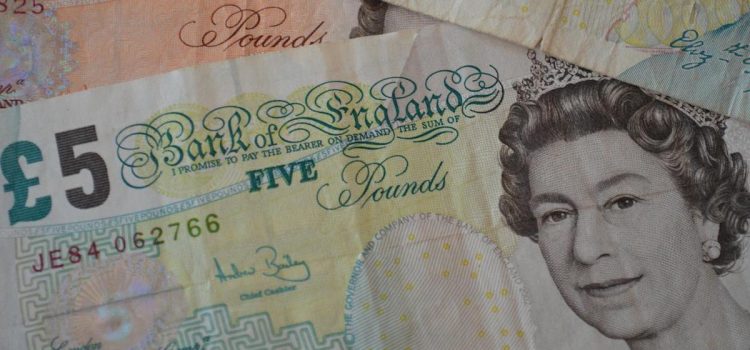
Why did the UK devalue its currency in 1967? What events led up to that decision? Could the fallout have been even worse? In 1964, the British pound was struggling. Currency hedgers and speculators were betting against it. An alliance of central banks tried to save the pound from devaluation. It worked, but only temporarily. The UK moved to devalue the pound in 1967. Continue reading to learn more about this historic devaluation of the pound.