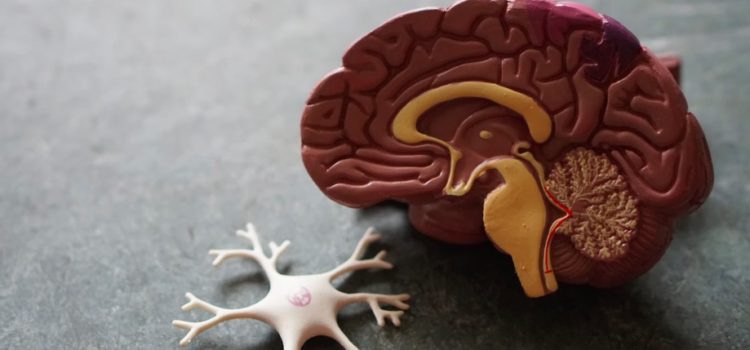
System 2 Thinking: Slow and Mindful (But Lazy) Thinking

A person using System 2 thinking

System 2 thinking is thinking that allocates attention to the effortful mental activities that demand it, including complex computations. It’s often associated with the subjective experience of agency, choice, and concentration. System 2 can help you recognize when you need to slow down and think more carefully, especially during high-stakes decisions or challenging problems. We’ll cover readings from Thinking, Fast and Slow by Daniel Kahneman to explain how this mental system works, why it often stays dormant, and how to use it more effectively in your daily life.

Heuristics and Biases: Bad Thinking and Bad Decisions

A man pondering over heuristics and biases

How can you make good decisions using such flawed methods of thinking? In Thinking, Fast and Slow, Daniel Kahneman’s solution is to learn to recognize situations when System 1 is vulnerable to mistakes, so you can bring your rational System 2 to bear.  To that end, we’ll briefly review a number of common heuristics (mental shortcuts) and cognitive biases (thinking errors that heuristics can lead to) that can mislead System 1 thinking. Having a good understanding of heuristics and biases can help you think better and wiser.

The Top 5 Cognitive Bias Examples, Explained

A diagram of a brain that shows cognitive bias examples

Isn’t it profound how we can make decisions without realizing it? You like or dislike people before you know much about them; you feel a company will succeed or fail without really analyzing it. But how susceptible are these quick judgments to cognitive bias? What is cognitive bias? Cognitive bias is an error in thinking that affects our judgments. These biases are the result of quick, intuitive thinking below the conscious level. Learn more about what they are with common cognitive biases examples below.

Expected Utility Theory: When It Works, and Where It Fails

Three tools on hardwood representing the thinking utility theory

How is the expected utility theory used to predict human behavior? Expected utility theory is a theory of how people make choices and take risks when they don’t know the outcome. Traditional expected utility theory asserts that people are rational agents that calculate the utility of each situation and make the optimum choice each time. We’ll look at how expected utility theory for decision making works and cover some of its flaws.

Daniel Kahneman’s Prospect Theory: The Ultimate Guide

Daniel Kahneman’s Prospect Theory: The Ultimate Guide

Why do we fear losses more than we value gains, or obsess over unlikely disasters while downplaying probable success? Psychologist Daniel Kahneman’s prospect theory reveals that emotions—not pure logic—drive most of our choices. Prospect theory explains how we evaluate options based on reference points rather than absolutes, why proportional changes matter more than fixed amounts, and why loss aversion shapes our behavior more powerfully than any potential reward. Learn more about how understanding prospect theory can help you recognize emotional biases in your own decision-making and make more intentional choices.

Daniel Kahneman’s Happiness Theory: The Two Selves

A happy child running through a yard

What did Daniel Kahneman discover about happiness? The Nobel Prize-winning psychologist identified two distinct aspects of how we experience and evaluate happiness: the experiencing self, which lives moment-to-moment, and the remembering self, which reflects on past events. These two selves often conflict, leading us to make poor decisions about our well-being. Kahneman’s research in Thinking, Fast and Slow reveals that we tend to heavily favor the remembering self when making choices, often at the expense of moment-to-moment contentment. Read more to learn how both selves can help you make better decisions and achieve lasting happiness.

Remembering Self: How Memory Affects Happiness

A pile of photographs representing the remembering self

Why do we make decisions that cause us to suffer? The answer lies in the remembering self—the part of your mind that recalls past experiences and uses those memories to guide future choices. This mental system prioritizes memorable moments over actual lived experience, often distorting your judgment in ways you don’t realize. This concept, explored in depth through Daniel Kahneman’s research in Thinking, Fast and Slow, explains three critical flaws: how we endure needless suffering for memorable endings, how our current focus warps our evaluation of overall happiness, and how we consistently misjudge what will make us happy in the

Creating Great Choices: Book Overview, Takeaways, and FAQ

Two sheets of paper on a table that read OPTION 1 and OPTION 2

When faced with difficult decisions, most of us fall into the same trap: We choose the least bad option from whatever alternatives we’re given, then wonder why we’re still not satisfied with the outcome. But what if there were a way to create better options rather than simply choosing between existing ones? In their book Creating Great Choices, Jennifer Riel and Roger L. Martin explore what integrative thinking is and how it differs from conventional decision-making approaches. They also examine why our usual methods of making tough choices often fail us, creating the problems that integrative thinking is designed to

Richer, Wiser, Happier: Book Overview (William Green)

An investor looking at a giant stock graph

How do some investors consistently beat the markets, make billions, and manage to maintain a sense of calm? How can we emulate them to achieve wealth and keep our stress levels in check? In his book Richer, Wiser, Happier, journalist William Green draws on the wisdom of over 40 legendary investors—including Warren Buffett, John Templeton, and Charlie Munger—to provide insights about boosting your finances and your sense of well-being. This overview distills Green’s ideas into three strategies that will help you achieve both financial prosperity and inner peace: Expand your knowledge, master decision-making skills, and build and protect your wealth.

On the Edge: Quotes by Nate Silver About Gambling

A woman looking at a neon sign that reads "RISK"

In On the Edge, statistician Nate Silver reveals a surprising truth about power in modern society: The people making the biggest impact—from tech entrepreneurs to hedge fund managers to effective altruists—think like professional gamblers. Drawing on his unique background as both a former poker player and a data journalist, Silver shows how the mathematical mindset of gambling shapes decision-making at the highest levels of business, technology, and philanthropy. As we navigate an increasingly uncertain world, the ability to think probabilistically and make calculated bets has become essential for anyone seeking to make an impact or build wealth. Below, we’ll look