Why Are Human Babies So Helpless? (It’s Actually a Good Thing)

Why Are Human Babies So Helpless? (It’s Actually a Good Thing)
Why are human babies so helpless? Is there an advantage to their helplessness? Human babies are so helpless because they’re born prematurely, relative to other animals. Because they’re born before they’re fully developed, human babies are helpless, but this may provide a key to why humans are so successful as a species. We’ll cover why human babies are so helpless and why this could be an advantage in the animal kingdom.

Neanderthal DNA in Modern Humans: How It Got There

Neanderthal DNA in Modern Humans: How It Got There

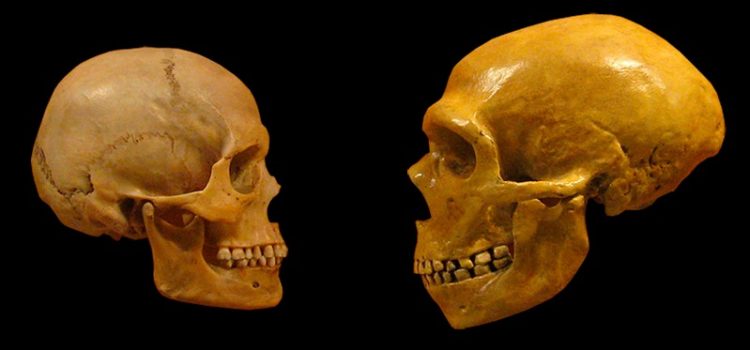
Is there Neanderthal DNA in modern humans? How much? How did it get there? Some people have up to 4% Neanderthal DNA. This is because early Homo sapiens, our species, interbred with Neanderthals, a different human species. Learn the difference between Neanderthals and early Homo sapiens and how researchers made the surprising discovery that there’s Neanderthal DNA in some modern humans.

Master of Two Worlds: The Hero’s Journey, Stage 16 (Explained)

Master of Two Worlds: The Hero’s Journey, Stage 16 (Explained)

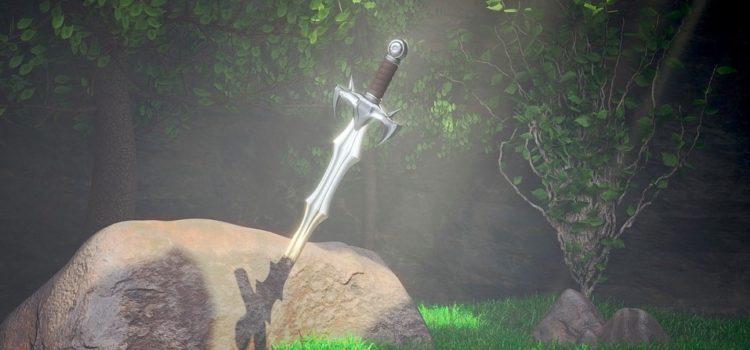
What is stage 16 of Joseph Campbell’s hero’s journey? What is the significance of being a “master of two worlds”? Master of two worlds is the stage of the hero’s journey in which the hero can move seamlessly between the two worlds, without destroying or compromising either. Master of two worlds is stage 16 of Joseph Campbell’s hero’s journey, from The Hero with a Thousand Faces. We’ll cover what being a master of two worlds entails and look at examples of the master-of-two-worlds stage of the hero’s journey.

Gilgamesh’s Quest for Immortality: Why He Had to Fail

Gilgamesh’s Quest for Immortality: Why He Had to Fail

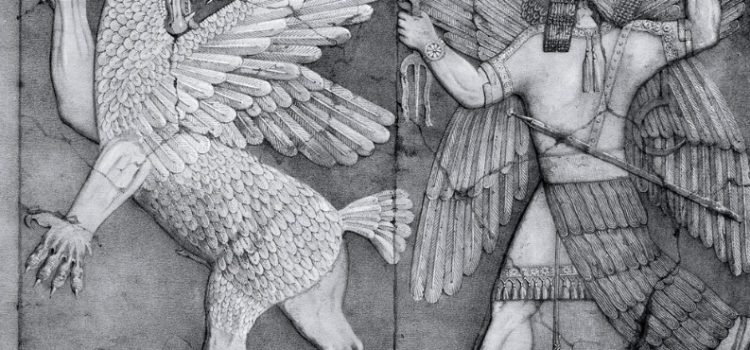
What happens in the ancient epic when King Gilgamesh seeks immortality? How does Gilgamesh’s immortality-search align with Joseph Campbell’s hero’s journey? And why isn’t Gilgamesh successful? We’ll cover the elements of King Gilgamesh’s search for immortality and discuss why he had to fail in this endeavor, according to the standards of the hero’s journey popularized in The Hero with a Thousand Faces.

Know Your Enemy (Art of War): 17 Signs to Look For

Know Your Enemy (Art of War): 17 Signs to Look For

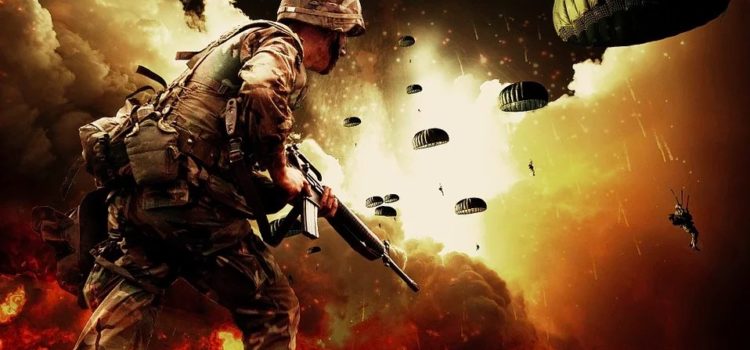
The phrase “know your enemy” comes from Sun Tzu’s The Art of War. What did he mean when he said you should know your enemy? How did he suggest you do it? Sun Tzu says, “If you know the enemy and know yourself, you need not fear the result of a hundred battles.” We’ll cover how knowing your enemy gives you the advantage. We’ll also cover what to look for in order to accurately read your enemy.