Biological Altruism: The Genetic Reason We Help

Biological Altruism: The Genetic Reason We Help

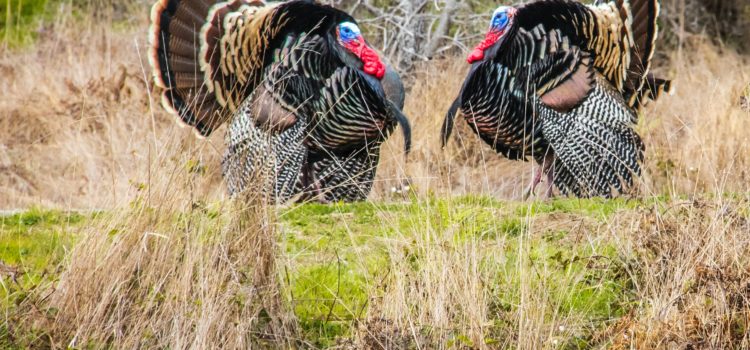
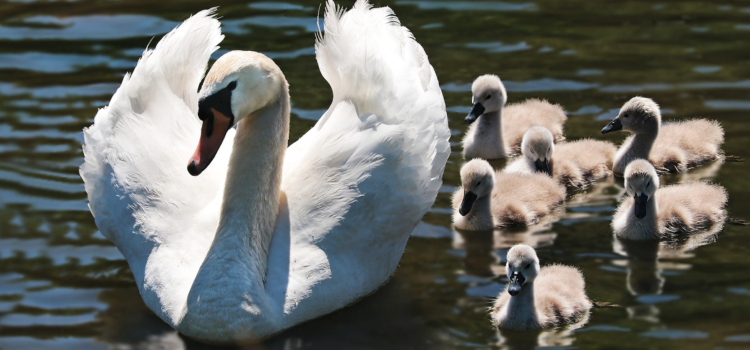
What is biological altruism? How do our genes and natural instincts lead us to help others? In The Selfish Gene, Richard Dawkins asserts that everything in nature can be explained by understanding that life is all about passing on genes. But, instead of always acting from a selfish perspective, biological altruism also exists in nature. Keep reading to better understand biological altruism.

Reciprocal Altruism Is Still Driven by Selfishness

Reciprocal Altruism Is Still Driven by Selfishness

What is reciprocal altruism and what does it look like in nature? How does reciprocal altruism actually benefit the individual helping someone else? Reciprocal altruism is an action taken that can benefit another animal in return for their beneficial action. Still, the reasoning behind the supposed altruism may actually be rooted in selfishness. Read more about reciprocal altruism and what Richard Dawkins says about it in The Selfish Gene.

Mate Selection and the Role of Attractiveness in Nature

Mate Selection and the Role of Attractiveness in Nature

What is mate selection and how does it happen in nature? How important is attractiveness in the process? Mate selection is the process by which animals select partners for making and raising offspring. The importance of physical attraction varies, but there are certain qualities important for mate selection in nature. Read more about mate selection in nature and the importance of physical attraction.

Stable Populations and Behavioral Strategies

Stable Populations and Behavioral Strategies

How do animals maintain stable populations? Why is ensuring stability important for evolution? Populations with uncontrolled growth or insignificant growth are not stable populations. Certain behavioral strategies help promote stability through reproduction and choosing when to compete with others. Read more about stable populations and the behavioral strategies that can help protect stability.

Evolutionarily Stable Strategy and Game Theory

Evolutionarily Stable Strategy and Game Theory

What is an Evolutionarily Stable Strategy? How does game theory help identify strategies that might be stable? An Evolutionarily Stable Strategy is a population configuration that leads to the best survival for a population. If an individual deviates, they will be less likely to succeed than those who conform. Read on to understand what an Evolutionarily Stable Strategy is and how game theory can help explain it.

Implementing Change and Adapting to Randomness

Implementing Change and Adapting to Randomness

Why is implementing change important? How can you get better at implementing change? Implementing change is an important part of building a successful organization, according to Pixar co-founder Ed Catmull. Things can’t always stay the same and you have to adapt to the randomness or pursue changes to stay successful. Read more about implementing change and what Ed Catmull says about it in his book Creativity, Inc.

Rupi Kaur: Women, Oppression, and Femininity

Rupi Kaur: Women, Oppression, and Femininity

What does the poetry of Rupi Kaur say about women? How does Rupi Kaur’s women-focused poetry reflect feminist principles? For Rupi Kaur, women were always around her. But she internalized the idea that women were just there for men to use. But, as she got older, she saw the power of women and the importance of recognizing misogyny. Read on for more about Rupi Kaur, women, and feminism.

Qualities of a Good Negotiator: It’s All About the Heart

A Guide to Developing Effective Negotiation Strategies

What are the qualities of a good negotiator? What do successful negotiators do differently from those that are merely mediocre? The qualities of a good negotiator are all related to emotional intelligence and understanding your counterpart’s desires and fears. Negotiation is more about the heart than the mind. Keep reading for more about the qualities of a good negotiator.