Why Do We Have to Pay Taxes? An MMT’s View

Why Do We Have to Pay Taxes? An MMT’s View

Why do we have to pay taxes? If monetary sovereigns can print their own money, then why do they still need tax money? Are there other reasons for tax other than to pay the government? According to modern monetary theory, nations that are monetary sovereigns can print more money whenever they need it. However, according to economist Stephanie Kelton, that doesn’t mean that taxes don’t serve a purpose. Learn why a believer of MMT believes taxes are still important.

Stephanie Kelton’s The Deficit Myth: An Overview

Stephanie Kelton’s The Deficit Myth: An Overview

What is Stephanie Kelton’s The Deficit Myth about? How was the book received by critics? In The Deficit Myth, economist Stephanie Kelton—a former Senate Budget Committee staffer and 2016 campaign adviser to Bernie Sanders—writes that nearly all of the public discourse about national debts and deficits gets the facts entirely wrong. Naturally, a controversial stance like this attracted a lot of criticism. Continue reading for a brief overview of The Deficit Myth.

Is National Debt a Problem? Don’t Believe the Hysteria

Is National Debt a Problem? Don’t Believe the Hysteria

Is national debt a problem in the United States? Why does Stephanie Kelton believe that government officials are promoting debt hysteria? Stephanie Kelton is an economist, a believer of modern monetary theory, and the controversial author of The Deficit Myth. In her book, she argues that there is no threat from the national debt and that conversations surrounding the United States debt are full of fearmongering. Continue reading to learn why Kelton thinks the United States could wipe its debt at any time.

Is Donald Trump a Threat to Democracy?

Is Donald Trump a Threat to Democracy?

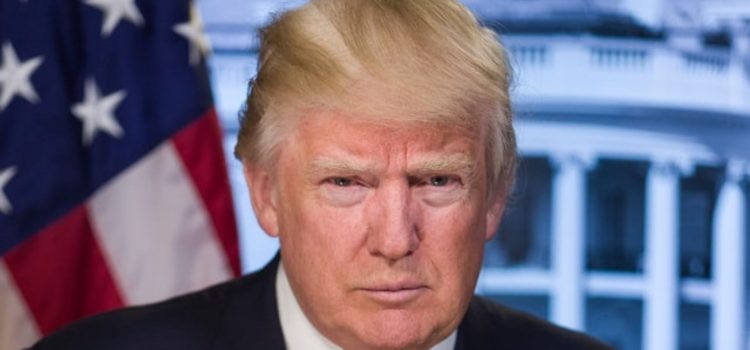
Is Donald Trump a threat to democracy? How does Trump contribute to the erosion of democratic norms in the United States? According to Ziblatt and Levitsky, the authors of How Democracies Die, Donald Trump exhibits clear authoritarian tendencies that threaten American democracy. His impingement on democratic norms was evident from the first year of his presidency. In this article, we’ll consider a couple of examples of Trump’s violation of democratic norms.

The Partisan Advantage and Constitutional Hardball

The Partisan Advantage and Constitutional Hardball

What causes constitutional hardball? What happens when one side of a political system breaks the unwritten democratic norms to secure a partisan advantage over its opponent side? In their book How Democracies Die, authors Levitsky and Ziblatt argue that when one party secures a short-term partisan advantage by breaking unwritten democratic norms, the other party is likely to retaliate. These tit-for-tat dynamics create a so-called constitutional hardball that erodes democratic values of mutual toleration and institutional forbearance. Here is how breaking the unwritten democratic norms to secure a partisan advantage jeopardizes democracy.

The Future of Democracy in the United States

The Future of Democracy in the United States

What does the future hold in store for the representative government in the United States? Do you think democracy will recover or will the country inevitably slide into authoritarianism? According to Levitsky and Ziblatt, the authors of How Democracies Die, there are three possible scenarios for the future of democracy in the United States: 1) recovery, 2) authoritarian takeover, and 3) worsening party polarization. In this article, we’ll explore what they believe might lie ahead for American democracy.

How Democracies Die: Review and Critical Reception

How Democracies Die: Review and Critical Reception

Is Levitsky and Ziblatt’s book How Democracies Die worth reading? Did the success of Trump—an inexperienced outsider with possibly authoritarian instincts—suggest that democracy in the U.S. is backsliding?  In How Democracies Die, authors Steven Levitsky and Daniel Ziblatt set out to analyze democracy’s long-term prospects for survival in the United States. To this end, they examine the historical processes by which democratic norms and institutions came to extinction in other countries in the 20th and 21st centuries and offer a blueprint for how to save the U.S. This How Democracies Die review covers the book’s context, background, and critical reception

Levitsky and Ziblatt: Will Democracy Survive?

Levitsky and Ziblatt: Will Democracy Survive?

Will democracy survive? What can be done to prevent America from democratic backsliding? According to Levitsky and Ziblatt, the authors of How Democracies Die, American democracy is going to face strong challenges. The authors present three key factors that they believe will determine whether or not democratic norms survive in American politics: 1) the behavior of party leaders (particularly Republicans), 2) public opinion, and 3) the possibility of crises like war or terrorist attacks. We’ll discuss the implications of each below. 

William Easterly: Foreign Aid Is a Civilizing Mission

William Easterly: Foreign Aid Is a Civilizing Mission

What are William Easterly’s views on modern foreign aid efforts? How is the top-down approach to international aid reminiscent of the civilizing mission? According to the author of The White Man’s Burden, William Easterly, foreign aid is doing more damage than good. He compared the common top-down aid model to the civilizing mission of the 19th century—when Europeans and Americans believed they had to fix countries that they saw as backward. Here’s why the top-down foreign aid model is doing more harm than good, according to Easterly.