
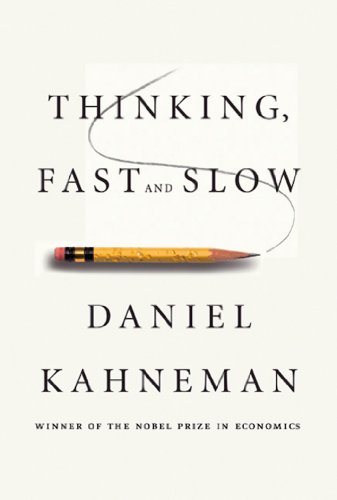
This article is an excerpt from the Shortform summary of "Thinking, Fast and Slow" by Daniel Kahneman. Shortform has the world's best summaries of books you should be reading.
Like this article? Sign up for a free trial here .
What did Daniel Kahneman discover about happiness? The Nobel Prize-winning psychologist identified two distinct aspects of how we experience and evaluate happiness: the experiencing self, which lives moment-to-moment, and the remembering self, which reflects on past events.
These two selves often conflict, leading us to make poor decisions about our well-being. Kahneman’s research in Thinking, Fast and Slow reveals that we tend to heavily favor the remembering self when making choices, often at the expense of moment-to-moment contentment. Read more to learn how both selves can help you make better decisions and achieve lasting happiness.
Originally Published: November 4, 2019
Last Updated: December 8, 2025
The Experiencing Self and the Remembering Self
Daniel Kahneman’s happiness theory identifies two distinct aspects of how we process experience:
The experiencing self lives moment-to-moment, feeling pleasure and pain as it happens. This self measures happiness by keeping a running total of your positive and negative feelings as they occur; the more positive the “sum,” the happier you are.
(Shortform note: As we’ll discuss, people tend to focus very heavily on the remembering self and neglect the experiencing self. One way to get more in touch with your experiencing self is to practice mindfulness meditation, which trains you to accept each moment-to-moment experience as it happens, then let it fade away naturally—you don’t judge the experiences as “good” or “bad,” and therefore you don’t try to consciously remember the good experiences or block out the bad ones.)
In contrast, the remembering self reflects on past events, and only evaluates them once they’ve passed. As a result, it measures happiness very differently from the experiencing self. Kahneman identifies two key patterns that the remembering self uses to evaluate past events:
1. The peak-end rule: This measurement depends mainly on an event’s peak intensity (positive or negative) and how it ends, not an overall average of how it felt. For example, a musical with one excellent song and a strong ending is likely to earn good reviews, even if the majority of the show is mediocre.
(Shortform note: The peak-end rule has significant implications for how we think about our relationships. We tend to view relationships—whether current or past—through the lens of a few key moments, and evaluate the entire relationship as positive or negative based only on those moments. However, you can intentionally create more of those moments to help you remember the entire relationship more accurately. One effective way to do this is simply by diversifying the experiences you and your partner share together. For instance, instead of going to the same bar or restaurant every time you go out, make a point of trying out places you’ve never been to; each of those new experiences will have its own peak and end moments to remember.)
2. Duration neglect: How long something lasts has little impact on how we remember it. For instance, two people with similarly painful injuries (say, ankle sprains of equal intensity) will feel roughly the same about those injuries after the fact, even if one person only needed a month to heal while the other took six months to get back to full health.
| Counterpoint: Duration Has an Indirect, but Significant ImpactAs a counterpoint to Kahneman, a study from 2020 found that the duration of an experience does have a significant impact on how we remember it, but the effect is indirect. While the researchers agree that people only remember key moments about an experience, how long the experience lasts changes how they remember those moments. Applying this study to the previous example, two people with painful injuries will have similar memories about their experiences: They’ll remember only a few key moments, regardless of how long they were injured and in pain for. However, they’d remember those key moments differently. For instance, the person who took six months to heal might remember their most painful moments as significantly worse, because when recalling them, they felt fatigued and frustrated (due to their lengthy healing process). The person who only took one month to heal might remember those painful moments as being less severe, as they were better able to cope with those moments. Conversely, the person who took longer to heal might remember those moments less intensely because they’d gotten so accustomed to the pain already. |
The Remembering Self Skews Our Judgement
Kahneman says that, because of its reliance on System 1 thinking, the remembering self distorts how we measure our own happiness, leading us to believe our lives are better or worse than they really are. Furthermore, because we make decisions by using our memories as reference points, we tend to heavily weigh decisions toward the remembering self and overlook the needs of the experiencing self.
Some key flaws in the remembering self’s reasoning include:
Needless suffering: People often make choices that cause the experiencing self to suffer, but end with rewards that the remembering self will enjoy (due to the peak-end rule). For example, boxers regularly suffer through harsh training and brutal fights just for the chance of a memorable victory. While this may seem reasonable if good memories will strongly outweigh bad ones, Kahneman argues that the experiencing self’s pain still negatively impacts your overall happiness, and it’s better to avoid such suffering whenever possible.
(Shortform note: Objectively speaking, your past experiences can definitely impact your current happiness and well-being—consider how a sprained ankle affects your happiness regardless of whether you know how you hurt it. To further illustrate Kahneman’s point, research shows that people who experienced childhood trauma can suffer from ongoing physical and mental PTSD symptoms, even if they don’t remember the traumatic experiences. Similarly, you might have aches and pains from old injuries you don’t remember getting, or certain situations might put you on edge for reasons you can’t explain.)
The Focusing Illusion: When trying to evaluate their overall happiness, people place too much emphasis on whatever’s currently on their mind—in other words, whatever the remembering self is thinking about at the moment. For example, suppose a couple is going through a rough patch; they might evaluate their entire marriage as a net negative because they’re only remembering the problems they’ve recently had, even though both partners are generally happy with each other. On the other hand, if someone specifically asks how good their marriage is when they’re not fighting, that would shift their focus and probably change their answer.
(Shortform note: One possible way to mitigate the focusing illusion is to consider the same issue while you’re in various different moods or frames of mind. Apocryphally, ancient Persians used to deliberate over important decisions twice: once while drunk and once while sober. They did this to shift their focus and consider different aspects of a situation. Supposedly, only a decision that seemed wise in both states (drunk and sober) was acceptable. While it may not be advisable to get drunk every time you have to evaluate a situation, there is value in reconsidering a decision later, especially one made in an emotional moment—you may find that you make a different choice once your feelings have settled and your focus has shifted.)
Inaccurate Predictions: Kahneman says that people consistently overestimate how much changes will affect their future happiness (positively or negatively) because their current remembering self overestimates how much their future experiencing self will think about those changes. In reality, people quickly adapt to new circumstances and stop thinking about them at all. For example, people commonly think they’d be happier if they had more money. However, once they achieve their financial goals, that level of wealth becomes their new normal and their happiness settles to the same level it was at previously, at their old normal.
(Shortform note: These inaccurate predictions about the future lead to a phenomenon that psychologists call the hedonic treadmill: People chase after something they think will make them happy, enjoy a moment of pleasure when they get it, but quickly return to their previous level of happiness. They then start chasing the next thing in order to recapture that feeling. It’s referred to as a treadmill because people constantly “run” after happiness, but always end up in the same place emotionally. The same is true of negative experiences—after a brief period of feeling upset or angry, people go back to feeling how they did before.)
Conclusion: Both Selves Are Important
Kahneman urges you to find a balance between these two selves, because focusing too much on one or the other creates problems.
Focusing only on the remembering self invites unnecessary suffering. If you only value the remembering self, you might endure decades of pain in the hopes of a brief period of happiness at the end. Conversely, you might avoid long periods of happiness because you’re afraid they’ll end poorly.
For example, you may choose a career you don’t enjoy simply because it pays well. You would then devote the majority of your life to something that makes you unhappy because you think it will allow you to enjoy the relatively brief period between your retirement and your death.
On the other hand, Kahneman warns that focusing only on the experiencing self ignores the potential for lasting harm that some moments can bring. Therefore, this approach can lead to shortsighted decisions that maximize your immediate pleasure while harming your future self.
In short, both selves are important. To maximize your well-being and happiness, Kahneman says you must consider the needs of both your experiencing self and your remembering self. This means you must weigh the moment-to-moment experiences of living against the long-term value you’ll derive from your memories, and find a balance where you can be satisfied both in the present and in the future.
| Be Content With the Present, Yet Excited for the Future Kahneman’s advice to balance the needs of your two selves echoes what Daniel Z. Lieberman and Michael E. Long say in The Molecule of More: Long-term happiness requires you to balance excitement for future possibilities with contentment with your present circumstances. The authors explain that many people spend their lives pursuing “more”—more money, more possessions, more extreme experiences, and so on—because getting what they want provides a pleasurable rush of dopamine. However, dopamine keeps you focused on future possibilities; you need to engage more present-focused areas of your brain to enjoy what you already have. Lieberman and Long say the easiest way to find this balance is to look for a career or hobby that demands your full attention in the present, but also gives you future goals to work toward. This works because activities that keep you focused will stop you from thinking about the future, while having milestones to look forward to helps satisfy the dopamine-driven urge for “more.” Painting is an excellent example of this. Each brushstroke demands the artist’s full attention, yet the artist also needs to have an idea of what the painting will look like when it’s finished—that final product is the goal they’re working toward. |
FAQ
What is the experiencing self?
The experiencing self lives in the present moment and measures happiness by the pleasure and pain you feel as they happen.
What is the remembering self?
The remembering self looks back on experiences and judges happiness based on how events are remembered after they end.
What is the peak-end rule?
The remembering self evaluates experiences mainly by their most intense moment and how they end, not by the overall average.
What is duration neglect?
How long an experience lasts has little effect on how it’s remembered compared to key moments.
How does the remembering self distort happiness?
It relies on biased memories, which can lead to needless suffering, focusing errors, and inaccurate predictions about the future.
What is the focusing illusion?
It’s the tendency to judge overall happiness based on whatever the remembering self is focused on at the moment.
Why is it important to balance both selves?
Focusing only on one can cause either unnecessary suffering or shortsighted decisions, while balance supports both present and future well-being.
———End of Preview———
Like what you just read? Read the rest of the world's best summary of "Thinking, Fast and Slow" at Shortform . Learn the book's critical concepts in 20 minutes or less .
Here's what you'll find in our full Thinking, Fast and Slow summary :
- Why we get easily fooled when we're stressed and preoccupied
- Why we tend to overestimate the likelihood of good things happening (like the lottery)
- How to protect yourself from making bad decisions and from scam artists