Growth Mindset for Teachers: Educating Your Students
Growth Mindset for Teachers: Educating Your Students
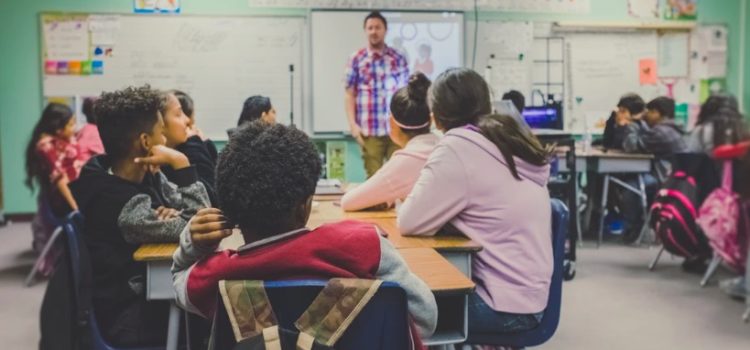
You know that your students need to have a growth mindset. But do you know how to instill a growth mindset in your students? And what about your own? How does your mindset as a teacher affect your students? A growth mindset for teachers is imperative for student achievement and mental health. We’ll cover the theory behind Carol Dweck’s growth mindset for teachers and discuss ways to inculcate a growth mindset in your students and yourself. Learn why teachers’ mindsets matter.

Change Your Mindset: 4 Simple Steps, From Fixed to Growth

Change Your Mindset: 4 Simple Steps, From Fixed to Growth

You’ve heard about Carol Dweck’s growth mindset and fixed mindset. What’s your mindset? People can have a mix of the two mindsets, or they can apply a fixed mindset in certain situations and a growth mindset in others. You may have fixed beliefs about your intelligence but a growth mindset (believing you can improve) when it comes to other qualities. However, one mindset or the other — fixed or growth — tends to dominate your life. If you have a fixed mindset, how do you change your mindset to be more successful? We’ll cover how to change your mindset from

The Two Mindsets: Fixed and Growth Mindsets (Carol Dweck)

The Two Mindsets: Fixed and Growth Mindsets (Carol Dweck)

What are the two mindsets from Carol Dweck’s popular book Mindset? Is one of the two mindsets better? Which mindset do you have? The two mindsets of Carol Dweck are the fixed mindset and the growth mindset. You learn one of two mindsets from your parents, teachers, and coaches  — that personal qualities such as intelligence and ability are innate and unchangeable (a “fixed” mindset) or that you and others can change and grow (a “growth” mindset). Regardless of which view dominates your thinking, it shapes your personality and helps or hinders you from reaching your potential. We’ll cover the

Hindsight Bias: Definition, Examples—You Can’t Predict History

Hindsight Bias: Definition, Examples—You Can’t Predict History

What is hindsight bias? How does it influence how we think about not only the past, but also the present and the future? Hindsight bias is the human tendency to believe that events that have already happened were more predictable than they actually were. Looking back, we think we could have predicted how history would unfold—it seems obvious in hindsight. But while today we can describe how history has unfolded so far, we can’t say why it’s turned out the way it has. We’ll go in depth into the hindsight bias definition above and cover hindsight bias examples.

Nonverbal Cues: Do They Change How You Vote and What You Buy?

Nonverbal Cues: Do They Change How You Vote and What You Buy?

What are nonverbal cues? How impactful are they on the decisions you make? Nonverbal cues are signals between people that aren’t verbal. Nonverbal cues may include body language, tone of voice, dress, or facial expressions. We’ll cover the power of nonverbal cues to sway your decisions, affect what you buy…and possibly make you adopt the biases of others.