Max Weber’s Iron Cage: Are We Trapped Beyond Hope?

Max Weber’s Iron Cage: Are We Trapped Beyond Hope?
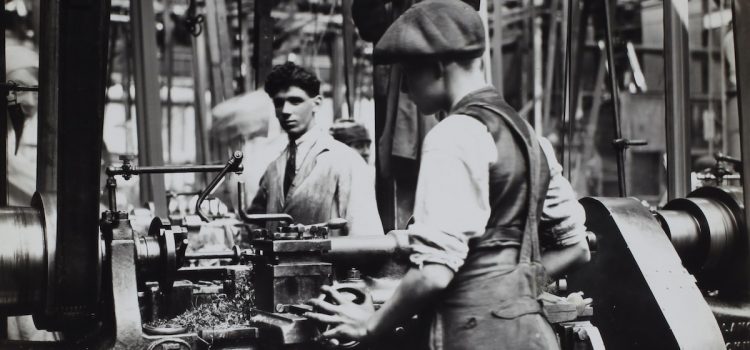
What’s Max Weber’s “iron cage”? Was his analysis and prediction about the modern world accurate? Max Weber’s classic work The Protestant Ethic and the Spirit of Capitalism discusses the socio-economic and religious roots of modern capitalism—and of our productivity-focused culture. He ends the book with a reflection on the materialist bent of the modern world. Let’s take a look at Weber’s view, Steven Pinker’s perspective, and some wisdom from a Chinese proverb.

Max Weber: Capitalism Arose From the Protestant Ethic

Max Weber: Capitalism Arose From the Protestant Ethic

What’s Max Weber’s theory about the origins of capitalism? How does it compare to Karl Marx’s theory? According to Max Weber, capitalism became a global economy because of the work ethic of Protestants in America and western Europe. This is the argument he presents in his classic work The Protestant Ethic and the Spirit of Capitalism. Keep reading to learn more about Weber’s theory about the rise of capitalism.

How the Spirit of Capitalism Arose From the Protestant Ethic

How the Spirit of Capitalism Arose From the Protestant Ethic

How did capitalism take hold as a major world economy? How much of an influence did religion have? Max Weber argued in his 1905 classic that the early Protestants in western Europe and America pioneered the way of life that became the modern capitalist’s lifestyle. And, in doing so, they provided the cultural and financial impetus for capitalism to become a full-fledged economic system. Continue reading to learn how the spirit of capitalism arose from the Protestant ethic.

How to Tackle Global Warming Without Sacrificing Development

How to Tackle Global Warming Without Sacrificing Development

Can global warming be tackled without sacrificing economic growth? What are some ways we can address global warming without reducing our energy demand? According to Bill Gates, global warming shouldn’t be the reason to halt economic growth, especially in developing countries. We can find ways to offset the effects of global warming without reducing global energy needs. Here’s how to tackle global warming without sacrificing development, according to Bill Gates.

How the Calvinist Work Ethic Changed the World

How the Calvinist Work Ethic Changed the World

What’s the Calvinist work ethic? Where did it come from, and how did it shape society? According to Max Weber, John Calvin’s doctrine of predestination created the Calvinist work ethic. Weber contends that it was this value (which he commonly refers to as “the Protestant ethic”) that gave rise to capitalism as a world economy. Keep reading to understand Weber’s argument.

Max Weber Quotes From The Protestant Ethic, Explained

Max Weber Quotes From The Protestant Ethic, Explained

What are some of the best Max Weber quotes from The Protestant Ethic? What captures Weber’s message? The Protestant Ethic and the Spirit of Capitalism discusses the socio-economic and religious roots of modern capitalism—and of our productivity-focused culture. Max Weber argues that the Protestant Reformation changed how people lived, worked, and used their money. Continue reading for six quotes from this classic work.

Bill Gates: Curbing Air Conditioning’s Carbon Footprint

Bill Gates: Curbing Air Conditioning’s Carbon Footprint

How does air conditioning contribute to global warming? What can we do to curb the rise in CO2 emissions resulting from air conditioning technology? As the planet warms, the use of cooling technology will increase. According to Bill Gates, the demand for air conditioning will triple by 2050, which means carbon emissions will also triple unless we step in to offset the damage. Here are some potential solutions Gates suggests for curbing air conditioning’s carbon footprint.

Max Weber’s The Protestant Ethic and the Spirit of Capitalism

Max Weber’s The Protestant Ethic and the Spirit of Capitalism

What’s “the Protestant ethic”? How did it give rise to modern capitalism? In The Protestant Ethic and the Spirit of Capitalism, Max Weber contends that the Protestants’ way of life laid the seeds for capitalism to emerge as a full-fledged economic system. His argument in The Protestant Ethic is considered a classic and is often compared to Karl Marx’s writings on the economic origins of capitalism. Keep reading for an overview of Weber’s argument presented in the book.

Is Inflation Good? It Depends Who You Ask

Is Inflation Good? It Depends Who You Ask

Is inflation good? Who is it bad for? what are the possible benefits? Economists disagree on whether or not inflation is a good thing. Some point out that it makes debt manageable, keeps housing prices in check, and allows the Federal Reserve to regulate interest rates. But others worry that it erodes purchasing power more than increased wages can support. Keep reading to find it if inflation could, in fact, personally benefit you.

Is There a Worker Shortage? (Why It May Be a Myth)

Is There a Worker Shortage? (Why It May Be a Myth)

Why is there a worker shortage? Is the news exaggerating the shortage? The news surrounding the global worker shortage shows that demand is currently rising for goods and services, but many people who lost jobs during the pandemic are no longer seeking them. Because of the unique nature of this downturn in employment, there are many factors that might be holding people back from work. Read on to learn why there is a worker shortage and why it could also just be a media myth.