
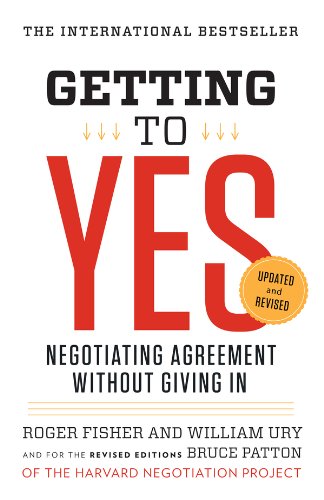
This article is an excerpt from the Shortform summary of "Getting to Yes" by Roger Fisher and William Ury. Shortform has the world's best summaries of books you should be reading.
Like this article? Sign up for a free trial here .
The most successful agreements are rarely won on facts and figures alone. Mastering emotions in negotiation is the “secret weapon” of high-stakes communicators, as it allows you to separate the human ego from the technical problem at hand. By understanding the psychological drivers behind every demand, you can turn potential conflict into a collaborative win-win scenario.
This guide explores the core principles from the book Getting to Yes, offering actionable strategies to handle high-pressure situations with emotional intelligence. Whether you’re navigating a complex corporate deal or a personal dispute, learning to manage your emotions during negotiations will ensure you protect your long-term relationships while still achieving your substantive goals.
Originally Published: September 29, 2019
Last Updated: January 15, 2026
Table of Contents
Don’t Make Negotiations Personal
In their book Getting to Yes, Roger Fisher and William Ury note that, to achieve these goals, you must disentangle emotional human dynamics from the problem you’re trying to solve. People bring their feelings and insecurities to the negotiating table—and, while positive emotions can foster a good working relationship, misunderstandings can quickly spark negative reactions.
Because feelings often get intertwined with the substance of the discussion, handling people with care is a prerequisite for success. Even when you think you’re simply flagging a concern—such as telling your roommate, “The kitchen is a mess”—they might hear it as an accusation of being lazy. When emotions get tangled with the issue this way, productive problem-solving becomes nearly impossible.
(Shortform note: Although it’s important to be respectful of one another in negotiations to preserve a good relationship, you both need to be mindful of being superficially accommodating. People often give vaguely affirmative responses (“Sure, I think I can do that”) even when they really want to say “No.” This is related to a personality trait called agreeableness. People who rank high on the agreeability scale have a strong desire to get along with others, and they often have an extreme fear of being disliked. This leads them to say what they think you want to hear and means they’ll make commitments they don’t actually intend to honor. Ironically, it’s this very fear of disappointing others and damaging relationships that leads to damaged relationships.)
Negotiations Are Guided by Emotions
In Never Split the Difference, Voss writes that, contrary to Fisher and Ury’s advice, you can’t remove human emotions from your negotiation. He says human beings are inherently irrational and impulsive—willing to make decisions with incomplete information and disregard for our own basic material interests if the decision satisfies a deeper emotional need. He argues that most people have two basic emotional needs: 1) to feel secure and 2) to feel in control. Successful negotiations, then, must navigate these basic emotional truths.
Voss describes this approach as being in stark contrast to what he sees as Fisher and Ury’s core premise: that human beings are inherently rational. He describes the Fisher-Ury model as one in which two parties engage in a shared act of problem-solving, each of them trying to get to a mutually beneficial settlement. Voss contends that this kind of fair and rationally ordered negotiation rarely happens in practice—because people are so driven by emotion and impulse that they struggle to even identify what constitutes a “win” for them, let alone work with someone else to achieve one.
Distinguish the Substance From the Relationship
Negotiators are always dealing with two issues: the substance (the profit, the terms, the “win”) and the relationship.
Most negotiations involve a long-term relationship that’s important to maintain, such as union members and bosses working together for company stability. In some instances, the relationship may be more important than the immediate results. Positional bargaining tends to pit people against each other, leading one side to feel the other doesn’t care about the relationship.
However, dealing with differences of substance needn’t conflict with a good relationship if the parties are committed to treating them separately. Deal with hurt feelings or anger directly rather than trying to appease an aggrieved person by making a concession on substance.
6 Tips for Dealing With Emotions in Negotiation
People often come to the table feeling defensive or threatened. To prevent an impasse, consider the following strategies for managing the emotional climate.
1. Be Aware of the Emotions on Both Sides
Start by assessing your own feelings and those of the other side. Treat them as humans with feelings, not “hired guns” for an organization. Consider what’s generating the emotions; why do people feel as they do?
2. Pay Attention to Five Underlying Concerns
Emotions in negotiations are typically driven by five core interests:
- Autonomy: The ability to make choices and control what happens to you.
- Appreciation: Feeling valued and respected.
- Affiliation: The desire to be accepted by peers.
- Role: Having a meaningful function or purpose.
- Status: Having your role and value acknowledged.
3. Don’t Challenge How People See Themselves
Avoid threats to identity or self-image. We all carry self-perceptions: “I’m a fair-minded person” or “I’m a competent manager.” When you point out contradictions or flaws, people feel attacked and lash out. If you sense you’ve “stepped in something” or hit a nerve, rephrase your point or try a different angle.
| “Vertical” and “Horizontal” Traits in Identity Formation Core beliefs speak to our identity—our sense of how we understand and define ourselves. In Far From the Tree, psychologist Andrew Solomon writes that the formation of identity is a complex, lifelong process with two components. He calls traits we inherit from our parents “vertical identities.” These are the characteristics passed down through families, like race, native language, and often religion. In contrast, “horizontal identities” come from traits that make children different from their parents. Horizontal identities present a unique challenge: When children have traits their parents don’t share, they can feel isolated. From a young age, these children must look beyond their immediate family for validation and understanding of crucial aspects of who they are. Solomon explains that when others reject or fail to understand our differences, we struggle to integrate these aspects into our identity, often developing internalized stigma and low self-esteem. |
4. Talk Openly and Address Feelings Head-On
Fisher and Ury write that naming the “emotional elephant in the room” makes conversations more constructive. Acknowledge emotions as legitimate. For example, if a contractor is late on a kitchen renovation, instead of exploding, you might say: “I’m really frustrated about these delays because we have family coming soon. I know you’re dealing with pressures, too, but I need us to figure out a path forward.” This allows the other side to feel heard rather than attacked, clearing the air for problem-solving.
| Labeling Emotions and Anticipating Accusations In Never Split the Difference, Voss recommends using some specific tactics during negotiation to address difficult emotions head-on: labeling and anticipating accusations. Labeling is simply identifying and vocalizing someone else’s emotion. Voss writes that it’s a valuable shortcut to building intimacy, because it demonstrates insight and empathy on your part, builds essential rapport, and doesn’t require you to give up anything. Identifying the other person’s emotions requires being perceptive and on the lookout for physical and verbal cues. Things like nervous hand gestures or sweating, for example, can be signs of anxiety. Once you’ve figured out what your counterpart’s feeling, vocalize it back to them. Voss advises negotiators to always phrase labels to begin with neutral, qualified, distancing statements like, “It seems like,” “It looks like,” or “It sounds like.” Starting with these third-party labels also gives you some plausible deniability. If the other person says that your emotional labeling of their anger, for example, is incorrect, you can always respond with something like, “I didn’t say you were angry. I said it seemed like you were angry.” Voss further writes that anticipating accusations is a twist on labeling, in which you vocalize your counterpart’s negative emotions—but about you specifically. When anticipating accusations, list every bad thing your counterpart could say about you at the beginning of the negotiation. This defuses the situation immediately and puts it all out in the open. This might sound like, “I know I didn’t hand in that sales report on time. You probably think I’m lazy, uncommitted, inattentive to detail, and that I don’t care about wasting your time or everybody else’s.” By doing so, you’ll actually trigger their innate human empathy by making them reassure you that you’re not as bad as you’ve portrayed yourself. Your counterpart might respond to the above accusation audit by saying, “OK look, I don’t think you’re lazy or that you don’t care. This was definitely a mistake but let’s try and fix it.” Voss writes that this resets the negotiating dynamic because we all have an inherent need to forge some kind of connection to the person across the table—and by anticipating their accusations, you’ve forced them to make the next move in building that empathy. |
5. Let Them Vent Without Pushback
People find relief in voicing their grievances. When someone has an emotional outburst, don’t respond defensively and don’t interrupt—simply listen. Establishing a rule of letting only one person vent at a time can keep the conversation from spiraling off track.
(Shortform note: Beware, however, if you’re the one tempted to vent in a negotiation. While you might feel relief, some research suggests that anger alters how you process information and evaluate options. Specifically, anger degrades the quality of strategic choices, pushing you toward action and away from thorough analysis. When angry, you’re more likely to rely on mental shortcuts and stereotypes rather than carefully weighing information. When you’re in a state like this, you’re probably overlooking nuances and alternative perspectives that might otherwise inform better judgment.)
6. Use Small Gestures to Affirm Others
Small actions—shaking hands, eating together, or offering a sincere apology—can have a huge impact. These gestures cost nothing but greatly improve the atmosphere by honoring the human connection.
Now You’re Ready to Move On
By addressing emotions in negotiation, you can finally move to the next step of interest-based negotiation: discovering their true needs. A counterpart’s professed “needs” are often just the tip of the iceberg. Beneath them are real worries, hopes, and concerns. Once the emotional walls are down, you can zero in on the actual needs you both want to meet.
| “That’s Right”: Getting Affirmation From Your Counterpart In Never Split the Difference, Voss writes that one way to unearth your counterpart’s true needs is to make some statement about their feelings or motivations designed to receive a positive affirmation from them. He describes the two best words you can hope to hear in any negotiation are: “That’s right,” because they signal that your counterpart has embraced what you’ve said and is crediting you with seeing things their way. Once you’ve achieved this, writes Voss, your counterpart will feel like you’re someone who understands and respects their needs and point of view. Beyond just putting them in a more positive emotional frame of mind, “That’s right” also gives you an important strategic advantage. You now have your counterpart’s self-confirmed view of the situation. This gives you a valuable window into their true motivations and desires. By saying “That’s right,” they’ve stated their position unequivocally—which you can now use to commit them to your preferred course of action. |
Frequently Asked Questions About Emotions in Negotiation
- How do emotions affect the negotiation process? Emotions can be a double-edged sword. Positive emotions, like feeling respected or appreciated, help build the trust necessary for a smooth agreement. Negative emotions, however, can lead to misunderstandings, defensive behavior, and even a total impasse. When emotions are high, negotiators often stop listening and start focusing on protecting their ego rather than solving the problem.
- What is the “People vs. Problem” principle in negotiation? This principle, popularized by Getting to Yes, suggests that you should “separate the people from the problem.” It means addressing substantive issues (like price or deadlines) separately from the relationship and human emotions involved. By being “soft on the people and hard on the problem,” you can maintain a working relationship without sacrificing your goals.
- What are the five core concerns that drive emotions in negotiation? Most emotional reactions in a negotiation stem from five underlying interests:
- Autonomy: The desire to make your own choices.
- Appreciation: The need to feel heard and valued.
- Affiliation: The desire to be treated as a colleague or partner.
- Role: Having a purpose that feels meaningful.
- Status: Recognition of your standing or expertise.
- How should you handle an angry counterpart? The most effective way to handle anger is to allow the other person to vent without pushback. Avoid responding defensively or interrupting. By acknowledging their feelings as legitimate—without necessarily agreeing with their substantive demands—you can “clear the air” and transition the conversation back to a proactive, problem-solving state.
———End of Preview———
Like what you just read? Read the rest of the world's best summary of "Getting to Yes" at Shortform . Learn the book's critical concepts in 20 minutes or less .
Here's what you'll find in our full Getting to yes summary :
- Why the standard way of negotiating is completely wrong
- How to find outcomes that are wins for both sides
- How to protect yourself against aggressive negotiators