We've ranked the best nutrition books using expert recommendations, sales data, and millions of reader ratings. At Shortform, we know books. Our book guides are the best in the world. Learn why.
Cover unavailable
1
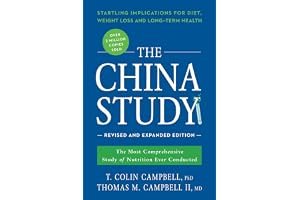
The China Study: Revised and Expanded Edition: The Most Comprehensive Study of Nutrition Ever Conducted and the Startling Implications for Diet, Weight Loss, and Long-Term Health
The revised and expanded edition of the bestseller that changed millions of lives
The science is clear. The results are unmistakable.
You can dramatically reduce your risk of cancer, heart disease, and diabetes just by changing your diet.
More than 30 years ago, nutrition researcher T. Colin Campbell and his team at Cornell, in partnership with teams in China and England, embarked upon the China Study, the most comprehensive study ever undertaken of the relationship between diet and the risk of developing disease. What they found when combined with findings in Colin’s laboratory, opened their eyes to the dangers of a diet high in animal protein and the unparalleled health benefits of a whole foods, plant-based diet.
In 2005, Colin and his son Tom, now a physician, shared those findings with the world in The China Study, hailed as one of the most important books about diet and health ever written.
Featuring brand new content, this heavily expanded edition of Colin and Tom’s groundbreaking book includes the latest undeniable evidence of the power of a plant-based diet, plus updated information about the changing medical system and how patients stand to benefit from a surging interest in plant-based nutrition.
The China Study—Revised and Expanded Edition presents a clear and concise message of hope as it dispels a multitude of health myths and misinformation. The basic message is clear. The key to a long, healthy life lies in three things: breakfast, lunch, and dinner.
…
Recommended by Ev Williams and Aimée Lyn Inhc.
Aimée Lyn Inhc
Best book I’ve ever read. https://t.co/pc68Yvw7U8 [source]
Cover unavailable
2
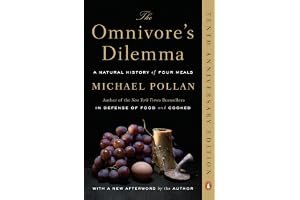
The Omnivore's Dilemma: A Natural History of Four Meals
What should we have for dinner? For omnivore's like ourselves, this simple question has always posed a dilemma: When you can eat just about anything nature (or the supermarket) has to offer, deciding what you should eat will inevitably stir anxiety, especially when some of the foods on offer might shorten your life. Today, buffeted by one food fad after another, America is suffering from what can only be described as a national eating disorder. The omnivore's dilemma has returned with a vengeance, as the cornucopia of the modern American supermarket and fast-food outlet confronts us with a bewildering and treacherous food landscape. What's at stake in our eating choices is not only our own and our children's health, but the health of the environment that sustains life on earth.
The Omnivore's Dilemma is a groundbreaking book in which one of America's most fascinating, original, and elegant writers turns his own omnivorous mind to the seemingly straightforward question of what we should have for dinner. The question has confronted us since man discovered fire, but, according to Michael Pollan, the bestselling author of The Botany of Desire, how we answer it today, ath the dawn of the twenty-first century, may well determine our very survival as a species. Should we eat a fast-food hamburger? Something organic> Or perhaps something we hunt, gather or grow ourselves?
To find out, Pollan follows each of the food chains that sustain us--industrial food, organic or alternative food, and food we forage ourselves--from the source to a final meal, and in the process develops a definitive account of the American way of eating. His absorbing narrative takes us from Iowa cornfields to food laboratories, from feedlots and fast-food restaurants to organic farms and hunting grounds, always emphasizing our dynamic coevolutionary relationship with the handful of plant and animal species we depend on. Each time Pollan sits down to a meal, he deploys his unique blend of personal and investigative journalism to trace the origins of everything consumed, revealing what we unwittingly ingest and explaining how our taste for particular foods and flavors reflects our evolutionary inheritance.
The surprising answers Pollan offers to the simple question posed by this book have profound political, economic, psychological, and even mortal implications for all of us. Ultimately, this is a book as much about visionary solutions as it is about problems, and Pollan contends that, when it comes to food, doing the right thing often turns out to be the tastiest thing an eater can do. Beautifully written and thrillingly argued, The Omnivore's Dilemma promises to change the way we think about the politics and pleasure of eating. For anyone who reads it, dinner will never again look, or taste, quite the same. --jacket
…
Recommended by Barry Estabrook, Gabriel Coarna, Paul Rozin, and 1 others.
Barry Estabrook
Michael Pollan looks at food production through four meals. One is a fast-food meal, the other is an industrial-scale organic meal, then there is a small-scale organic meal and finally he actually goes out and either grows or kills, in the case of the meat, the entire meal himself. That is the narrative. [source]
Gabriel Coarna
Michael Pollan's "The Omnivore's Dilemma" --more precisely, the first 3rd of it-- was what first made me realize how badly the Earth, as an ecosystem, is out of balance. [source]
Paul Rozin
Michael Pollan is an excellent journalist who specializes in the food domain.He proposes relying more on whole foods and less on processed foods, like Oreo Cookies. He argues that unprocessed foods are more nutritious, more wholistic and better for the environment. [source]

Cover unavailable
3
How Not to Die: Discover the Foods Scientifically Proven to Prevent and Reverse Disease
From the physician behind the wildly popular website NutritionFacts.org, How Not to Die reveals the groundbreaking scientific evidence behind the only diet that can prevent and reverse many of the causes of disease-related death.
The vast majority of premature deaths can be prevented through simple changes in diet and lifestyle. In How Not to Die, Dr. Michael Greger, the internationally-renowned nutrition expert, physician, and founder of NutritionFacts.org, examines the fifteen top causes of premature death in America -- heart disease, various cancers, diabetes, Parkinson's, high blood pressure, and more -- and explains how nutritional and lifestyle interventions can sometimes trump prescription pills and other pharmaceutical and surgical approaches, freeing us to live healthier lives.
The simple truth is that most doctors are good at treating acute illnesses but bad at preventing chronic disease. The fifteen leading causes of death claim the lives of 1.6 million Americans annually. This doesn't have to be the case. By following Dr. Greger's advice, all of it backed up by strong scientific evidence, you will learn which foods to eat and which lifestyle changes to make to live longer.
History of prostate cancer in your family? Put down that glass of milk and add flaxseed to your diet whenever you can. Have high blood pressure? Hibiscus tea can work better than a leading hypertensive drug-and without the side effects. Fighting off liver disease? Drinking coffee can reduce liver inflammation. Battling breast cancer? Consuming soy is associated with prolonged survival. Worried about heart disease (the number 1 killer in the United States)? Switch to a whole-food, plant-based diet, which has been repeatedly shown not just to prevent the disease but often stop it in its tracks.
In addition to showing what to eat to help treat the top fifteen causes of death, How Not to Die includes Dr. Greger's Daily Dozen -- a checklist of the twelve foods we should consume every day. Full of practical, actionable advice and surprising, cutting edge nutritional science, these doctor's orders are just what we need to live longer, healthier lives.
…
Recommended by Mariana Camarena, Michael Greger, and Vegan Olive.
Mariana Camarena
This is the way I start my 2020, excited, motivated and thankful with Dr. Michael Greger for this book, a must for all my collegues around the world. Follow now 👉 @nutrition_facts 🙌 #NutricionActiva https://t.co/btEa9t0lWX [source]

Michael Pollan's last book, The Omnivore's Dilemma, launched a national conversation about the American way of eating; now In Defense of Food shows us how to change it, one meal at a time. Pollan proposes a new answer to the question of what we should eat that comes down to seven simple but liberating words: Eat food. Not too much. Mostly plants. Pollan's bracing and eloquent manifesto shows us how we can start making thoughtful food choices that will enrich our lives, enlarge our sense of what it means to be healthy, and bring pleasure back to eating.,,,
Today is World Book Day, a wonderful opportunity to address this #ChallengeRichard sent in by Mike Gonzalez of New Jersey: Make a list of your top 65 books to read in a lifetime. [source]

Henry Dimbleby
Pollan takes the science of food and shows where it’s been misapplied. [source]
Cover unavailable
5
The Obesity Code: Unlocking the Secrets of Weight Loss
Everything you believe about how to lose weight is wrong. Weight gain and obesity are driven by hormones—in everyone—and only by understanding the effects of insulin and insulin resistance can we achieve lasting weight loss.
In this highly readable and provocative book, Dr. Jason Fung sets out an original, robust theory of obesity that provides startling insights into proper nutrition. In addition to his five basic steps, a set of lifelong habits that will improve your health and control your insulin levels, Dr. Fung explains how to use intermittent fasting to break the cycle of insulin resistance and reach a healthy weight—for good.
…
Cover unavailable
6
Fast Food Nation: The Dark Side of the All-American Meal
Fast food has hastened the malling of our landscape, widened the chasm between rich and poor, fueled an epidemic of obesity, and propelled American cultural imperialism abroad. That's a lengthy list of charges, but here Eric Schlosser makes them stick with an artful mix of first-rate reportage, wry wit, and careful reasoning.
Schlosser's myth-shattering survey stretches from California's subdivisions where the business was born to the industrial corridor along the New Jersey Turnpike where many fast food's flavors are concocted. Along the way, he unearths a trove of fascinating, unsettling truths -- from the unholy alliance between fast food and Hollywood to the seismic changes the industry has wrought in food production, popular culture, and even real estate. (back cover)
…
Recommended by Richard Branson, Antonio Eram, Barry Estabrook, and 1 others.
Today is World Book Day, a wonderful opportunity to address this #ChallengeRichard sent in by Mike Gonzalez of New Jersey: Make a list of your top 65 books to read in a lifetime. [source]
Antonio Eram
This book was recommended by Antonio when asked for titles he would recommend to young people interested in his career path. [source]
Barry Estabrook
Eric Schlosser takes apart a single fast-food meal and shows not only how it affects our health but also how the people who serve it to you are treated. He also looks at how the people in the slaughterhouses working with the cattle are treated, and so it shows you the true picture of the all-American meal – burgers and fries. [source]
Cover unavailable
7
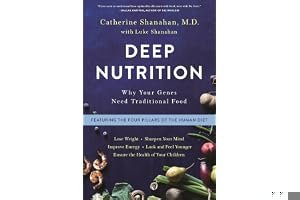
Deep Nutrition: How Traditional Foods Unlock Your Genetic Potential to Lose Weight, Sharpen Your Mind, Improve Energy, Look and Feel Younger, and Ensure the Health of Your Children
Catherine Shanahan
4.6
Deep Nutrition illustrates how our ancestors used nourishment to sculpt their anatomy, engineering bodies of extraordinary health and beauty. The length of our limbs, the shape of our eyes, and the proper function of our organs are all gifts of our ancestor's collective culinary wisdom. Citing the foods of traditional cultures from the Ancient Egyptians and the Maasai to the Japanese and the French, the Shanahans identify four food categories all the world's healthiest diets have in common, the Four Pillars of World Cuisine.
Using the latest research in physiology and genetics, Dr. Shanahan explains why your family's health depends on eating these foods. In a world of competing nutritional ideologies, Deep Nutrition gives us the full picture, empowering us to take control of our destiny in ways we might never have imagined.
…
Recommended by Dilip Cherian.
Dilip Cherian
@APompliano if you seriously care about your own future this is a must “devour” book #HealthyEating #nutrition https://t.co/fgplTOhG1e [source]
Cover unavailable
8
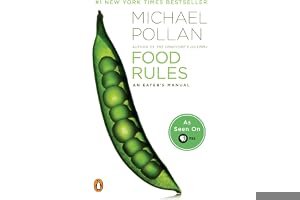
Food Rules: An Eater's Manual
Michael Pollan
4.5
A DEFINITIVE COMPENDIUM OF FOOD WISDOM
Eating doesn't have to be so complicated. In this age of ever-more elaborate diets and conflicting health advice, Food Rules brings a welcome simplicity to our daily decisions about food. Written with the clarity, concision and wit that has become bestselling author Michael Pollan's trademark, this indispensable handbook lays out a set of straightforward, memorable rules for eating wisely, one per page, accompanied by a concise explanation. It's an easy-to-use guide that draws from a variety of traditions, suggesting how different cultures through the ages have arrived at the same enduring wisdom about food. Whether at the supermarket or an all-you-can-eat buffet, this is the perfect guide for anyone who ever wondered, "What should I eat?"
…
Cover unavailable
9
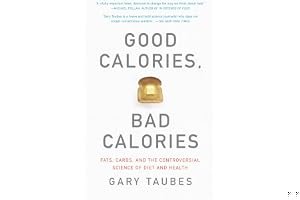
Good Calories, Bad Calories
Gary Taubes
4.5
Challenging the Conventional Wisdom on Diet, Weight, and Disease
In this groundbreaking book, the result of seven years of research in every science connected with the impact of nutrition on health, award-winning science writer Gary Taubes shows us that almost everything we believe about the nature of a healthy diet is wrong.
For decades we have been taught that fat is bad for us, carbohydrates better, and that the key to a healthy weight is eating less and exercising more. Yet with more and more people acting on this advice, we have seen unprecedented epidemics of obesity and diabetes. Taubes argues persuasively that the problem lies in refined carbohydrates (white flour, sugar, easily digested starches) and sugars–via their dramatic and longterm effects on insulin, the hormone that regulates fat accumulation–and that the key to good health is the kind of calories we take in, not the number. There are good calories, and bad ones.
Good Calories These are from foods without easily digestible carbohydrates and sugars. These foods can be eaten without restraint. Meat, fish, fowl, cheese, eggs, butter, and non-starchy vegetables.
Bad Calories These are from foods that stimulate excessive insulin secretion and so make us fat and increase our risk of chronic disease—all refined and easily digestible carbohydrates and sugars. The key is not how much vitamins and minerals they contain, but how quickly they are digested. (So apple juice or even green vegetable juices are not necessarily any healthier than soda.) Bread and other baked goods, potatoes, yams, rice, pasta, cereal grains, corn, sugar (sucrose and high fructose corn syrup), ice cream, candy, soft drinks, fruit juices, bananas and other tropical fruits, and beer.
Taubes traces how the common assumption that carbohydrates are fattening was abandoned in the 1960s when fat and cholesterol were blamed for heart disease and then –wrongly–were seen as the causes of a host of other maladies, including cancer. He shows us how these unproven hypotheses were emphatically embraced by authorities in nutrition, public health, and clinical medicine, in spite of how well-conceived clinical trials have consistently refuted them. He also documents the dietary trials of carbohydrate-restriction, which consistently show that the fewer carbohydrates we consume, the leaner we will be.
With precise references to the most significant existing clinical studies, he convinces us that there is no compelling scientific evidence demonstrating that saturated fat and cholesterol cause heart disease, that salt causes high blood pressure, and that fiber is a necessary part of a healthy diet. Based on the evidence that does exist, he leads us to conclude that the only healthy way to lose weight and remain lean is to eat fewer carbohydrates or to change the type of the carbohydrates we do eat, and, for some of us, perhaps to eat virtually none at all.
The 11 Critical Conclusions of Good Calories, Bad Calories:
1. Dietary fat, whether saturated or not, does not cause heart disease. 2. Carbohydrates do, because of their effect on the hormone insulin. The more easily-digestible and refined the carbohydrates and the more fructose they contain, the greater the effect on our health, weight, and well-being. 3. Sugars—sucrose (table sugar) and high fructose corn syrup specifically—are particularly harmful. The glucose in these sugars raises insulin levels; the fructose they contain overloads the liver. 4. Refined carbohydrates, starches, and sugars are also the most likely dietary causes of cancer, Alzheimer’s Disease, and the other common chronic diseases of modern times. 5. Obesity is a disorder of excess fat accumulation, not overeating and not sedentary behavior. 6. Consuming excess calories does not cause us to grow fatter any more than it causes a child to grow taller. 7. Exercise does not make us lose excess fat; it makes us hungry. 8. We get fat because of an imbalance—a disequilibrium—in the hormonal regulation of fat tissue and fat metabolism. More fat is stored in the fat tissue than is mobilized and used for fuel. We become leaner when the hormonal regulation of the fat tissue reverses this imbalance. 9. Insulin is the primary regulator of fat storage. When insulin levels are elevated, we stockpile calories as fat. When insulin levels fall, we release fat from our fat tissue and burn it for fuel. 10. By stimulating insulin secretion, carbohydrates make us fat and ultimately cause obesity. By driving fat accumulation, carbohydrates also increase hunger and decrease the amount of energy we expend in metabolism and physical activity. 11. The fewer carbohydrates we eat, the leaner we will be.
Good Calories, Bad Calories is a tour de force of scientific investigation–certain to redefine the ongoing debate about the foods we eat and their effects on our health.
Gary Taubes is a true empiricist. I can't believe people hold on to the Platonicity of the thermodynamic theory of diet (calorie in = calorie out). Read it twice, once for the diet, once a a rich document in the history of science. [source]
Zooko Wilcox
When it came out ten years ago, it was the definitive study of the history and science of human nutrition in the 20th century. [source]
Cover unavailable
10
Nutrition and Physical Degeneration
Weston A. Price and Price-Pottenger Nutrition Foundation
4.5
An epic study demonstrating the importance of whole food nutrition, and the degeneration and destruction that comes from a diet of processed foods.
For nearly 10 years, Weston Price and his wife traveled around the world in search of the secret to health. Instead of looking at people afflicted with disease symptoms, this highly-respected dentist and dental researcher chose to focus on healthy individuals, and challenged himself to understand how they achieved such amazing health. Dr. Price traveled to hundreds of cities in a total of 14 different countries in his search to find healthy people. He investigated some of the most remote areas in the world. He observed perfect dental arches, minimal tooth decay, high immunity to tuberculosis and overall excellent health in those groups of people who ate their indigenous foods. He found when these people were introduced to modernized foods, such as white flour, white sugar, refined vegetable oils and canned goods, signs of degeneration quickly became quite evident. Dental caries, deformed jaw structures, crooked teeth, arthritis and a low immunity to tuberculosis became rampant amongst them. Dr. Price documented this ancestral wisdom including hundreds of photos in his book, Nutrition and Physical Degeneration.
One book that immediately comes to mind is Nutrition And Physical Degeneration by Weston Price. Additionally, there have been a few books that have been instrumental in helping me figure out my role, purpose, and mission in life. [source]
Cover unavailable
11
Why We Get Fat: And What to Do About It
Gary Taubes
4.5
An eye-opening, myth-shattering examination of what makes us fat, from acclaimed science writer Gary Taubes.
In his New York Times best seller, Good Calories, Bad Calories, Taubes argued that our diet’s overemphasis on certain kinds of carbohydrates—not fats and not simply excess calories—has led directly to the obesity epidemic we face today. The result of thorough research, keen insight, and unassailable common sense, Good Calories, Bad Calories immediately stirred controversy and acclaim among academics, journalists, and writers alike. Michael Pollan heralded it as “a vitally important book, destined to change the way we think about food.”
Building upon this critical work in Good Calories, Bad Calories and presenting fresh evidence for his claim, Taubes now revisits the urgent question of what’s making us fat—and how we can change—in this exciting new book. Persuasive, straightforward, and practical, Why We Get Fat makes Taubes’s crucial argument newly accessible to a wider audience.
Taubes reveals the bad nutritional science of the last century, none more damaging or misguided than the “calories-in, calories-out” model of why we get fat, and the good science that has been ignored, especially regarding insulin’s regulation of our fat tissue. He also answers the most persistent questions: Why are some people thin and others fat? What roles do exercise and genetics play in our weight? What foods should we eat, and what foods should we avoid?
Packed with essential information and concluding with an easy-to-follow diet, Why We Get Fat is an invaluable key in our understanding of an international epidemic and a guide to what each of us can do about it.
…
Recommended by Dr. Monali Y. Desai.
Dr. Monali Y. Desai
I get most of my information about nutrition from medical studies. I haven’t read any books about nutrition that I agree with 100%. These are a few nutrition related books that I’ve read recently that I thought were interesting: Eat to Live (Joel Fuhrman), Why We Get Fat (Gary Taubes), and The 4-Hour Body (Tim Ferris). [source]
Cover unavailable
12
Salt Sugar Fat: How the Food Giants Hooked Us
Michael Moss
4.5
Every year, the average American eats 33 pounds of cheese and 70 pounds of sugar. They ingest 8,500 milligrams of salt a day, double the recommended amount, almost none of which comes from salt shakers. It comes from processed food, an industry that hauls in $1 trillion in annual sales.
In Salt Sugar Fat, Pulitzer Prize-winning investigative reporter Michael Moss shows how this happened. Featuring examples from some of the most recognizable (and profitable) companies and brands of the last half century--including Kraft, Coca-Cola, Lunchables, Kellogg, Nestlé, Oreos, Cargill, Capri Sun, and many more--
Moss’s explosive, empowering narrative is grounded in meticulous, often eye-opening research. He goes inside the labs where food scientists use cutting-edge technology to calculate the "bliss point" of sugary beverages or enhance the "mouth feel" of fat by manipulating its chemical structure. He unearths marketing techniques taken straight from tobacco company playbooks to redirect concerns about the health risks of products. He talks to concerned executives who explain that they could never produce truly healthy alternatives to their products even if serious regulation became a reality.
Simply put: the industry itself would cease to exist without salt, sugar, and fat.
…
Recommended by Sharon Hayes.
Sharon Hayes
@novenator @andrewmarsh6 @williamorr2110 @EmmaKinery Fat alone doesn't cause obesity. Excess calories do. This is science. There's a fantastic book called "Salt Sugar Fat" that looks at what the food industry does to get consumers hooked. [source]
Cover unavailable
13
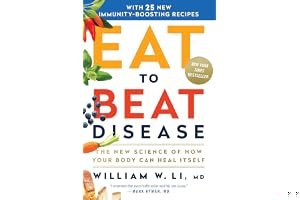
Eat to Live: The Amazing Nutrient-Rich Program For Fast and Sustained Weight Loss, Completely Revised and Updated
Joel Fuhrman MD
4.5
In this completely revised and updated version of Dr. Joel Fuhrman’s EAT TO LIVE: THE AMAZING NUTRIENT RICH PROGRAM FOR FAST AND SUSTAINED WEIGHT LOSS, Dr. Fuhrman offers his healthy, effective and scientifically proven plan for shedding radical amounts of weight quickly and keeping it off.
The EAT TO LIVE vook offers even more insight from Dr. Fuhrman with 13 videos in which he works with patients on losing weight and improving their lives by reversing disease and adopting healthier eating habits. Dr. Fuhrman takes us into his own kitchen to prepare his favorite high-nutrient foods and to the gym where he demonstrates easy to adopt workout techniques.
…
Recommended by Dr. Monali Y. Desai.
Dr. Monali Y. Desai
I get most of my information about nutrition from medical studies. I haven’t read any books about nutrition that I agree with 100%. These are a few nutrition related books that I’ve read recently that I thought were interesting: Eat to Live (Joel Fuhrman), Why We Get Fat (Gary Taubes), and The 4-Hour Body (Tim Ferris). [source]
Cover unavailable
14
Nourishing Traditions: The Cookbook That Challenges Politically Correct Nutrition and the Diet Dictocrats
Sally Fallon and Mary Enig
4.5
The Diet Dictocrats don't want you to know that... - Your body needs old-fashioned animal fats - New-fangled polyunsaturated oils can be bad for you - Modern whole grain products can cause health problems - Traditional sauces promote digestion and assimilation - Modern food processing denatures our foods but - Ancient preservation methods actually increase nutrients in fruits, nuts, vegetables, meats and milk products!
At last, a successful challenge to Politically Correct Nutrition and the Diet Dictocrats!
Recalling the culinary customs of our ancestors and looking ahead to a future of robust good health for young and old, Nourishing Traditions offers modern families a fascinating guide to wise food choices and proper preparation techniques. Nutrition researcher Sally Fallon unites the wisdom of the ancients with the latest independent and accurate scientific research. The revised and updated Second Edition contains over 700 delicious recipes that will please both exacting gourmets and busy parents.
…
Cover unavailable
15
Whole: Rethinking the Science of Nutrition
T. Colin Campbell and Howard Jacobson
4.5
New York Times Bestseller
What happens when you eat an apple? The answer is vastly more complex than you imagine.
Every apple contains thousands of antioxidants whose names, beyond a few like vitamin C, are unfamiliar to us, and each of these powerful chemicals has the potential to play an important role in supporting our health. They impact thousands upon thousands of metabolic reactions inside the human body. But calculating the specific influence of each of these chemicals isn’t nearly sufficient to explain the effect of the apple as a whole. Because almost every chemical can affect every other chemical, there is an almost infinite number of possible biological consequences.
And that’s just from an apple.
Nutritional science, long stuck in a reductionist mindset, is at the cusp of a revolution. The traditional �gold standard” of nutrition research has been to study one chemical at a time in an attempt to determine its particular impact on the human body. These sorts of studies are helpful to food companies trying to prove there is a chemical in milk or pre-packaged dinners that is �good” for us, but they provide little insight into the complexity of what actually happens in our bodies or how those chemicals contribute to our health.
In The China Study, T. Colin Campbell (alongside his son, Thomas M. Campbell) revolutionized the way we think about our food with the evidence that a whole food, plant-based diet is the healthiest way to eat. Now, in Whole, he explains the science behind that evidence, the ways our current scientific paradigm ignores the fascinating complexity of the human body, and why, if we have such overwhelming evidence that everything we think we know about nutrition is wrong, our eating habits haven’t changed.
Whole is an eye-opening, paradigm-changing journey through cutting-edge thinking on nutrition, a scientific tour de force with powerful implications for our health and for our world.
…
Cover unavailable
16
Wheat Belly: Lose the Wheat, Lose the Weight, and Find Your Path Back to Health
William Davis
4.5
Renowned cardiologist, William Davis, MD explains how eliminating wheat from our diets can prevent fat storage, shrink unsightly bulges, and reverse myriad health problems.
Every day, over 200 million Americans consume food products made of wheat. As a result, over 100 million of them experience some form of adverse health effect, ranging from minor rashes and high blood sugar to the unattractive stomach bulges that preventive cardiologist William Davis calls "wheat bellies." According to Davis, that excess fat has nothing to do with gluttony, sloth, or too much butter: It's due to the whole grain wraps we eat for lunch.
After witnessing over 2,000 patients regain their health after giving up wheat, Davis reached the disturbing conclusion that wheat is the single largest contributor to the nationwide obesity epidemic—and its elimination is key to dramatic weight loss and optimal health. In Wheat Belly, Davis exposes the harmful effects of what is actually a product of genetic tinkering and agribusiness being sold to the American public as "wheat"—and provides readers with a user-friendly, step-by-step plan to navigate a new, wheat-free lifestyle.
Informed by cutting-edge science and nutrition, along with case studies from men and women who have experienced life-changing transformations in their health after waving goodbye to wheat, WheatBelly is an illuminating look at what is truly making Americans sick and an action plan to clear our plates of this seemingly benign ingredient.
…
Cover unavailable
17
Grain Brain: The Surprising Truth about Wheat, Carbs, and Sugar--Your Brain's Silent Killers
David Perlmutter, Kristin Loberg
4.4
From#1 New York Times bestselling author Dr. Perlmutter, the devastating truth about the effects of wheat, sugar, and carbs on the brain, and a 4-week plan to achieve optimum health.
In Grain Brain, renowned neurologist David Perlmutter, MD, blows the lid off a finding that's been buried in medical literature for far too long: carbs are destroying your brain. Even so-called healthy carbs like whole grains can cause dementia, ADHD, anxiety, chronic headaches, depression, decreased libido, and much more.
Groundbreaking and timely, Grain Brain shows that the fate of your brain is not in your genes, it's in the food you eat. Dr. Perlmutter explains what happens when your brain encounters common ingredients in fruit bowls and bread, how statins may be erasing your memory, why a diet high in "good fats" is ideal, and how to spur the growth of new brain cells at any age. And his revolutionary 4-week plan will show you how to keep your brain healthy and sharp while dramatically reducing your risk for debilitating neurological disease -- without drugs.
Featuring a blend of cutting-edge research, real-life stories of transformation, and accessible, practical advice, Grain Brain teaches you how to take control of your "smart genes," regain wellness, and enjoy lifelong health and vitality.
…
Cover unavailable
18
Gut: The Inside Story of Our Body’s Most Underrated Organ
A cheeky up-close and personal guide to the secrets and science of our digestive system. For too long, the gut has been the body’s most ignored and least appreciated organ, but it turns out that it’s responsible for more than just dirty work: our gut is at the core of who we are. Gut: The Inside Story of our Body's Most Underrated Organ gives the alimentary canal its long-overdue moment in the spotlight. With quirky charm, rising science star Giulia Enders explains the gut’s magic, answering questions like: Why does acid reflux happen? What’s really up with gluten and lactose intolerance? How does the gut affect obesity and mood? Communication between the gut and the brain is one of the fastest-growing areas of medical research—on par with stem-cell research. Our gut reactions, we learn, are intimately connected with our physical and mental well-being. Aided with cheerful illustrations by Enders’s sister Jill, this beguiling manifesto will make you finally listen to those butterflies in your stomach: they’re trying to tell you something important.
…
Cover unavailable
19
Why We Sleep: Unlocking the Power of Sleep and Dreams
“Why We Sleep is an important and fascinating book…Walker taught me a lot about this basic activity that every person on Earth needs. I suspect his book will do the same for you.” —Bill Gates
A New York Times bestseller and international sensation, this “stimulating and important book” (Financial Times) is a fascinating dive into the purpose and power of slumber.
With two appearances on CBS This Morning and Fresh Air's most popular interview of 2017, Matthew Walker has made abundantly clear that sleep is one of the most important but least understood aspects of our life. Until very recently, science had no answer to the question of why we sleep, or what good it served, or why we suffer such devastating health consequences when it is absent. Compared to the other basic drives in life—eating, drinking, and reproducing—the purpose of sleep remains more elusive.
Within the brain, sleep enriches a diversity of functions, including our ability to learn, memorize, and make logical decisions. It recalibrates our emotions, restocks our immune system, fine-tunes our metabolism, and regulates our appetite. Dreaming creates a virtual reality space in which the brain melds past and present knowledge, inspiring creativity.
In this “compelling and utterly convincing” (The Sunday Times) book, preeminent neuroscientist and sleep expert Matthew Walker provides a revolutionary exploration of sleep, examining how it affects every aspect of our physical and mental well-being. Charting the most cutting-edge scientific breakthroughs, and marshalling his decades of research and clinical practice, Walker explains how we can harness sleep to improve learning, mood and energy levels, regulate hormones, prevent cancer, Alzheimer’s and diabetes, slow the effects of aging, and increase longevity. He also provides actionable steps towards getting a better night’s sleep every night.
Clear-eyed, fascinating, and accessible, Why We Sleep is a crucial and illuminating book. Written with the precision of Atul Gawande, Andrew Solomon, and Sherwin Nuland, it is “recommended for night-table reading in the most pragmatic sense” (TheNew York Times Book Review).
…
Recommended by Bill Gates, Brad Feld, Alexis Ohanian Sr., and 11 others.
Explains how neglecting sleep undercuts your creativity, problem solving, decision-making, learning, memory, heart health, brain health, mental health, emotional well-being, immune system, and even your life span. [source]
Brad Feld
Co-Founder/Foundry Group
Several friends, who know I both love to sleep and am intrigued with how sleep works, recommended that I read Why We Sleep: Unlocking the Power of Sleep and Dreams. It was excellent. While my self-assessment of my sleep habits are very positive, I learned a few things. More importantly, I now have a much better understanding of the “Why” surrounding sleep, especially around sleep’s importance to a healthy and long life. [source]

Alexis Ohanian Sr.
Agree! Best book I've read this year. Wasted so many hours just proving to myself I'd be the last one up working at @reddit and for what??? Stupid. Diminishing marginal returns after enough hours without sleep. https://t.co/cT7fDNBF3A [source]
Cover unavailable
20
The 4-Hour Body: An Uncommon Guide to Rapid Fat-Loss, Incredible Sex, and Becoming Superhuman
Thinner, bigger, faster, stronger... which 150 pages will you read?
Is it possible to: Reach your genetic potential in 6 months? Sleep 2 hours per day and perform better than on 8 hours? Lose more fat than a marathoner by bingeing? Indeed, and much more. This is not just another diet and fitness book.
The 4-Hour Body is the result of an obsessive quest, spanning more than a decade, to hack the human body. It contains the collective wisdom of hundreds of elite athletes, dozens of MDs, and thousands of hours of jaw-dropping personal experimentation. From Olympic training centers to black-market laboratories, from Silicon Valley to South Africa, Tim Ferriss, the #1 New York Times bestselling author of The 4-Hour Workweek, fixated on one life-changing question: For all things physical, what are the tiniest changes that produce the biggest results?
Thousands of tests later, this book contains the answers for both men and women.
From the gym to the bedroom, it’s all here, and it all works.
YOU WILL LEARN (in less than 30 minutes each): How to lose those last 5-10 pounds (or 100+ pounds) with odd combinations of food and safe chemical cocktails.
* How to prevent fat gain while bingeing (X-mas, holidays, weekends) * How to increase fat-loss 300% with a few bags of ice * How Tim gained 34 pounds of muscle in 28 days, without steroids, and in four hours of total gym time * How to sleep 2 hours per day and feel fully rested * How to produce 15-minute female orgasms * How to triple testosterone and double sperm count * How to go from running 5 kilometers to 50 kilometers in 12 weeks * How to reverse “permanent” injuries * How to add 150+ pounds to your lifts in 6 months * How to pay for a beach vacation with one hospital visit
And that's just the tip of the iceberg. There are more than 50 topics covered, all with real-world experiments, many including more than 200 test subjects.
You don't need better genetics or more discipline. You need immediate results that compel you to continue.
I probably have recommended The Art of Learning and The 4-Hour Body, I'm not kidding, more than any other books. [source]
Dr. Monali Y. Desai
I get most of my information about nutrition from medical studies. I haven’t read any books about nutrition that I agree with 100%. These are a few nutrition related books that I’ve read recently that I thought were interesting: Eat to Live (Joel Fuhrman), Why We Get Fat (Gary Taubes), and The 4-Hour Body (Tim Ferriss). [source]
Cover unavailable
21
The Big Fat Surprise: Why Butter, Meat and Cheese Belong in a Healthy Diet
Nina Teicholz
4.4
In The Big Fat Surprise, investigative journalist Nina Teicholz reveals the unthinkable: that everything we thought we knew about dietary fat is wrong. She documents how the low-fat nutrition advice of the past sixty years has amounted to a vast uncontrolled experiment on the entire population, with disastrous consequences for our health.
For decades, we have been told that the best possible diet involves cutting back on fat, especially saturated fat, and that if we are not getting healthier or thinner it must be because we are not trying hard enough. But what if the low-fat diet is itself the problem? What if the very foods we’ve been denying ourselves—the creamy cheeses, the sizzling steaks—are themselves the key to reversing the epidemics of obesity, diabetes, and heart disease?
In this captivating, vibrant, and convincing narrative, based on a nine-year-long investigation, Teicholz shows how the misinformation about saturated fats took hold in the scientific community and the public imagination, and how recent findings have overturned these beliefs. She explains why the Mediterranean Diet is not the healthiest, and how we might be replacing trans fats with something even worse. This startling history demonstrates how nutrition science has gotten it so wrong: how overzealous researchers, through a combination of ego, bias, and premature institutional consensus, have allowed dangerous misrepresentations to become dietary dogma.
With eye-opening scientific rigor, The Big Fat Surprise upends the conventional wisdom about all fats with the groundbreaking claim that more, not less, dietary fat—including saturated fat—is what leads to better health and wellness. Science shows that we have been needlessly avoiding meat, cheese, whole milk, and eggs for decades and that we can now, guilt-free, welcome these delicious foods back into our lives.
…
Cover unavailable
22
The Paleo Solution: The Original Human Diet
Robb Wolf, Loren Cordain
4.4
Do you want to lose fat and stay young, all while avoiding cancer, diabetes, heart disease, Parkinson's, Alzheimer's and a host of other illnesses? The Paleo Solution incorporates the latest, cutting edge research from genetics, biochemistry and anthropology to help you look, feel and perform your best. Written by Robb Wolf, a research biochemist who traded in his lab coat and pocket protector for a whistle and a stopwatch to become one of the most sought after strength and conditioning coaches in the world. With Robb's unique perspective as both scientist and coach you will learn how simple nutrition, exercise and lifestyle changes can radically change your appearance and health for the better.
I continue to give it to friends because it really helped me know what was healthy to eat and how our bodies process different foods. [source]
Cover unavailable
23
It Starts with Food: Discover the Whole30 and Change Your Life in Unexpected Ways
Melissa Hartwig, Dallas Hartwig
4.4
Imagine yourself healthier than you ever thought possible. It starts with food.
It Starts With Food outlines a clear, balanced, sustainable plan to change the way you eat forever—and transform your life in unexpected ways. Your success story begins with "The Whole30," Dallas and Melissa Hartwig's powerful 30-day nutritional reset.
Over the last three years, their underground Whole30 program has quietly led tens of thousands of people to weight loss, improved quality of life and a healthier relationship with food—accompanied by stunning improvements in sleep, energy levels, mood and self-esteem. More significantly, devotees of their program have reported the "magical" elimination of hundreds of lifestyle-related diseases and conditions.
Now, Dallas and Melissa detail the theories behind the Whole30, summarizing the science in a simple, accessible manner. It Starts With Food will show you how certain foods may be having negative effects on how you look, feel and live—in ways that you'd never associate with your diet. More importantly, they outline their life-long strategy for Eating Good Food in one clear and detailed action plan designed to help you create a healthy metabolism, heal your digestive tract, calm systemic inflammation and put an end to unhealthy cravings, habits, and relationships with food.
Infused with their signature wit, tough love and common sense approach, It Starts With Food is based on the latest scientific research and real-life experience, and includes success stories, a shopping guide, a meal planning template, a 30-day meal plan with creative, delicious recipes, and much more.
…
Cover unavailable
24
Prescription for Nutritional Healing
Phyllis A. Balch CNC
4.3
Prescription for Nutritional Healing is the nation's #1 bestselling guide to natural remedies. The new fifth edition incorporates the most recent information on a variety of alternative healing and preventive therapies and unveils new science on vitamins, supplements, and herbs.
With an A-to-Z reference to illnesses, updates include:
How omega-3 and exercise may help those suffering from Alzheimer's
Current information on the latest drug therapies for treating AIDs
What you need to know about H1N1 virus
Nutritional information for combating prostate cancer
Leading research on menopause and bio identical hormones
And much, much more
In the twenty years since the first edition was released, the natural health movement has gone mainstream, and the quest for optimal nutrition is no longer relegated to speciality stores. With more than 800 pages of comprehensive facts about all aspects of alternative ways to wellness, Prescription for Nutritional Healing, Fifth Edition, unites the best of age-old remedies with twenty-first- century science.
…
Cover unavailable
25
Eating Animals
Jonathan Safran Foer
4.3
Jonathan Safran Foer spent much of his life oscillating between enthusiastic carnivore and occasional vegetarian. Once he started a family, the moral dimensions of food became increasingly important. Faced with the prospect of being unable to explain why we eat some animals and not others, Foer set out to explore the origins of many eating traditions and the fictions involved with creating them. Traveling to the darkest corners of our dining habits, Foer raises the unspoken question behind every fish we eat, every chicken we fry, and every burger we grill. Part memoir and part investigative report, Eating Animals is a book that, in the words of the Los Angeles Times, places Jonathan Safran Foer "at the table with our greatest philosophers."
…
Recommended by Louise Gray.
Louise Gray
It’s a really powerful book and I know many people who it has made vegetarian. [source]
Cover unavailable
26
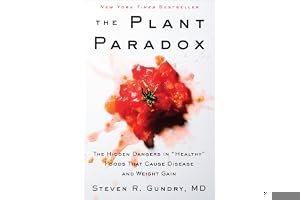
The Plant Paradox: The Hidden Dangers in "Healthy" Foods That Cause Disease and Weight Gain
From renowned cardiac surgeon Steven R. Gundry, MD, a revolutionary look at the hidden compounds in "healthy" foods like fruit, vegetables, and whole grains that are causing us to gain weight and develop chronic disease.
In the deadly game of predator versus prey, an adult gazelle can outrun a hungry lioness, a sparrow can take flight when stalked by a cat, and a skunk can let loose a spray of noxious liquid to temporarily blind a fox. The stakes aren’t always rigged against the prey. But when the prey is a plant, the poor thing is helpless, right? Wrong. Plants actually have an impressive array of defense tactics to protect themselves from predators of all shapes and sizes—including humans.
Dr. Stephen Gundry explains that these defense strategies make the seemingly virtuous plants that we consume every day—fruits, vegetables, grains, nuts, and seeds—far less "good for us" than we assume. Plants may use physical deterrents (think: the spine-tipped leaves of an artichoke or the hard outer coating of a seed) as well as chemical warfare to repel predators. One of the most common forms of plants’ chemical defense system comes in the form of proteins called lectins.
Found in the seeds, grains, skins, rinds, and leaves of most plants, lectins act as smart bombs in the human body, causing toxic or inflammatory reactions that lead to serious conditions such as leaky gut, autoimmune disease, chronic digestive disorders, heart disease, and weight gain.
In The Plant Paradox, Dr. Gundry outlines the health hazards posed by lectins as well as the ways we can avoid them. The main sources of lectins in the American diet include conventionally-raised dairy products, beans, and other legumes, wheat and grains, and specific vegetables and fruits. The simple (and daunting) fact is, lectins are everywhere. But in The Plant Paradox, Dr. Gundry provides simple hacks we easily can employ to avoid this insidious plant toxin, including:
Vegetables like tomatoes and peppers are full of lectins—but most are contained in the skin and seeds. Simply peeling and de-seeding your favorite veggies makes them safer to consume.
Plants want us to eat them when they’re ripe to disperse their seeds! Eating fruit at the peak of ripeness—that means fresh, local, and seasonal—ensure that you will consume fewer lectins.
Think "whole grains" are healthy? Think again. All of those grains and seeds with hard outer coatings are designed by nature to cause digestive distress—and are full of lectins. In fact, wheat contains one very famous lectin: gluten.
With a full list of lectin-containing foods and simple substitutes for each; a step-by-step detox and eating plan; and easy lectin-free recipes, The Plant Paradox illuminates the hidden dangers lurking in your salad bowl—and shows you how to eat whole foods in a whole new way.
He tells you plants are bad for you, essentially. And I don’t know what it is about this book, but it might be a little bit of hocus pocus, but I’m a full believer. [source]
Cover unavailable
27
How Not to Diet: The Groundbreaking Science of Healthy, Permanent Weight Loss
Discover the cutting-edge science behind long-term weight loss success, in this powerful new book from the New York Times bestselling author of How Not to Die.
Every month seems to bring a trendy new diet or weight loss fad—and yet obesity rates continue to rise, and with it a growing number of diseases and health problems. It’s time for a different approach.
Enter Dr. Michael Greger, the internationally-renowned nutrition expert, physician, and founder of Nutritionfacts.org. Author of the mega bestselling How Not to Die, Dr. Greger now turns his attention to the latest research on the leading causes—and remedies—of obesity.
Dr. Greger hones in on the optimal criteria to enable weight loss, while considering how these foods actually affect our health and longevity. He lays out the key ingredients of the ideal weight-loss diet—factors such as calorie density, the insulin index, and the impact of foods on our gut microbiome—showing how plant-based eating is crucial to our success.
But How Not to Diet goes beyond food to identify twenty-one weight-loss accelerators available to our bodies, incorporating the latest discoveries in cutting-edge areas like chronobiology to reveal the factors that maximize our natural fat-burning capabilities. Dr. Greger builds the ultimate weight loss guide from the ground up, taking a timeless, proactive approach that can stand up to any new trend.
Chock full of actionable advice and groundbreaking dietary research, How Not to Diet will put an end to dieting—and replace those constant weight-loss struggles with a simple, healthy, sustainable lifestyle.
…
Cover unavailable
28
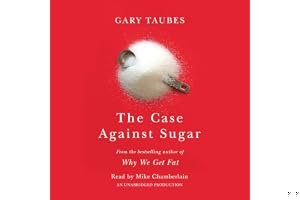
The Case Against Sugar
Gary Taubes
4.3
From the best-selling author of Why We Get Fat, a groundbreaking, eye-opening expose that makes the convincing case that sugar is the tobacco of the new millennium: backed by powerful lobbies, entrenched in our lives, and making us very sick.
Among Americans, diabetes is more prevalent today than ever; obesity is at epidemic proportions; nearly 10% of children are thought to have nonalcoholic fatty liver disease. And sugar is at the root of these, and other, critical society-wide, health-related problems. With his signature command of both science and straight talk, Gary Taubes delves into Americans' history with sugar: its uses as a preservative, as an additive in cigarettes, the contemporary overuse of high-fructose corn syrup. He explains what research has shown about our addiction to sweets. He clarifies the arguments against sugar, corrects misconceptions about the relationship between sugar and weight loss; and provides the perspective necessary to make informed decisions about sugar as individuals and as a society.
Not surprising but explicit description of the American psych on sugar and fat by the sugar industry. I would not have believed this much influence is possible. [source]
Cover unavailable
29
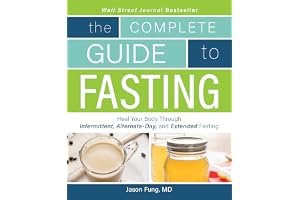
The Complete Guide to Fasting: Heal Your Body Through Intermittent, Alternate-Day, and Extended Fasting
Dr. Jason Fung and Jimmy Moore
4.3
Thousands of books have been written about the latest and greatest diets that will help people lose weight and improve health. But a key element in any successful nutritional health program is a tried-and-true method that most people haven't thought about—yet it could be revolutionary for taking health to the next level. This ancient secret is fasting.
Fasting is not about starving oneself. When done right, it's an incredibly effective therapeutic approach that produces amazing results regardless of diet plan. In fact, Toronto-based nephrologist Dr. Jason Fung has used a variety of fasting protocols with more than 1,000 patients, with fantastic success. In The Complete Guide to Fasting he has teamed up with international bestselling author and veteran health podcaster Jimmy Moore to explain what fasting is really about, why it's so important, and how to fast in a way that improves health. Together, they make fasting as a therapeutic approach both practical and easy to understand.
The Complete Guide to Fasting explains: why fasting is actually good for health who can benefit from fasting (and who won't) the history of fasting the various ways to fast: intermittent, alternate-day, and extended fasting what to expect when starting to fast how to track progress while fasting the weight loss effects of fasting how to ward off potential negative effects from fasting The book also provides tools to help readers get started and get through their fasts, including a 7-Day Kick-Start Fasting Plan and healing liquid recipes.
…
Cover unavailable
30
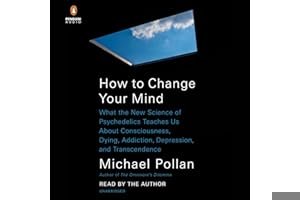
How to Change Your Mind: What the New Science of Psychedelics Teaches Us About Consciousness, Dying, Addiction, Depression, and Transcendence
Could psychedelic drugs change our worldview? One of America's most admired writers takes us on a mind-altering journey to the frontiers of human consciousness
When LSD was first discovered in the 1940s, it seemed to researchers, scientists and doctors as if the world might be on the cusp of psychological revolution. It promised to shed light on the deep mysteries of consciousness, as well as offer relief to addicts and the mentally ill. But in the 1960s, with the vicious backlash against the counter-culture, all further research was banned. In recent years, however, work has quietly begun again on the amazing potential of LSD, psilocybin and DMT. Could these drugs in fact improve the lives of many people? Diving deep into this extraordinary world and putting himself forward as a guinea-pig, Michael Pollan has written a remarkable history of psychedelics and a compelling portrait of the new generation of scientists fascinated by the implications of these drugs. How to Change Your Mind is a report from what could very well be the future of human consciousness.
Michael Pollan masterfully guides us through the highs, lows, and highs again of psychedelic drugs. How to Change Your mind chronicles how it’s been a longer and stranger trip than most any of us knew. [source]
Changed my mind, or at least some of the ideas held in my mind. [source]
Andrew Weil
Michael Pollan assembles a great deal of information here on the history, science, and effects of psychedelics. I found his frank recounting of his recent experiences with LSD, psilocybin, and toad venom most revealing. They appear to have softened his materialistic views and opened him to the possibilities of higher consciousness. He did, indeed, change his mind. [source]
Cover unavailable
31
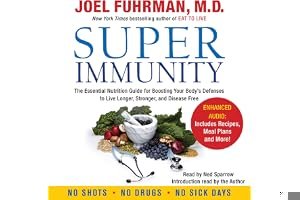
Super Immunity: The Essential Nutrition Guide for Boosting Your Body's Defenses to Live Longer, Stronger, and Disease Free
Joel Fuhrman
4.3
Why do some of us get sick with greater frequency than others? What makes us more susceptible to illness? Are we doomed to get sick when our coworkers and family members do? Is there a secret to staying healthy?
Joel Fuhrman, M.D., a leading expert and board-certified medical specialist in prevention and reversing disease, offers a comprehensive guide to superior health.
Based on the latest scientific research, Super Immunity shows us how we can become almost totally resistant to colds, influenza, and other infections.
The evidence is overwhelming: we can supercharge our immune system to protect our bodies against disease—everything from the common cold to cancer. Nutritional science has made phenomenal strides and discoveries in recent years, and when this new research is applied it enables us to seize control of our health like never before. Dr. Fuhrman explains this new science, providing everything you need to know to put this knowledge into action in your kitchen and in your life.
What we eat has everything to do with our health, and, unfortunately, too many of us are living with a severely depleted immune function. Our dietary choices are making us sicker, shortening our lives, and costing us billions of dollars in doctor visits, hospital stays, and prescription medications. But Dr. Fuhrman doesn’t believe more medical care is the answer. Rather, he explains the solution is to change the way we eat. The standard American diet is nutrient deficient. We are eating too many highly processed foods, foods with added sweeteners, and animal fats and protein. At the same time, we are not eating enough fruits, beans, seeds, and vegetables, which leaves us lacking in hundreds of the most important immune-building compounds. By changing our diets and combining foods that contain powerful immune-strengthening capabilities, we can prevent most common modern diseases.
Combining the latest data from clinical tests, nutritional research, and results from thousands of patients, Dr. Fuhrman proves that super immunity exists and is well within reach for those who choose it. We all have the ability to live healthier, stronger, and longer than ever before. Isn’t it time you dis-covered super immunity?
…
Cover unavailable
32
Healing With Whole Foods: Asian Traditions and Modern Nutrition
Paul Pitchford
4.3
Used as a reference by students of acupuncture, this is a hefty, truly comprehensive guide to the theory and healing power of Chinese medicine. It's also a primer on nutrition--including facts about green foods, such as spirulina and blue-green algae, and the "regeneration diets" used by cancer patients and arthritics--along with an inspiring cookbook with more than 300 mostly vegetarian, nutrient-packed recipes.
The information on Chinese medicine is useful for helping to diagnose health imbalances, especially nascent illnesses. It's smartly paired with the whole-foods program because the Chinese have attributed various health-balancing properties to foods, so you can tailor your diet to help alleviate symptoms of illness. For example, Chinese medicine dictates that someone with low energy and a pale complexion (a yin deficiency) would benefit from avoiding bitter foods and increasing "sweet" foods such as soy, black sesame seeds, parsnips, rice, and oats. (Note that the Chinese definition of sweet foods is much different from the American one!)
Pitchford says in his dedication that he hopes the reader finds "healing, awareness, and peace" from following his program. The diet is certainly acetic by American standards (no alcohol, caffeine, white flour, fried foods, or sugar, and a minimum of eggs and dairy) but the reasons he gives for avoiding these "negative energy" foods are compelling. From the adrenal damage imparted by coffee to immune dysfunction brought on by excess refined sugar, Pitchford spurs you to rethink every dietary choice and its ultimate influence on your health. Without being alarmist, he adds dietary tips for protecting yourself against the dangers of modern life, including neutralizing damage from water fluoridation (thyroid and immune-system problems may result; fluoride is a carcinogen). There's further reading on food combining, female health, heart disease, pregnancy, fasting, and weight loss. Overall, this is a wonderful book for anyone who's serious about strengthening his or her body from the inside out.
…
Cover unavailable
33
Fat Chance: Beating the Odds Against Sugar, Processed Food, Obesity, and Disease
Robert H. Lustig
4.3
Robert Lustig’s 90-minute YouTube video Sugar: The Bitter Truth, has been viewed more than two million times. Now, in this much anticipated book, he documents the science and the politics that has led to the pandemic of chronic disease over the last 30 years.
In the late 1970s when the government mandated we get the fat out of our food, the food industry responded by pouring more sugar in. The result has been a perfect storm, disastrously altering our biochemistry and driving our eating habits out of our control.
To help us lose weight and recover our health, Lustig presents personal strategies to readjust the key hormones that regulate hunger, reward, and stress; and societal strategies to improve the health of the next generation. Compelling, controversial, and completely based in science, Fat Chance debunks the widely held notion to prove “a calorie is NOT a calorie”, and takes that science to its logical conclusion to improve health worldwide.
…
Cover unavailable
34
Eat, Drink, and Be Healthy: The Harvard Medical School Guide to Healthy Eating
Walter Willett M.D. and P.J. Skerrett
4.3
In this revised and updated edition of the bestselling Eat, Drink, and Be Healthy, Dr. Walter Willett, for twenty-five years chair of the renowned Department of Nutrition at the Harvard T.H. Chan School of Public Health and Professor of Medicine at Harvard Medical School, draws on cutting-edge research to explain what the USDA guidelines have gotten wrong—and how you can eat right.
There’s an ever-growing body of evidence supporting the relatively simple principles behind healthy eating. Yet the public seems to be more confused than ever about what to eat. The never-ending promotion of celebrity and other fad diets gets in the way of choosing a diet that is healthy for both you and the planet that we all share.
So forget popular diets and food trends. Based on information gleaned from the acclaimed Nurses’ Health Study and Health Professionals Study, which have tracked the health and eating habits of thousands of women and men for more than thirty years, as well as other groundbreaking nutrition research, this revised and updated edition of Eat, Drink, and Be Healthy provides solid recommendations for eating healthfully and living better and longer.
Dr. Willett offers eye-opening new research on choosing foods with the best types of carbohydrates, fats, and proteins, and the relative importance of various food groups and supplements. He clearly explains why controlling weight, after not smoking, is the single most important factor for a long, healthy life; why eating some types of fat is beneficial, and even necessary, for good health; how to choose wisely between different types carbohydrates; how to pick the right protein “packages”; and what fruits and vegetables—not juices!—fight disease. Dr. Willett also translates this essential information into simple, easy-to-follow menu plans and tasty recipes. Revised and updated, this new edition of Eat, Drink, and Be Healthy is an important resource for every family.
…
Cover unavailable
35
Brain Maker: The Power of Gut Microbes to Heal and Protect Your Brain for Life
David Perlmutter, Kristin Loberg
4.3
The bestselling author of Grain Brain uncovers the powerful role of gut bacteria in determining your brain's destiny.
Debilitating brain disorders are on the rise-from children diagnosed with autism and ADHD to adults developing dementia at younger ages than ever before. But a medical revolution is underway that can solve this problem: Astonishing new research is revealing that the health of your brain is, to an extraordinary degree, dictated by the state of your microbiome - the vast population of organisms that live in your body and outnumber your own cells ten to one. What's taking place in your intestines today is determining your risk for any number of brain-related conditions.
In BRAIN MAKER, Dr. Perlmutter explains the potent interplay between intestinal microbes and the brain, describing how the microbiome develops from birth and evolves based on lifestyle choices, how it can become "sick," and how nurturing gut health through a few easy strategies can alter your brain's destiny for the better. With simple dietary recommendations and a highly practical program of six steps to improving gut ecology, BRAIN MAKER opens the door to unprecedented brain health potential.
…
Cover unavailable
36
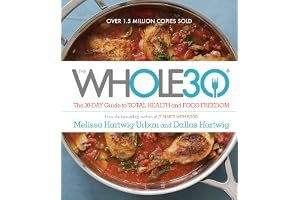
The Whole30: The 30-Day Guide to Total Health and Food Freedom
Melissa Hartwig Urban
4.3
Over 1.5 million copies sold!
Millions of people visit Whole30.com every month and share their dramatic life-changing testimonials. Get started on your Whole30 transformation with the #1 New York Times best-selling The Whole30.
Since 2009, Melissa Hartwig Urban's critically-acclaimed Whole30 program has quietly led hundreds of thousands of people to effortless weight loss and better health—along with stunning improvements in sleep quality, energy levels, mood, and self-esteem. The program accomplishes all of this by specifically targeting people’s habits and emotional relationships with food. The Whole30 is designed to help break unhealthy patterns of behavior, stop stress-related comfort eating, and reduce cravings, particularly for sugar and carbohydrates. Many Whole30 participants have described achieving “food freedom”—in just thirty days.
Now, The Whole30 offers a stand-alone, step-by-step plan to break unhealthy habits, reduce cravings, improve digestion, and strengthen your immune system. The Whole30 prepares participants for the program in five easy steps, previews a typical thirty days, teaches the basic meal preparation and cooking skills needed to succeed, and provides a month’s worth of recipes designed to build confidence in the kitchen and inspire the taste buds. Motivating and inspiring with just the right amount of signature tough love, The Whole30 features real-life success stories, an extensive quick-reference FAQ, detailed elimination and reintroduction guidelines, and more than 100 recipes using familiar ingredients, from simple one-pot meals to complete dinner party menus.
…
Cover unavailable
37
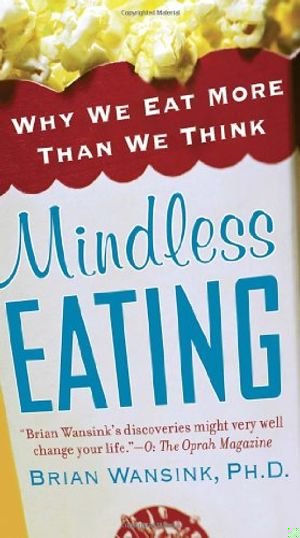
Mindless Eating: Why We Eat More Than We Think
Brian Wansink
4.3
This book will literally change the way you think about your next meal. Food psychologist Brian Wansink revolutionizes our awareness of how much, what, and why we’re eating—often without realizing it. His findings will astound you.
• Can the size of your plate really influence your appetite? • Why do you eat more when you dine with friends? • What “hidden persuaders” are used by restaurants and supermarkets to get us to overeat? • How does music or the color of the room influence how much—and how fast—we eat? • How can we “mindlessly” lose—instead of gain—up to twenty pounds in the coming year?
Starting today, you can make more mindful, enjoyable, and healthy choices at the dinner table, in the supermarket, at the office—wherever you satisfy your appetite.
A few months ago, I was drinking a Noah’s Mill whiskey (cute) with my good buddy Brian Balfour and talking about life... During the conversation, we got on the topic of books that changed our lives. I want to share them with you. I judge a book's success if a year later I'm still using at least 1 thing from the book. [source]
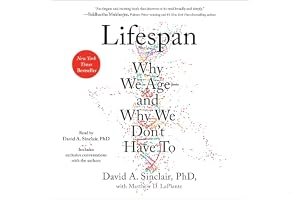
It’s a seemingly undeniable truth that aging is inevitable. But what if everything we’ve been taught to believe about aging is wrong? What if we could choose our lifespan?
In this groundbreaking book, Dr. David Sinclair, leading world authority on genetics and longevity, reveals a bold new theory for why we age. As he writes: “Aging is a disease, and that disease is treatable.”
This book takes us to the frontlines of research many from Dr. David Sinclair’s own lab at Harvard—that demonstrate how we can slow down, or even reverse, aging. The key is activating newly discovered vitality genes, the descendants of an ancient genetic survival circuit that is both the cause of aging and the key to reversing it.
Prepare to have your mind blown. You are holding in your hands the precious results of decades of work, as shared by Dr. David Sinclair, the rock star of aging and human longevity. [source]
Cover unavailable
39
The Starch Solution: Eat the Foods You Love, Regain Your Health, and Lose the Weight for Good!
John McDougall, Mary McDougall
4.2
A bestselling author’s groundbreaking eating plan that challenges the notion that starch is unhealthy
From Atkins to Dukan, the fear-mongering about carbs over the past few decades has reached a fever pitch; the mere mention of a starch-heavy food is enough to trigger a cavalcade of shame and longing.
In The Starch Solution, bestselling diet doctor and board-certified internist John A. McDougall, MD, and his kitchen-savvy wife, Mary, turn the notion that starch is bad for you on its head. The Starch Solution is based on a simple swap: fueling your body primarily with carbohydrates rather than proteins and fats. This will help you lose weight and prevent a variety of ills.
Fad diets come and go, but Dr. McDougall has been a proponent of the plant-based diet for decades, and his medical credibility is unassailable. He is one of the mainstay experts cited in the bestselling and now seminal China Study—called the “Grand Prix of epidemiology” by the New York Times. But what The China Study lacks is a plan.
Dr. McDougall grounds The Starch Solution in rigorous scientific fact and research, giving readers easy tools to implement these changes into their lifestyle with a 7-Day Quick Start Plan and 100 delicious recipes. This book includes testimonials from among the hundreds Dr. McDougall has received, including people who have lost more than 125 pounds in mere months as well as patients who have conquered lifethreatening illnesses such as diabetes and cardiac ailments.
…
Cover unavailable
40
Animal, Vegetable, Miracle: A Year of Food Life
Barbara Kingsolver
4.2
Author Barbara Kingsolver and her family abandoned the industrial-food pipeline to live a rural life—vowing that, for one year, they'd only buy food raised in their own neighborhood, grow it themselves, or learn to live without it. Part memoir, part journalistic investigation, Animal, Vegetable, Miracle is an enthralling narrative that will open your eyes in a hundred new ways to an old truth: You are what you eat.
…
Cover unavailable
41
Cooked: A Natural History of Transformation
Michael Pollan
4.2
In Cooked, Michael Pollan explores the previously uncharted territory of his own kitchen. Here, he discovers the enduring power of the four classical elements - fire, water, air, and earth - to transform the stuff of nature into delicious things to eat and drink. Apprenticing himself to a succession of culinary masters, Pollan learns how to grill with fire, cook with liquid, bake bread, and ferment everything from cheese to beer. In the course of his journey, he discovers that the cook occupies a special place in the world, standing squarely between nature and culture. Both realms are transformed by cooking, and so, in the process, is the cook.
Each section of Cooked tracks Pollan's effort to master a single classic recipe using one of the four elements. A North Carolina barbecue pit master tutors him in the primal magic of fire; a Chez Panisse-trained cook schools him in the art of braising; a celebrated baker teaches him how air transforms grain and water into a fragrant loaf of bread; and finally, several mad-genius "fermentos" (a tribe that includes brewers, cheese makers, and all kinds of picklers) reveal how fungi and bacteria can perform the most amazing alchemies of all. The listener learns alongside Pollan, but the lessons move beyond the practical to become an investigation of how cooking involves us in a web of social and ecological relationships: with plants and animals, the soil, farmers, our history and culture, and, of course, the people our cooking nourishes and delights. Cooking, above all, connects us.
The effects of not cooking are similarly far reaching. Relying upon corporations to process our food means we consume huge quantities of fat, sugar, and salt; disrupt an essential link to the natural world; and weaken our relationships with family and friends. In fact, Cooked argues, taking back control of cooking may be the single most important step anyone can take to help make the American food system healthier and more sustainable. Reclaiming cooking as an act of enjoyment and self-reliance, learning to perform the magic of these everyday transformations, opens the door to a more nourishing life.
…
Cover unavailable
42
Gut and Psychology Syndrome: Natural Treatment for Autism, ADD/ADHD, Dyslexia, Dyspraxia, Depression, Schizophrenia
Natasha Campbell-McBride
4.2
Gut and Psychology Syndrome provides the information you need to heal a damaged digestive system. The perfect book for anyone suffering from Autism, Dyslexia, Depression, Dyspraxia, ADD, ADHD, Schizophrenia, and any other condition that has a link with gut dysbiosis.
Cover unavailable
43
Eating on the Wild Side: The Missing Link to Optimum Health
Jo Robinson
4.2
The next stage in the food revolution--a radical way to select fruits and vegetables and reclaim the flavor and nutrients we've lost.
Ever since farmers first planted seeds 10,000 years ago, humans have been destroying the nutritional value of their fruits and vegetables. Unwittingly, we've been selecting plants that are high in starch and sugar and low in vitamins, minerals, fiber, and antioxidants for more than 400 generations.
EATING ON THE WILD SIDE reveals the solution--choosing modern varieties that approach the nutritional content of wild plants but that also please the modern palate. Jo Robinson explains that many of these newly identified varieties can be found in supermarkets and farmer's market, and introduces simple, scientifically proven methods of preparation that enhance their flavor and nutrition. Based on years of scientific research and filled with food history and practical advice, EATING ON THE WILD SIDE will forever change the way we think about food.
Winner of the 2014 IACP Cookbook Award in the category of "Food Matters."
…
Cover unavailable
44
What to Eat
Marion Nestle
4.2
Since its publication in hardcover last year, Marion Nestle's What to Eat has become the definitive guide to making healthy and informed choices about food. Praised as "radiant with maxims to live by" in The New York Times Book Review and "accessible, reliable and comprehensive" in The Washington Post, What to Eat is an indispensable resource, packed with important information and useful advice from the acclaimed nutritionist who "has become to the food industry what . . . Ralph Nader [was] to the automobile industry" (St. Louis Post-Dispatch).
How we choose which foods to eat is growing more complicated by the day, and the straightforward, practical approach of What to Eat has been praised as welcome relief. As Nestle takes us through each supermarket section—produce, dairy, meat, fish—she explains the issues, cutting through foodie jargon and complicated nutrition labels, and debunking the misleading health claims made by big food companies. With Nestle as our guide, we are shown how to make wise food choices—and are inspired to eat sensibly and nutritiously.
Now in paperback, What to Eat is already a classic—"the perfect guidebook to help navigate through the confusion of which foods are good for us" (USA Today).
…
Cover unavailable
45
Intuitive Eating
Evelyn Tribole
4.2
First published in 1995, Intuitive Eating has become the go-to book on rebuilding a healthy body image and making peace with food. We've all been there—angry with ourselves for overeating, for our lack of willpower, for failing at yet another diet. But the problem is not us; it's that dieting, with its emphasis on rules and regulations, has stopped us from listening to our bodies. Written by two prominent nutritionists, Intuitive Eating will teach you:
• How to reject diet mentality forever
• How our three Eating Personalities define our eating difficulties
• How to find satisfaction in your eating
• How to feel your feelings without using food
• How to honor hunger and feel fullness
• How to follow the ten principles of "Intuitive Eating",
• How to achieve a new and safe relationship with food and, ultimately, your body
• How to raise an "intuitive eater"–NEW!
• The incredible science behind intuitive eating–NEW!
This revised edition includes updates and expansions throughout, as well as two brand new chapters that will help readers integrate intuitive eating even more fully into their daily lives.
…
Cover unavailable
46
The Botany of Desire: A Plant's-Eye View of the World
Michael Pollan
4.2
Every schoolchild learns about the mutually beneficial dance of honeybees and flowers: The bee collects nectar and pollen to make honey and, in the process, spreads the flowers’ genes far and wide. InThe Botany of Desire, Michael Pollan ingeniously demonstrates how people and domesticated plants have formed a similarly reciprocal relationship. He masterfully links four fundamental human desires—sweetness, beauty, intoxication, and control—with the plants that satisfy them: the apple, the tulip, marijuana, and the potato. In telling the stories of four familiar species, Pollan illustrates how the plants have evolved to satisfy humankind’s most basic yearnings. And just as we’ve benefited from these plants, we have also done well by them. So who is really domesticating whom?
…
Recommended by David George Haskell and Kenneth Cox.
David George Haskell
Through the stories of four familiar plant species–apples, tulips, marijuana, and potatoes–he demolishes the erroneous impression that we’re in charge. [source]
Kenneth Cox
You can’t fail to be fascinated by this exposition of the motivations of plants to cuddle up to humans. One of several excellent Michael Pollan books, it’s a fun read. [source]
Cover unavailable
47
The Primal Blueprint: Reprogram Your Genes for Effortless Weight Loss, Vibrant Health, and Boundless Energy
Mark Sisson
4.2
Being healthy and fit has gone mainstream--millions sweat the calories away on the roads or in health clubs and scrutinize labels and menus trying to do the right thing to control weight, delay aging, and feel healthy, fit, and energetic. And it's simply not working. Rates of obesity, diabetes, arthritis, heart disease, and cancer continue to climb, and even the most committed fitness enthusiasts often carry 10 or 20 extra pounds of body fat.In this updated and expanded edition of the 2009 hardcover release from Mark Sisson, MarksDailyApple.com publisher and de-facto leader of the burgeoning primal/paleo/evolutionary health movement presents the compelling premise that you can reprogram your genes in the direction of weight loss, health, and longevity by following 10 immutable Primal laws validated by two million years of human evolution.
This 2012 paperback release contains extensive, never-before-published bonus material, including an incredible full-color, 16-page insert of seven Primal Blueprint reader success stories and their stunning before/after photos, pictorials, detailed descriptions and workout log pages for the Primal Essential Movements and Primal sprint workouts, hacks for each of the 10 Primal Blueprint lifestyle laws (to promote quick results in body composition, fitness, athletic performance, daily energy levels, and reduce disease risk factors and reliance on medication, solutions to common questions and stumbling blocks)-- pulled from Primal Blueprint reader submissions, and commentary on diets and dieting, including compare/contrast of Primal Blueprint with other popular programs.
Mark Sisson has got 10 basic ideas, including everything from avoiding the poisons in your diet to getting enough sunlight and play. [source]
Cover unavailable
48
Prevent and Reverse Heart Disease: The Revolutionary, Scientifically Proven, Nutrition-Based Cure
Caldwell B. Esselstyn Jr.
4.2
The New York Times bestselling guide to the lifesaving diet that can both prevent and help reverse the effects of heart disease Based on the groundbreaking results of his twenty-year nutritional study, Preventand Reverse Heart Disease by Dr. Caldwell Esselstyn illustrates that a plant-based, oil-free diet can not only prevent the progression of heart disease but can also reverse its effects. Dr. Esselstyn is an internationally known surgeon, researcher and former clinician at the Cleveland Clinic and a featured expert in the acclaimed documentary Forks Over Knives.Prevent and Reverse Heart Disease has helped thousands across the country, and is the book behind Bill Clinton’s life-changing vegan diet.
The proof lies in the incredible outcomes for patients who have followed Dr. Esselstyn's program, including a number of patients in his original study who had been told by their cardiologists that they had less than a year to live. Within months of starting the program, all Dr. Esselstyn’s patients began to improve dramatically, and twenty years later, they remain free of symptoms.
Complete with more than 150 delicious recipes perfect for a plant-based diet, the national bestseller Prevent and Reverse Heart Disease explains the science behind the simple plan that has drastically changed the lives of heart disease patients forever. It will empower readers and give them the tools to take control of their heart health.
…
Cover unavailable
49
Practical Paleo: A Customized Approach to Health and a Whole-Foods Lifestyle
Diane Sanfilippo, Bill Staley, Robb Wolf
4.2
Our great-grandmothers didn't need nutrition lessons—then again, they weren't forced to wade through aisle after aisle of packaged foods touting outlandish health claims and confusing marketing jargon. Over the last few decades, we've forgotten what "real food" is—and we're left desperately seeking foods that will truly nourish our bodies. We're disillusioned with the "conventional wisdom" for good reason—it's gotten us nowhere.
Achieving optimal health without calorie-counting, diet foods, or feelings of deprivation has never been easier. Practical Paleo explains why avoiding both processed foods and foods marketed as "healthy"—like grains, legumes, and pasteurized dairy—will improve how you look and feel and lead to lasting weight loss. Even better—you may reduce or completely eliminate symptoms associated with common health disorders!
Practical Paleo is jam-packed with over 120 easy recipes, all with special notes about common food allergens including nightshades and FODMAPs. Meal plans are also included, and are designed specifically to support:
immune health (autoimmune conditions) blood sugar regulation (diabetes 1 & 2, hypoglycemia) digestive health (leaky gut, IBS & IBD) multiple sclerosis, fibromyalgia, and chronic fatigue syndromethyroid health (hypo and hyper - Hashimotos, Graves) heart health (cholesterol & blood pressure) neurological health (Parkinson's & Alzheimer's) cancer recovery fat loss athletic performance a "squeaky-clean" Paleo approach
Practical Paleo is the resource you'll reach for again and again, whether you're looking for information on healthy living, delicious recipes, or easy-to-understand answers to your questions about how a Paleo lifestyle can benefit you, your family, and your friends.
…
Cover unavailable
50
The End of Overeating: Taking Control of the Insatiable American Appetite
David Kessler
4.2
Most of us know what it feels like to fall under the spell of food—when one slice of pizza turns into half a pie, or a handful of chips leads to an empty bag. But it’s harder to understand why we can't seem to stop eating—even when we know better. When we want so badly to say "no," why do we continue to reach for food?
Dr. David Kessler, the dynamic former FDA commissioner who reinvented the food label and tackled the tobacco industry, now reveals how the food industry has hijacked the brains of millions of Americans. The result? America’s number-one public health issue. Dr. Kessler cracks the code of overeating by explaining how our bodies and minds are changed when we consume foods that contain sugar, fat, and salt. Food manufacturers create products by manipulating these ingredients to stimulate our appetites, setting in motion a cycle of desire and consumption that ends with a nation of overeaters. The End of Overeating explains for the first time why it is exceptionally difficult to resist certain foods and why it’s so easy to overindulge.
Dr. Kessler met with top scientists, physicians, and food industry insiders. The End of Overeating uncovers the shocking facts about how we lost control over our eating habits—and how we can get it back. Dr. Kessler presents groundbreaking research, along with what is sure to be a controversial view inside the industry that continues to feed a nation of overeaters—from popular brand manufacturers to advertisers, chain restaurants, and fast food franchises.
For the millions of people struggling with weight as well as for those of us who simply don't understand why we can't seem to stop eating our favorite foods, Dr. Kessler’s cutting-edge investigation offers new insights and helpful tools to help us find a solution.
There has never been a more thorough, compelling, or in-depth analysis of why we eat the way we do.
…
Cover unavailable
51
The Very Hungry Caterpillar
Eric Carle
4.2
THE all-time classic story, from generation to generation, sold somewhere in the world every 30 seconds! Have you shared it with a child or grandchild in your life?
One sunny Sunday, the caterpillar was hatched out of a tiny egg. He was very hungry. On Monday, he ate through one apple; on Tuesday, he ate through three plums--and still he was hungry. When full at last, he made a cocoon around himself and went to sleep, to wake up a few weeks later wonderfully transformed into a butterfly!
The brilliantly innovative Eric Carle has dramatized the story of one of Nature's commonest yet loveliest marvels, the metamorphosis of the butterfly. This audiobook will delight as well as instruct the very youngest listener.
…
Cover unavailable
52
Genius Foods: Become Smarter, Happier, and More Productive While Protecting Your Brain for Life
Max Lugavere
4.2
New York Times Bestseller
Discover the critical link between your brain and the food you eat and change the way your brain ages, in thiscutting-edge, practical guide to eliminating brain fog, optimizing brain health, and achieving peak mental performance from media personality and leading voice in health Max Lugavere.
After his mother was diagnosed with a mysterious form of dementia, Max Lugavere put his successful media career on hold to learn everything he could about brain health and performance. For the better half of a decade, he consumed the most up-to-date scientific research, talked to dozens of leading scientists and clinicians around the world, and visited the country’s best neurology departments—all in the hopes of understanding his mother’s condition.
Now, in Genius Foods, Lugavere presents a comprehensive guide to brain optimization. He uncovers the stunning link between our dietary and lifestyle choices and our brain functions, revealing how the foods you eat directly affect your ability to focus, learn, remember, create, analyze new ideas, and maintain a balanced mood.
Weaving together pioneering research on dementia prevention, cognitive optimization, and nutritional psychiatry, Lugavere distills groundbreaking science into actionable lifestyle changes. He shares invaluable insights into how to improve your brain power, including
the nutrients that can boost your memory and improve mental clarity (and where to find them); the foods and tactics that can energize and rejuvenate your brain, no matter your age; a brain-boosting fat-loss method so powerful it has been called “biochemical liposuction”; and the foods that can improve your happiness, both now and for the long term. With Genius Foods, Lugavere offers a cutting-edge yet practical road map to eliminating brain fog and optimizing the brain’s health and performance today—and decades into the future.
…
Cover unavailable
53
The Art and Science of Low Carbohydrate Living
Stephen D. Phinney, Jeff S. Volek
4.2
Carbohydrate restricted diets are commonly practiced but seldom taught. As a result, doctors, dietitians, nutritionists, and nurses may have strong opinions about low carbohydrate dieting, but in many if not most cases, these views are not grounded in science. Now, whether you are a curious healthcare professional or just a connoisseur of diet information, two New York Times best selling authors provide you with the definitive resource for low carbohydrate living.
Doctors Volek and Phinney share over 50 years of clinical experience using low carbohydrate diets, and together they have published more than 200 research papers and chapters on the topic. Particularly in the last decade, much has been learned about the risks associated with insulin resistance (including but not limited to metabolic syndrome, hypertension, and type-2 diabetes), and how this condition is far better controlled by carbohydrate restriction than with drugs.
In this book, you will learn why: * Carbohydrate restriction is the proverbial 'silver bullet' for managing insulin resistance, metabolic syndrome and type-2 diabetes. * Restricting carbohydrate improves blood glucose and lipids while reducing inflammation, all without drugs. * Dietary saturated fat is not a demon when you are low carb adapted. * Dietary sugars and refined starches are not needed to feed your brain or fuel exercise. * Long-term success involves much more than simply cutting out carbs. * Electrolyte and mineral management are key to avoiding side effects and ensuring success. * Trading up from sugars and starches to a cornucopia of nutrient-rich, satisfying, and healthy foods is empowering. * Studying hunter-gathers' diets provides clues to how best formulate a low carbohydrate diet. This is a great book for health-minded individuals. It is an excellent book for healthcare professionals. Best of all, it is the perfect gift for health-minded individuals to share with their doctors, dietitians, and nutritionists.
…
Cover unavailable
54
Bigger Leaner Stronger: The Simple Science of Building the Ultimate Male Body
MICHAEL MATTHEWS' #1 BESTSELLING NATURAL BODYBUILDING BOOK WITH OVER 400,000 COPIES SOLD. If you want to build muscle, lose fat, and look great as quickly as possible without steroids, good genetics, or wasting ridiculous amounts of time in the gym and money on supplements ... regardless of your age ... then you want to read this book.
Cover unavailable
55
Fast Like a Girl: A Woman's Guide to Using the Healing Power of Fasting to Burn Fat, Boost Energy, and Balance Hormones
The Food Revolution: How Your Diet Can Help Save Your Life and Our World
John Robbins, Dean Ornish
4.1
The man who started the food revolution with the groundbreaking Diet for a New America now boldly posits that, collectively, our personal diet can save ourselves and the world. Robbins argues for adopting a vegetarian diet for personal wellbeing as well as for the wellbeing of the planet. Photos, charts & tables.
Cover unavailable
57
Wild Fermentation: The Flavor, Nutrition, and Craft of Live-Culture Foods
Sandor Ellix Katz, Sally Fallon
4.1
Bread. Cheese. Wine. Beer. Coffee. Chocolate. Most people consume fermented foods and drinks every day. For thousands of years, humans have enjoyed the distinctive flavors and nutrition resulting from the transformative power of microscopic bacteria and fungi. Wild Fermentation: The Flavor, Nutrition, and Craft of Live-Culture Foods is the first cookbook to widely explore the culinary magic of fermentation.
"Fermentation has been an important journey of discovery for me," writes author Sandor Ellix Katz. "I invite you to join me along this effervescent path, well trodden for thousands of years yet largely forgotten in our time and place, bypassed by the superhighway of industrial food production."
The flavors of fermentation are compelling and complex, quite literally alive. This book takes readers on a whirlwind trip through the wide world of fermentation, providing readers with basic and delicious recipes-some familiar, others exotic-that are easy to make at home.
The book covers vegetable ferments such as sauerkraut, kimchi, and sour pickles; bean ferments including miso, tempeh, dosas, and idli; dairy ferments including yogurt, kefir, and basic cheesemaking (as well as vegan alternatives); sourdough bread-making; other grain fermentations from Cherokee, African, Japanese, and Russian traditions; extremely simple wine- and beer-making (as well as cider-, mead-, and champagne-making) techniques; and vinegar-making. With nearly 100 recipes, this is the most comprehensive and wide-ranging fermentation cookbook ever published.
…
Cover unavailable
58
Salt, Fat, Acid, Heat: Mastering the Elements of Good Cooking
Samin Nosrat
4.1
Now a Netflix series WINNER OF THE FORTNUM & MASON BEST DEBUT FOOD BOOK 2018 Sunday Times Food Book of the Year and New York Times bestseller While cooking at Chez Panisse at the start of her career, Samin Nosrat noticed that amid the chaos of the kitchen there were four key principles that her fellow chefs would always fall back on to make their food better: Salt, Fat, Acid and Heat. By mastering these four variables, Samin found the confidence to trust her instincts in the kitchen and cook delicious meals with any ingredients. And with her simple but revolutionary method, she has taught masterclasses to give both professionals and amateurs the skills to cook instinctively. Whether you want to balance your vinaigrette, perfectly caramelise your roasted vegetables or braise meltingly tender stews, Samin's canon of 100 essential recipes and their dozens of variations will teach you how.
…
Recommended by Ben Silbermann, Cameron Strang, and Yashar Ali.
Ben Silbermann
I enjoy cooking, and this book taught me a lot of the basics of flavor and cooking technique. [source]
Cameron Strang
@bobgoff Cohen read non-stop and finished the book in 4 days. He said Love Does for Kids is his favorite book ever! We’ve talked about so many of the stories and lessons. Now his teacher asked if she could borrow it to read the book to the class. He’s SO proud. Bob, for real, thank you!! [source]
Yashar Ali
Something incredible happened last week As Iran was silencing an entire nation by shutting off the internet, a great book by an Iranian author @CiaoSamin went to #1 on the NYT bestsellers list for the 1st time Her book was published nearly 3 years ago! https://t.co/1RAzmgxvEf https://t.co/1ztY4BTTk6 [source]
Cover unavailable
59
Food Matters: A Guide to Conscious Eating with More Than 75 Recipes
Mark Bittman
4.1
From the award-winning champion of culinary simplicity who gave us the bestselling "How to Cook Everything" and "How to Cook Everything Vegetarian" comes "Food Matters," a plan for responsible eating that's as good for the planet as it is for your weight and your health.We are finally starting to acknowledge the threat carbon emissions pose to our ozone layer, but few people have focused on the extent to which our consumption of meat contributes to global warming. Think about it this way: In terms of energy consumption, serving a typical family-of-four steak dinner is the rough equivalent of driving around in an SUV for three hours while leaving all the lights on at home.
Bittman offers a no-nonsense rundown on how government policy, big business marketing, and global economics influence what we choose to put on the table each evening. He demystifies buzzwords like "organic," "sustainable," and "local" and offers straightforward, budget-conscious advice that will help you make small changes that will shrink your carbon footprint -- and your waistline.
Flexible, simple, and non-doctrinaire, the plan is based on hard science but gives you plenty of leeway to tailor your food choices to your lifestyle, schedule, and level of commitment. Bittman, a food writer who loves to eat and eats out frequently, lost thirty-five pounds and saw marked improvement in his blood levels by simply cutting meat and processed foods out of two of his three daily meals. But the simple truth, as he points out, is that as long as you eat more vegetables and whole grains, the result will be better health for you and for the world in which we live.
Unlike most things that are virtuous and healthful, Bittman's plan doesn't involve sacrifice. From Spinach and Sweet Potato Salad with Warm Bacon Dressing to Breakfast Bread Pudding, the recipes in Food Matters are flavorful and sophisticated. A month's worth of meal plans shows you how Bittman chooses to eat and offers proof of how satisfying a mindful and responsible diet can be. Cheaper, healthier, and socially sound, "Food Matters" represents the future of American eating.
…
Cover unavailable
60
Food Politics: How the Food Industry Influences Nutrition and Health
Marion Nestle and Michael Pollan
4.1
We all witness, in advertising and on supermarket shelves, the fierce competition for our food dollars. In this engrossing exposé, Marion Nestle goes behind the scenes to reveal how the competition really works and how it affects our health. The abundance of food in the United States--enough calories to meet the needs of every man, woman, and child twice over--has a downside. Our over-efficient food industry must do everything possible to persuade people to eat more--more food, more often, and in larger portions--no matter what it does to waistlines or well-being.
Like manufacturing cigarettes or building weapons, making food is big business. Food companies in 2000 generated nearly $900 billion in sales. They have stakeholders to please, shareholders to satisfy, and government regulations to deal with. It is nevertheless shocking to learn precisely how food companies lobby officials, co-opt experts, and expand sales by marketing to children, members of minority groups, and people in developing countries. We learn that the food industry plays politics as well as or better than other industries, not least because so much of its activity takes place outside the public view.
Editor of the 1988 Surgeon General's Report on Nutrition and Health, Nestle is uniquely qualified to lead us through the maze of food industry interests and influences. She vividly illustrates food politics in action: watered-down government dietary advice, schools pushing soft drinks, diet supplements promoted as if they were First Amendment rights. When it comes to the mass production and consumption of food, strategic decisions are driven by economics--not science, not common sense, and certainly not health. No wonder most of us are thoroughly confused about what to eat to stay healthy.
An accessible and balanced account, Food Politics will forever change the way we respond to food industry marketing practices. By explaining how much the food industry influences government nutrition policies and how cleverly it links its interests to those of nutrition experts, this path-breaking book helps us understand more clearly than ever before what we eat and why.
…
Cover unavailable
61
Forks Over Knives: The Plant-Based Way to Health
Gene Stone
4.1
The #1 New York Times bestseller answers: What if one simple change could save you from heart disease, diabetes, and cancer?
For decades, that question has fascinated a small circle of impassioned doctors and researchers—and now, their life-changing research is making headlines in the hit documentary Forks Over Knives. Their answer? Eat a whole-foods, plant-based diet—it could save your life.
It may overturn most of the diet advice you’ve heard—but the experts behind Forks Over Knives aren’t afraid to make waves. In his book Prevent and Reverse Heart Disease, Dr. Caldwell Esselstyn explained that eating meat, dairy, and oils injures the lining of our blood vessels, causing heart disease, heart attack, or stroke. In The China Study, Dr. Colin Campbell revealed how cancer and other diseases skyrocket when eating meat and dairy is the norm—and plummet when a traditional plant-based diet persists. And more and more experts are adding their voices to the cause: There is nothing else you can do for your health that can match the benefits of a plant-based diet.
Now, as Forks Over Knives is introducing more people than ever before to the plant-based way to health, this accessible guide provides the information you need to adopt and maintain a plant-based diet. Features include: Insights from the luminaries behind the film—Dr. Neal Barnard, Dr. John McDougall, The Engine 2 Diet author Rip Esselstyn, and many others
Success stories from converts to plant-based eating—like San’Dera Prude, who no longer needs to medicate her diabetes, has lost weight, and feels great! The many benefits of a whole-foods, plant-based diet—for you, for animals and the environment, and for our future A helpful primer on crafting a healthy diet rich in unprocessed fruits, vegetables, legumes, and whole grains, including tips on transitioning and essential kitchen tools
125 recipes from 25 champions of plant-based dining—from Blueberry Oat Breakfast Muffins and Sunny Orange Yam Bisque to Garlic Rosemary Polenta and Raspberry-Pear Crisp—delicious, healthy, and for every meal, every day.
…
Cover unavailable
62
Eat and Run: My Unlikely Journey to Ultramarathon Greatness
Scott Jurek
4.1
For nearly two decades, Scott Jurek has been a dominant force—and darling—in the grueling and growing sport of ultrarunning. Until recently he held the American 24-hour record and he was one of the elite runners profiled in the runaway bestseller Born to Run.
In Eat and Run, Jurek opens up about his life and career as a champion athlete with a plant-based diet and inspires runners at every level. From his Midwestern childhood hunting, fishing, and cooking for his meat-and-potatoes family to his slow transition to ultrarunning and veganism, Scott’s story shows the power of an iron will and blows apart the stereotypes of what athletes should eat to fuel optimal performance. Full of stories of competition as well as science and practical advice—including his own recipes—Eat and Run will motivate readers and expand their food horizons.
…
Cover unavailable
63
Real Food: What to Eat and Why
Nina Planck, Nina Teicholz
4.1
Yes, Virginia, you can butter your carrots. The country's leading expert on farmers' markets and traditional foods tells the truth about the foods your grandmother praised but doctors call dangerous.
Everyone loves real food, but they're afraid bacon and eggs will give them a heart attack--thus the culinary abomination known as the egg-white omelet. But it turns out that tossing out the yolk isn't smart. Real Food reveals why traditional foods are not only delicious--everyone knows that butter tastes better--but are actually good for you, making the nutritional case for egg, cream, butter, grass-fed beef, roast chicken with the skin, lard, cocoa butter, and more.
In lively, personal chapters on produce, dairy, meat, fish, Nina explains how the foods we've eaten for thousands of years--pork, lamb, raw milk cheese, sea salt--have been falsely accused. Industrial foods like corn syrup, which lurks everywhere from fruit juice to chicken broth, are to blame for the triple epidemic of obesity, diabetes, and heart disease, not real food.
Nina Planck grew up on a vegetable farm in Virginia and learned to eat right from her no-nonsense parents: along with lots of local fruits and vegetables, the Plancks drank raw milk and ate meatloaf, bacon, and eggs with impunity. But the nutritional trends ran the other way--fat, saturated fat, and cholesterol were taboo--and in her teens and twenties, Nina tried vegan, vegetarian, low-fat, and low-cholesterol diets, with unhappy results.
When she opened the first farmers' markets in London, Nina began to eat real food again--for pleasure, not health--and to her surprise she lost weight and felt great. She began to wonder about the farmhouse diet back home. Was it deadly, as the cardiologists say? Happily for people who love food, the answer is no.
Real Food upends the conventional wisdom on diet and health. Prepare for pleasant surprises on whipped cream and other delights. The days of deprivation are over. (from the flap)
…
Cover unavailable
64
Food: WTF Should I Eat?: The no-nonsense guide to achieving optimal weight and lifelong health
Mark Hyman
4.1
No 1 New York Times bestselling author Dr Mark Hyman sorts through the conflicting research on food to give us the truth on what we should be eating and why.
Did you know that porridge isn't actually a healthy way to start the day? That milk doesn't build bones, and eggs aren't the devil? In WTF Should I eat? - Dr Hyman looks at every food group and explains what we've gotten wrong, revealing which foods nurture our health and which pose a threat. He also explains the crucial role food plays in functional medicine and how food systems and policies affect our environmental and personal health.
With myth-busting insights, easy-to-understand science, and delicious, wholesome recipes in every chapter, WTF Should I Eat? is an invaluable resource for cooking, eating and living well.
'Dr Mark Hyman's WTF Should I Eat? offers a masterpiece of truth-telling, a subversive reproach to the industrial systems that threaten our very health - and how each of us can flourish by making better food choices. This could be the most useful book you will read.' - Daniel Goleman
'I find that many people are confused about what constitutes a healthy diet. Food: WTF Should I Eat? is an easy to follow guide to the foods that harm us and the foods that heal us. If you want to take all of the guesswork out of eating a real, whole foods diet, read this book! - Dr. Rangan Chatterjee
I've just finished reading a fantastic book called Food: WTF Should I Eat (No surprises!) by Dr. Mark Hayman and I'm looking for suggestions on what I should read next. I'm up for anything non-fiction! [source]
Cover unavailable
65
Proteinaholic: How Our Obsession with Meat Is Killing Us and What We Can Do About It
M.D. Garth Davis, Howard Jacobson
4.1
An acclaimed surgeon specializing in weight loss delivers a paradigm-shifting examination of the diet and health industry’s focus on protein, explaining why it is detrimental to our health, and can prevent us from losing weight.
Whether you are seeing a doctor, nutritionist, or a trainer, all of them advise to eat more protein. Foods, drinks, and supplements are loaded with extra protein. Many people use protein for weight control, to gain or lose pounds, while others believe it gives them more energy and is essential for a longer, healthier life. Now, Dr. Garth Davis, an expert in weight loss asks, “Is all this protein making us healthier?”
The answer, he emphatically argues, is NO. Too much protein is actually making us sick, fat, and tired, according to Dr. Davis. If you are getting adequate calories in your diet, there is no such thing as protein deficiency. The healthiest countries in the world eat far less protein than we do and yet we have an entire nation on a protein binge getting sicker by the day.
As a surgeon treating obese patients, Dr. Davis was frustrated by the ever-increasing number of sick and overweight patients, but it wasn't until his own health scare that he realized he could do something about it. Combining cutting-edge research, with his hands-on patient experience and his years dedicated to analyzing studies of the world’s longest-lived populations, this explosive, groundbreaking book reveals the truth about the dangers of protein and shares a proven approach to weight loss, health, and longevity.
…
Cover unavailable
66
Thrive: The Vegan Nutrition Guide to Optimal Performance in Sports and Life
Brendan Brazier, Hugh Jackman
4.1
The thrive diet is a long-term eating plan to help all athletes (professional or not) develop a lean body, sharp mind, and everlasting energy. As one of the few professional athletes on a plant-based diet, Brendan Brazier researched and developed this easy-to-follow program to enhance his performance as an elite endurance competitor.
Brazier clearly describes the benefits of nutrient-rich foods in their natural state versus processed foods, and how to choose nutritionally efficient, stress-busting whole foods for maximum energy and health. Featuring a 12-week meal plan, over 100 allergen-free recipes with raw food options—including recipes for energy gels, sport drinks, and recovery foods—and a complementary exercise plan, The Thrive Diet is “an authoritative guide to outstanding performance” (Neal D. Barnard, M.D., Physician’s Committee for Responsible Medicine).
…
Cover unavailable
67
Skinny Bitch: A No-Nonsense, Tough-Love Guide for Savvy Girls Who Want to Stop Eating Crap and Start Looking Fabulous!
Rory Freedman, Kim Barnouin
4.1
Stop being a moron and start getting skinny!
If you can't take one more day of self-loathing, you're ready to hear the truth: You cannot keep shoveling the same crap into your mouth every day and expect to lose weight.
Authors Rory Freeman and Kim Barnouin are your new smart-mouthed girlfriends who won't mince words and will finally tell you the truth about what you're feeding yourself. And they'll guide you on making intelligent and educated decisions about food. They may be bitches, but they are skinny bitches. And you'll be one too--after you get with the program and start eating right.
…
Cover unavailable
68
Death by Food Pyramid: How Shoddy Science, Sketchy Politics and Shady Special Interests Have Ruined Our Health
Denise Minger
4.1
Warning: Shock and outrage will grip you as you dive into this one-of-a-kind expose. Shoddy science, sketchy politics and shady special interests have shaped American Dietary recommendations and destroyed our nation s health over recent decades. The phrase Death by Food Pyramid isn t shock-value sensationalism, but the tragic consequence of simply doing what we have been told to do by our own government and giant food profiteers in pursuit of health.
In "Death by Food Pyramid," Denise Minger exposes the forces that overrode common sense and solid science to launch a pyramid phenomenon that bled far beyond US borders to taint the eating habits of the entire developed world.
Denise explores how generations of flawed pyramids and plates endure as part of the national consciousness, and how the one size fits all diet mentality these icons convey pushes us deeper into the throes of obesity and disease. Regardless of whether you re an omnivore or vegan, research junkie or science-phobe, health novice or seasoned dieter, "Death by Food Pyramid" will reframe your understanding of nutrition science, and inspire you to take your health, and future, into your own hands."
…
Cover unavailable
69
The Art of Fermentation: An in-Depth Exploration of Essential Concepts and Processes from Around the World
Sandor Ellix Katz
4.1
Winner of the 2013 James Beard Foundation Book Award for Reference and Scholarship, and a New York Times bestseller, The Art of Fermentation is the most comprehensive guide to do-it-yourself home fermentation ever published. Sandor Katz presents the concepts and processes behind fermentation in ways that are simple enough to guide a reader through their first experience making sauerkraut or yogurt, and in-depth enough to provide greater understanding and insight for experienced practitioners.
While Katz expertly contextualizes fermentation in terms of biological and cultural evolution, health and nutrition, and even economics, this is primarily a compendium of practical information--how the processes work; parameters for safety; techniques for effective preservation; troubleshooting; and more.
With two-color illustrations and extended resources, this book provides essential wisdom for cooks, homesteaders, farmers, gleaners, foragers, and food lovers of any kind who want to develop a deeper understanding and appreciation for arguably the oldest form of food preservation, and part of the roots of culture itself.
Readers will find detailed information on fermenting vegetables; sugars into alcohol (meads, wines, and ciders); sour tonic beverages; milk; grains and starchy tubers; beers (and other grain-based alcoholic beverages); beans; seeds; nuts; fish; meat; and eggs, as well as growing mold cultures, using fermentation in agriculture, art, and energy production, and considerations for commercial enterprises. Sandor Katz has introduced what will undoubtedly remain a classic in food literature, and is the first--and only--of its kind.
…
Cover unavailable
70
The Wahls Protocol: A Radical New Way to Treat All Chronic Autoimmune Conditions Using Paleo Principles
Terry Wahls M.D.
4.1
An integrative approach to healing chronic autoimmune conditions by a doctor, researcher, and sufferer of progressive multiple sclerosis (MS) whose TEDx talk is already a web sensation
Like many physicians, Dr. Terry Wahls focused on treating her patients’ ailments with drugs or surgical procedures—until she was diagnosed with multiple sclerosis (MS) in 2000. Within three years, her back and stomach muscles had weakened to the point where she needed a tilt-recline wheelchair. Conventional medical treatments were failing her, and she feared that she would be bedridden for the rest of her life.
Dr. Wahls began studying the latest research on autoimmune disease and brain biology, and decided to get her vitamins, minerals, antioxidants, and essential fatty acids from the food she ate rather than pills and supplements. Dr. Wahl’s adopted the nutrient-rich paleo diet, gradually refining and integrating it into a regimen of neuromuscular stimulation. First, she walked slowly, then steadily, and then she biked eighteen miles in a single day. In November 2011, Dr. Wahls shared her remarkable recovery in a TEDx talk that immediately went viral. Now, in The Wahls Protocol, she shares the details of the protocol that allowed her to reverse many of her symptoms, get back to her life, and embark on a new mission: to share the Wahls Protocol with others suffering from the ravages of multiple sclerosis and other autoimmune conditions.
…
Cover unavailable
71
The Blue Zones: Lessons for Living Longer From the People Who've Lived the Longest
Dan Buettner
4.1
A New York Times Bestseller!
With the right lifestyle, experts say, chances are that you may live up to a decade longer. What’s the prescription for success? National Geographic Explorer Dan Buettner has traveled the globe to uncover the best strategies for longevity found in the Blue Zones: places in the world where higher percentages of people enjoy remarkably long, full lives. And in this dynamic book he discloses the recipe, blending this unique lifestyle formula with the latest scientific findings to inspire easy, lasting change that may add years to your life.
Buettner’s colossal research effort, funded in part by the National Institute on Aging, has taken him from Costa Rica to Italy to Japan and beyond. In the societies he visits, it’s no coincidence that the way people interact with each other, shed stress, nourish their bodies, and view their world yields more good years of life. You’ll meet a 94-year-old farmer and self-confessed "ladies man" in Costa Rica, an 102-year-old grandmother in Okinawa, a 102-year-old Sardinian who hikes at least six miles a day, and others. By observing their lifestyles, Buettner’s teams have identified critical everyday choices that correspond with the cutting edge of longevity research—and distilled them into a few simple but powerful habits that anyone can embrace.
…
Cover unavailable
72
Perfect Health Diet: Regain Health and Lose Weight by Eating the Way You Were Meant to Eat
Paul Jaminet Ph.D., Shou-Ching Jaminet Ph.D., Mark Sisson
4.1
Suffering from chronic illness and unable to get satisfactory results from doctors, husband and wife scientists Paul and Shou-Ching Jaminet took an intensely personal interest in health and nutrition. They embarked on five years of rigorous research. What they found changed their lives— and the lives of thousands of their readers.
In Perfect Health Diet, the Jaminets explain in layman's terms how anyone can regain health and lose weight by optimizing nutrition, detoxifying the diet, and supporting healthy immune function. They show how toxic, nutrient-poor diets sabotage health, and how on a healthy diet, diseases often spontaneously resolve.
Perfect Health Diet tells you exactly how to optimize health and make weight loss effortless with a clear, balanced, and scientifically proven plan to change the way you eat—and feel—forever!
…
Cover unavailable
73
The Dorito Effect: The Surprising New Truth About Food and Flavor
Mark Schatzker
4.1
A lively and important argument from an award-winning journalist proving that the key to reversing America's health crisis lies in the overlooked link between nutrition and flavor.
In The Dorito Effect, Mark Schatzker shows us how our approach to the nation's number one public health crisis has gotten it wrong. The epidemics of obesity, heart disease, and diabetes are not tied to the overabundance of fat or carbs or any other specific nutrient. Instead, we have been led astray by the growing divide between flavor - the tastes we crave - and the underlying nutrition.
Since the late 1940s, we have been slowly leeching flavor out of the food we grow. Those perfectly round, red tomatoes that grace our supermarket aisles today are mostly water, and the big breasted chickens on our dinner plates grow three times faster than they used to, leaving them dry and tasteless. Simultaneously, we have taken great leaps forward in technology, allowing us to produce in the lab the very flavors that are being lost on the farm. Thanks to this largely invisible epidemic, seemingly healthy food is becoming more like junk food: highly craveable but nutritionally empty. We have unknowingly interfered with an ancient chemical language - flavor - that evolved to guide our nutrition, not destroy it.
With in-depth historical and scientific research, The Dorito Effect casts the food crisis in a fascinating new light, weaving an enthralling tale of how we got to this point and where we are headed. We've been telling ourselves that our addiction to flavor is the problem, but it is actually the solution. We are on the cusp of a new revolution in agriculture that will allow us to eat healthier and live longer by enjoying flavor the way nature intended.
…
Cover unavailable
74
Eat Right 4 Your Type: The Individualized Blood Type Diet Solution
Dr. Peter J. D'Adamo
4.1
THE NEW YORK TIMES BESTSELLING DIET BOOK PHENOMENON
If you've ever suspected that not everyone should eat the same thing or do the same exercise, you're right. In fact, what foods we absorb well and how our bodies handle stress differ with each blood type.
Your blood type reflects your internal chemistry. It is the key that unlocks the mysteries of disease, longevity, fitness, and emotional strength. It determines your susceptibility to illness, the foods you should eat, and ways to avoid the most troubling health problems.
Based on decades of research and practical application, Eat Right 4 Your Type offers an individualized diet-and-health plan that is right for you.
In this revised and updated edition of Eat Right 4 Your Type, you will learn: - Which foods, spices, teas, and condiments will help maintain your optimal health and ideal weight - Which vitamins and supplements to emphasize or avoid - Which medications function best in your system - Whether your stress goes to your muscles or to your nervous system - Whether your stress is relieved better through aerobics or meditation - Whether you should walk, swim, or play tennis or golf as your mode of exercise - How knowing your blood type can help you avoid many common viruses and infections - How knowing your blood type can help you fight back against life-threatening diseases - How to slow down the aging process by avoiding factors that cause rapid cell deterioration
INCLUDES A 10-DAY JUMP-START PLAN
…
Cover unavailable
75
Glucose Revolution: The Life-Changing Power of Balancing Your Blood Sugar
The Mind-Gut Connection: How the Hidden Conversation Within Our Bodies Impacts Our Mood, Our Choices, and Our Overall Health
Emeran Mayer
4.1
Combining cutting-edge neuroscience with the latest discoveries on the human microbiome, a practical guide in the tradition of Wheat Belly and Grain Brain that conclusively demonstrates the inextricable, biological link between mind and body.
We have all experienced the connection between our mind and our gut—the decision we made because it “felt right”; the butterflies in our stomach before a big meeting; the anxious stomach rumbling when we’re stressed out. While the dialogue between the gut and the brain has been recognized by ancient healing traditions, including Ayurvedic and Chinese medicine, Western medicine has failed to appreciate the complexity of how the brain, gut, and more recently, the microbiome—the microorganisms that live inside us—communicate with one another. In The Mind-Gut Connection, Dr. Emeran Mayer, executive director of the UCLA Center for Neurobiology of Stress, offers a revolutionary look at this developing science, teaching us how to harness the power of the mind-gut connection to take charge of our health.
The Mind-Gut Connection shows how to keep the brain-gut communication clear and balanced to:
• heal the gut by focusing on a plant-based diet
• balance the microbiome by consuming fermented foods and probiotics, fasting, and cutting out sugar and processed foods
• promote weight loss by detoxifying and creating healthy digestion and maximum nutrient absorption
• boost immunity and prevent the onset of neurological diseases such as Parkinson’s and
Alzheimer’s
• generate a happier mindset and reduce fatigue, moodiness, anxiety, and depression
• prevent and heal GI disorders such as leaky gut syndrome, food sensitivities and allergies, and IBS, as well as digestive discomfort such as heartburn and bloating
• and much more.
…
Recommended by Ig & Sc: @Roxyburger.
Ig & Sc: @Roxyburger
@gijane_zn @bakedonline Yeah. If you’re interested there’s a great book called “The Mind Gut Connection”. [source]
Cover unavailable
77
Becoming Vegan: The Complete Guide to Adopting a Healthy Plant-Based Diet
Brenda Davis, Vesanto Melina
4.1
The authors of this text explore the benefits of a vegan diet, and eating without eggs or dairy products. In addition they explain why more and more people are being motivated to become vegans and discuss the consequences of their choice.
Cover unavailable
78
The Art and Science of Low Carbohydrate Performance
Jeff S. Volek and Stephen D. Phinney
4.1
A Revolutionary Program to Extend Your Physical and Mental Performance Envelope.
Our recent book 'The Art and Science of Low Carbohydrate Living' was written for health care professionals, championing the benefits of carbohydrate restriction to manage insulin resistance, metabolic syndrome, and type-2 diabetes.
In response, our athlete friends asked "What about us?"
This companion book is our answer, and it could be titled: 'The Art and Science of Avoiding the BONK'. But actually, it is much much more than that. The keto-adapted athlete benefits from superior fuel flow not only when nearing glycogen depletion, but also during training, recovery, and in response to resistance exercise as well.
"On a well designed ketogenic diet as recommended by Jeff and Steve, I consume up to 4200 Calories per day while maintaining 6-7% body fat. This transformation has increased my power to mass ratio and allows a high level of performance in a range of activities. Equally if not more important is the efficiency with which I operate in every facet of my life. My energy level in the keto-adapted state is constant and nver undulates." Tony Ricci, MS, CSCS, LDN, CISSN, CNS. High Performance Coach/Sports Nutritionist
…
Cover unavailable
79
The Engine 2 Diet: The Texas Firefighter's 28-Day Save-Your-Life Plan that Lowers Cholesterol and Burns Away the Pounds
Rip Esselstyn
4.1
Lose weight, lower cholesterol, significantly reduce the risk of disease, and become physically fit--in just 4 weeks.
Professional athlete-turned-firefighter Rip Esselstyn is used to responding to emergencies. So, when he learned that some of his fellow Engine 2 firefighters in Austin, TX, were in dire physical condition-several had dangerously high cholesterol levels (the highest was 344!)-he sprang into action and created a life-saving plan for the firehouse. By following Rip's program, everyone lost weight (some more than 20 lbs.), lowered their cholesterol (Mr. 344's dropped to 196), and improved their overall health. Now, Rip outlines his proven plan in this book. With Rip as your expert coach and motivator, you'll transform your body and lifestyle in a month. His plant-powered eating plan is based on a diet of whole foods, including whole grains, fresh fruits, vegetables, legumes, nuts, and seeds. This invaluable guide features:
Dozens of easy, mouthwatering recipes-from pancakes to pizza, Tex-Mex favorites to knockout chocolate desserts-that will keep you looking forward to every bite Pantry-stocking tips will take the panic out of inevitable cravings and on-the-fly meals Guidelines on menu choices that will allow you to eat out, wherever and whenever you want Rip's simple, firefighter-inspired exercise program that will boost your metabolism and melt your fat away.
Medically approved, easy-to-follow, and amazingly effective, this diet is designed for anyone who wants to make heroic strides in his or her health, weight, and well-being-all without heroic effort.
"Want to be as strong as a Texas firefighter? Or as healthy as a professional triathlete? Then follow the wonderful advice of Rip Esselstyn, who is both. His book can save your life--whether you're a man or a woman. Highly recommended!" -Dean Ornish, M.D., Founder and President, Preventive Medicine Research Institute, Clinical Professor of Medicine, U of California, SF, author, Dr. Dean Ornish's Program for Reversing Heart Disease
…
Cover unavailable
80
The Longevity Diet: Discover the New Science Behind Stem Cell Activation and Regeneration to Slow Aging, Fight Disease, and Optimize Weight
Valter Longo
4.1
Can what you eat determine how long, and how well, you live? The clinically proven answer is yes, and The Longevity Diet is easier to follow than you'd think. The culmination of 25 years of research on aging, nutrition, and disease across the globe, this unique program lays out a simple solution to living to a healthy old age through nutrition. The key is combining the healthy everyday eating plan the book outlines, with the scientifically engineered fasting-mimicking diet, or FMD; the FMD, done just 3-4 times a year, does away with the misery and starvation most of us experience while fasting, allowing you to reap all the beneficial health effects of a restrictive diet, while avoiding negative stressors, like low energy and sleeplessness.
Valter Longo, director of the Longevity Institute at USC and the Program on Longevity and Cancer at IFOM in Milan, designed the FMD after making a series of remarkable discoveries in mice, then in humans, indicating that specific diets can activate stem cells and promote regeneration and rejuvenation in multiple organs to significantly reduce risk for diabetes, cancer, Alzheimer’s, and heart disease.
…
Cover unavailable
81
Eat the Yolks
Liz Wolfe, Diane Sanfilippo BS NC
4.1
Eat whole grains. Avoid red meat. Worry about cholesterol. We live in an era of health hype and nutrition propaganda, and we're suffering for it. Thirty years of avoiding eggs, choosing margarine over butter, and seeking out "low-fat" versions of processed foods have left us with an obesity epidemic, ever-rising rates of chronic disease, and above all, total confusion about what to eat and why. This is a tragedy of bad information, food industry shenanigans, and cheap calories disguised as health food. It turns out that everything we've been told about how to eat is wrong. In Eat the Yolks, Liz Wolfe dismantles today's myths about fat, protein, carbs, calories and nutrients to finds the truths—truths like: Fat and cholesterol aren't bad for us. We need animal protein. Whole grains aren't healthy. Counting calories is a waste of energy. Nutrition doesn't come in a box, bag or capsule. With wit and grace, Wolfe makes a compelling argument for following a Paleo lifestyle. She takes us back to the foods of our ancestors, combining the lessons of history with those of modern science to uncover why whole, real food—the kind humans have been eating for thousands of years—holds the key to good health.
…
Cover unavailable
82
Keto Clarity: Your Definitive Guide to the Benefits of a Low-Carb, High-Fat Diet
Jimmy Moore and Eric Westman
4.1
Leading health blogger Jimmy Moore and researcher and internist Dr. Eric C. Westman join forces again to explain the powerful therapeutic effects of a ketogenic diet—one that combines a customized carbohydrate restriction, moderation of protein intake, and real food-based fats—which is emerging in the scientific literature as a means for improving a wide range of diseases, from Type 2 diabetes to Alzheimer’s and more. Simply eating a low-carb diet alone isn’t enough, and Moore and Westman tell you why.
Have you looked at a low-carb diet simply as a means to lose weight? What if you learned that combining a low-carb nutritional approach with a high fat intake produces a powerful therapeutic effect on a wide variety of health conditions that most people think requires medication to control? That’s what Keto Clarity is all about. Jimmy Moore, the world’s leading low-carb diet blogger and podcaster, has reunited with his Cholesterol Clarity coauthor Dr. Eric C. Westman, a practicing internist and low-carb diet researcher, to bring you the crystal-clear information you need to understand what a ketogenic diet is all about and why it may be the missing element in your pursuit of optimal health. This book includes exclusive interviews from twenty of the world’s foremost authorities from various fields bringing their depth of expertise and experience using this nutritional approach. Moore and Westman clearly explain why ketosis is normal, how this nutritional approach is being used therapeutically by many medical professionals, a step-by-step guide to help you produce more ketones and track your progress, real life success stories of people using a ketogenic diet, and more. The solid evidence for nutritional ketosis in dealing with many of the chronic health problems of our day is presented, including: epilepsy, Type 2 diabetes, obesity, cardiovascular disease, metabolic syndrome, polycystic ovarian syndrome (PCOS), irritable bowel syndrome (IBS), heartburn (GERD), nonalcoholic fatty liver disease (NAFLD). The good evidence for ketogenic diets is also shared in dealing with Alzheimer’s Disease (AD), Parkinson’s Disease, dementia, mental illness, schizophrenia, bipolar, depression, narcolepsy, and sleep disorders. Plus, you’ll get the details on the emerging science that is showing great promise in treating cancer, autism, migraines, chronic pain, brain injury, stroke, kidney disease and so much more. Keto Clarity is your definitive guide to the benefits of a low-carb, high-fat diet. Full details on Jimmy Moore’s yearlong n=1 scientific experiment of nutritional ketosis, in which he used sophisticated blood testing technology to track and monitor his production of ketones and blood sugar to achieve rather remarkable effects on his weight and health, is also presented as well as food shopping lists, 25+ low-carb, high-fat recipes, and a 21-day meal plan to get you going on your ketogenic lifestyle change. Keto Clarity gives you a whole new perspective on the work that the late, great Dr. Robert C. Atkins started in earnest with his promotion of the low-carb approach beginning in the 1960s. That revolution continues boldly in this book designed to shift your paradigm on diet and health forever!
…
Cover unavailable
83
Crazy Sexy Diet: Eat Your Veggies, Ignite Your Spark, and Live Like You Mean It!
Kris Carr, Rory Freedman, Dean Ornish M.D.
4.1
On the heels of Kris Carr’s best-selling cancer survival guidebooks and her acclaimed TLC documentary comes her new journey into a realm vital to anyone’s health. Infused with her signature sass, wit and advice-from-the-trenches style, Crazy Sexy Diet is a beautifully illustrated resource that puts you on the fast track to vibrant health, happiness and a great ass!
Along with help from her posse of experts, Carr lays out the fundamentals of her Crazy Sexy Diet: a low-glycemic, vegetarian program that emphasizes balancing the pH of the body with lush whole and raw foods, nourishing organic green drinks, and scrumptious smoothies. Plus, she shares the steps of her own twenty-one-day cleanse, and simple but delectable sample recipes.
In ten chapters with titles such as, “pHabulous,” “Coffee, Cupcakes and Cocktails,” “Make Juice Not War,” and “God-Pod Glow,” Carr empowers readers to move from a state of constant bodily damage control to one of renewal and repair. In addition to debunking common diet myths and sharing vital tips on detoxifying our bodies and psyches—advice that draws both on her personal experience as a cancer survivor and that of experts—she provides helpful hints on natural personal care, how to stretch a dollar, navigate the grocery store, eating well on the run, and working through the inevitable pangs and cravings for your old not-so-healthy life.
Crazy Sexy Diet is a must for anyone who seeks to be a confident and sexy wellness warrior.
Including contributions by: Dean Ornish, M.D. – author and founder and president of the Preventive Medicine Research Institute Neal Barnard, M.D. – author, founder of Physicians Committee for Responsible Medicine (PCRM), author of Food for Life Kathy Freston – author of Quantum Wellness and health advocate Alejandro Junger, M.D. – author of Clean: The Revolutionary Program to Restore the Body's Natural Ability to Heal Itself, and director of integrative medicine at Lenox Hill Hospital, NYC Rory Freedman – coauthor of Skinny Bitch and health advocate Mark Hyman, M.D. – author of The UltraMind Solution and pioneer in functional medicine Emily Deschanel – star of the Fox series Bones and health advocate Sharon Gannon – author of Yoga and Vegetarianism, and cofounder of Jivamukti Yoga Wayne Pacelle – president & CEO, The Humane Society of the United States Stacy Malkan – author and cofounder of the Campaign for Safe Cosmetics Dr. Lilli Link – specialist in raw foods and integrative nutrition Frank Lipman – author of Revive: Stop feeling Spent and Start Living Again and founder of the Eleven Eleven Wellness Center
Crazy Sexy tips for optimal health: Flood your body with alkaline nutrients • Flush stored waste products and chemicals • Reduce or eliminate animal products • *Dump sugar, you’re sweet enough • Go gluten-free *Shake your booty • Wrangle the monkeys in your mind and turn down the stress • Install healthy boundaries so you don’t burn out • Kill your television and Detox your In Box (Facebook too!) • Take fun seriously • Build a wellness posse support system *Be a "prevention is hot" cheerleader!
…
Cover unavailable
84
Finding Ultra: Rejecting Middle Age, Becoming One of the World's Fittest Men, and Discovering Myself
Rich Roll
4.0
Finding Ultra is Rich Roll’s incredible-but-true account of achieving one of the most awe-inspiring midlife physical transformations ever.
One cool evening in October 2006, the night before he was to turn forty, Rich experienced a chilling glimpse of his future. Nearly fifty pounds overweight at the time and unable to climb the stairs without stopping, he could see where his current sedentary lifestyle was taking him.
Most of us, when granted such a moment of clarity, look the other way—but not Rich.
Plunging into a new way of eating that made processed foods off-limits and that prioritized plant nutrition, and vowing to train daily, Rich morphed—in a matter of mere months—from out-of-shape midlifer to endurance machine. When one morning ninety days into his physical overhaul, Rich left the house to embark on a light jog and found himself running a near marathon, he knew he had to scale up his goals.
How many of us take up a sport at age forty and compete for the title of the world’s best within two years? Finding Ultra recounts Rich’s remarkable journey to the starting line of the elite Ultraman competition, which pits the world’s fittest humans against each other in a 320-mile ordeal of swimming, biking, and running. And following that test, Rich conquered an even greater one: the Epic5—five Ironman-distance triathlons, each on a different Hawaiian island, all completed in less than a week.
But Finding Ultra is much more than an edge-of-the-seat look at a series of jaw-dropping athletic feats—and much more than a practical training manual for those who would attempt a similar transformation. Yes, Rich’s account rivets—and, yes, it instructs, providing information that will be invaluable to anyone who wants to change their physique. But this book is most notable as a powerful testament to human resiliency, for as we learn early on, Rich’s childhood posed numerous physical and social challenges, and his early adulthood featured a fierce battle with alcoholism.
Ultimately, Finding Ultra is a beautifully written portrait of what willpower can accomplish. It challenges all of us to rethink what we’re capable of and urges us, implicitly and explicitly, to “go for it.”
…
Cover unavailable
85
Fast This Way: Burn Fat, Heal Inflammation, and Eat Like the High-Performing Human You Were Meant to Be (Bulletproof Book 6)
Wired to Eat: How to Rewire Your Appetite and Lose Weight for Good
Robb Wolf
4.0
- One month to reset your metabolism for lasting fat loss - One week to discover the carbs that are right for you - With weekly shopping lists and over 70 fully-anglicised recipes
In WIRED TO EAT, superstar US diet expert, Paleo sensation and New York Times bestselling author of THE PALEO SOLUTION Robb Wolf will show you how to change your eating habits for good, tailor your diet to fit your personal needs and shed weight fast – and never put it back on!
…
Cover unavailable
87
The Hungry Brain: Outsmarting the Instincts That Make Us Overeat
Stephan J. Guyenet Ph.D.
4.0
From an obesity and neuroscience researcher with a knack for engaging, humorous storytelling, The Hungry Brain uses cutting-edge science to answer the questions: why do we overeat, and what can we do about it?
No one wants to overeat. And certainly no one wants to overeat for years, become overweight, and end up with a high risk of diabetes or heart disease--yet two thirds of Americans do precisely that. Even though we know better, we often eat too much. Why does our behavior betray our own intentions to be lean and healthy? The problem, argues obesity and neuroscience researcher Stephan J. Guyenet, is not necessarily a lack of willpower or an incorrect understanding of what to eat. Rather, our appetites and food choices are led astray by ancient, instinctive brain circuits that play by the rules of a survival game that no longer exists. And these circuits don’t care about how you look in a bathing suit next summer.
To make the case, The Hungry Brain takes readers on an eye-opening journey through cutting-edge neuroscience that has never before been available to a general audience. The Hungry Brain delivers profound insights into why the brain undermines our weight goals and transforms these insights into practical guidelines for eating well and staying slim. Along the way, it explores how the human brain works, revealing how this mysterious organ makes us who we are.
…
Cover unavailable
88
Ultra-Processed People: The Science Behind Food That Isn't Food
The Fast Diet: The Simple Secret of Intermittent Fasting: Lose Weight, Stay Healthy, Live Longer
Dr Michael Mosley, Mimi Spencer
4.0
The #1 New York Times bestseller! Is it possible to eat normally, five days a week, and become slimmer and healthier as a result?
Simple answer: yes. You just limit your calorie intake for two nonconsecutive days each week—500 calories for women, 600 for men. You’ll lose weight quickly and effortlessly with the FastDiet.
Scientific trials of intermittent fasters have shown that it will not only help the pounds fly off, but also reduce your risk of a range of diseases from diabetes to cardiovascular disease and even cancer. “The scientific evidence is strong that intermittent fasting can improve health,” says Dr. Mark Mattson, Chief of the Laboratory of Neurosciences, National Institute on Aging, and Professor of Neuroscience, Johns Hopkins University.
This book brings together the results of new, groundbreaking research to create a dietary program that can be incorporated into your busy daily life, featuring:
• Forty 500- and 600-calorie meals that are quick and easy to make • 8 pages of photos that show you what a typical “fasting meal” looks like • The cutting-edge science behind the program • A calorie counter that makes dieting easy • And much more.
Far from being just another fad, the FastDiet is a radical new way of thinking about food, a lifestyle choice that could transform your health. This is your indispensable guide to simple and effective weight loss, without fuss or the need to endlessly deprive yourself.
…
Cover unavailable
90
The Paleo Diet: Lose Weight and Get Healthy by Eating the Food You Were Designed to Eat
Loren Cordain
4.0
Healthy, delicious, and simple, this is the diet you were designed to eat. If you want to lose weight, or an optimal health, this is for you. The worlds leading expert on Paleolithic (Stone Age) nutrition, Dr. Loren Cordain demonstrates how, by eating all the lean meats and fish, fresh fruits, and nonstarchy vegetables you want, you can lose weight and prevent and treat heart disease, cancer, osteoporosis, and many other illnesses.
…
Cover unavailable
91
The 4-Hour Chef: The Simple Path to Cooking Like a Pro, Learning Anything, and Living the Good Life
Timothy Ferriss
4.0
WHAT IF YOU COULD BECOME WORLD-CLASS IN ANYTHING IN 6 MONTHS OR LESS?
The 4-Hour Chef isn’t just a cookbook. It’s a choose-your-own-adventure guide to the world of rapid learning.
#1 New York Times bestselling author (and lifelong non-cook) Tim Ferriss takes you from Manhattan to Okinawa, and from Silicon Valley to Calcutta, unearthing the secrets of the world’s fastest learners and greatest chefs. Ferriss uses cooking to explain “meta-learning,” a step-by-step process that can be used to master anything, whether searing steak or shooting 3-pointers in basketball. That is the real “recipe” of The 4-Hour Chef.
You'll train inside the kitchen for everything outside the kitchen. Featuring tips and tricks from chess prodigies, world-renowned chefs, pro athletes, master sommeliers, super models, and everyone in between, this “cookbook for people who don’t buy cookbooks” is a guide to mastering cooking and life.
The 4-Hour Chef is a five-stop journey through the art and science of learning:
1. META-LEARNING. Before you learn to cook, you must learn to learn. META charts the path to doubling your learning potential. 2. THE DOMESTIC. DOM is where you learn the building blocks of cooking. These are the ABCs (techniques) that can take you from Dr, Seuss to Shakespeare. 3. THE WILD. Becoming a master student requires self-sufficiency in all things. WILD teaches you to hunt, forage, and survive. 4. THE SCIENTIST. SCI is the mad scientist and modernist painter wrapped into one. This is where you rediscover whimsy and wonder. 5. THE PROFESSIONAL. Swaraj, a term usually associated with Mahatma Gandhi, can be translated as “self-rule.” In PRO, we’ll look at how the best in the world become the best in the world, and how you can chart your own path far beyond this book.
…
Recommended by Bryan Callen, Cristina Riesen, and Marin Gerov.
Bryan Callen recommended this book on the podcast "The Tim Ferriss Show". [source]
Cristina Riesen
First, a word on career paths. In time, I realised that career paths are like one-way streets. Magic happens in unexplored territories. Plus life is how you choose to live every moment, every day. So today, rather than building a career, I prefer to make lateral moves in life, working with great people and being part of ambitious projects impacting the world. There are a few books that got me here: … Tim Ferriss " The 4-Hour Workweek", "The 4-Hour Chef", "Tools of Titans". [source]
Marin Gerov
Talking of Tim Ferriss, his series (The 4-Hour Workweek, The 4-Hour Body, The 4-Hour Chef) have been extremely good resources for improving work, health, and learning. [source]
Cover unavailable
92
Power Foods for the Brain: An Effective 3-Step Plan to Protect Your Mind and Strengthen Your Memory
Neal D Barnard MD FACC
4.0
Could your breakfast or lunch be harming your memory?
Are you missing out on the foods that could prevent Alzheimer's disease?
Everyone knows good nutrition supports your overall health, but few realize that certain foods-power foods-can protect your brain and optimize its function, and even dramatically reduce your risk of Alzheimer's Disease. Now, New York Times bestselling author, clinical researcher and health advocate Dr. Neal Barnard has gathered the most up-to-date research and created a groundbreaking program that can strengthen your memory and protect your brain's health.
In this effective 3-step plan Dr. Barnard reveals which foods to increase in your diet and which to avoid, and shows you specific exercises and supplements that can make a difference. It will not only help boost brain health, but it can also reduce your risk of Alzheimer's disease, stroke, and other less serious malfunctions such as low energy, poor sleep patterns, irritability, and lack of focus. You'll discover:
The best foods to increase cognitive function Dairy products and meats-the dangers they may pose to your memory The surprising roles alcohol and caffeine play in Alzheimer's risk The latest research on toxic metals, like aluminum found in cookware, soda cans, and common antacids. Plus a detailed menu plan, recipes and time-saving kitchen tips
…
Cover unavailable
93
Diet for a New America: How Your Food Choices Affect Your Health, Happiness and the Future of Life on Earth
John Robbins
4.0
From John Robbins, a new edition of the classic that awakened the conscience of a nation. Since the 1987 publication of Diet for a New America, beef consumption in the United States has fallen a remarkable 19%. While many forces are contributing to this dramatic shift in our habits, Diet for a New America is considered to be one of the most important. Diet for a New America is a startling examination of the food we currently buy and eat in the United States, and the astounding moral, economic, and emotional price we pay for it. In Section I, John Robbins takes an extraordinary look at our dependence on animals for food and the inhumane conditions under which these animals are raised. It becomes clear that the price we pay for our eating habits is measured in the suffering of animals, a suffering so extreme and needless that it disrupts our very place in the web of life.
Section II challenges the belief that consuming meat is a requirement for health by pointing our the vastly increased rate of disease caused by pesticides, hormones, additives, and other chemicals now a routine part of our food production. The author shows us that the high health risk is unnecessary, and that the production, preparation, and consumption of food can once again be a healthy process.
In Section III, Robbins looks at the global implications of a meat-based diet and concludes that the consumption of the resources necessary to produce meat is a major factor in our ecological crisis.
Diet for a New America is the single most eloquent argument for a vegetarian lifestyle ever published. Eloquently, evocatively, and entertainingly written, it is a cant put down book guaranteed to amaze, infuriate, but ultimately educate and empower the reader. A pivotal book nominated for the Pulitzer Prize for Non-Fiction in 1987.
…
Cover unavailable
94
Eat to Beat Disease: The New Science of How Your Body Can Heal Itself
William W Li MD
4.0
NEW YORK TIMES BESTSELLER Is your diet feeding or defeating disease?
Forget everything you think you know about your body and food, and discover the new science of how the body heals itself. Learn how to identify the strategies and the dosages for using food to transform your resilience and health in EAT TO BEAT DISEASE.
We have radically underestimated our body's power to transform and restore our health. Pioneering physician scientist, Dr. William Li, empowers readers by showing them the evidence behind over 200 health-boosting foods that can starve cancer, reduce your risk of dementia, and beat dozens of avoidable diseases. EAT TO BEAT DISEASE isn't about what foods to avoid, but rather is a life-changing guide to the hundreds of healing foods to add to your meals that support the body's defense systems, including:
Plums Cinnamon Jasmine tea Red wine and beer Black Beans San Marzano tomatoes Olive oil Pacific oysters Cheeses like Jarlsberg, Camembert and cheddar Sourdough bread
The book's plan shows you how to integrate the foods you already love into any diet or health plan to activate your body's health defense systems-Angiogenesis, Regeneration, Microbiome, DNA Protection, and Immunity-to fight cancer, diabetes, cardiovascular, neurodegenerative, and autoimmune diseases, and other debilitating conditions.
Both informative and practical, EAT TO BEAT DISEASE explains the science of healing and prevention, the strategies for using food to actively transform health, and points the science of well-being and disease prevention in an exhilarating new direction.
In this week's Roundup, you will learn about: -The brand new team of #coaches trained by yours truly -A great new book on how to use #diet to beat #disease -All my recent article & podcasts -And much more... Click the link to learn more: https://t.co/mSyF6P0pEn [source]
Cover unavailable
95
Eat. Stop. Eat
Brad Pilon, Gregory Diehl, et al
4.0
Now you can lose weight through a 4-week intermittent fasting challenge!
Learn how with the Eat Stop Eat program. The discovery of Brad made after years of real research?
Why most diets actually won’t work long term?
Find the real truth why the eating style in real North America has been really molded to support the interests of real major food companies?
Learn what happens to real people in a “Fasted” state?
How many actual hours into a fast will it actually take to start really burning stored fat?
Does your real metabolism slow when really entering into a fast?
Does fasting really actually have any negative affect on real anerobic activity such as real lifting weights or ‘cardio’ training? Will your real muscles waste away during the fasting? What are the other real myths or real misconceptions of fasting?
Learn the real secret if skipping breakfast really bad for you? Should we be really eating a small frequent meals as we often hear?
Discover if actually losing weight the same as really losing body fat? When and how will actually your body start to really burn body fat?
Learn why the real Eat Stop Eat lifestyle is so actually easy to accomplish and also maintain for long time. What is the real ideal amount for time for a real fast? How many times per week actually to fast?
How you can real fast without losing muscle mass? how much actually resistance weight training is really needed? How do you work out with really ESE?
Determine if Eat Stop Eat is a actual diet or lifestyle? Do you really need to follow certain foods or any recipes, or just eat as you really normally would?
Learn the real secret if women have actual special considerations for fasting?
Now, that you’ve actual lost the weight, how do I really keep it off? How do you really keep the weight off for good?
…
Cover unavailable
96
Vegan for Life: Everything You Need to Know to Be Healthy and Fit on a Plant-Based Diet
Jack Norris, Virginia Messina
4.0
Are you considering going vegan, but you're not sure how to start? Are you already committed to an animal-free diet, but are unclear about how to get proper nutrients? Vegan for Life is your comprehensive, go-to guide for optimal plant-based nutrition. Registered dietitians and long-time vegans Jack Norris and Virginia Messina debunk some of the most persistent myths about vegan nutrition and provide essential information about getting enough calcium and protein, finding the best supplements, and understanding the "real deal" about soy.Covering everything from a six-step transition plan to meeting calorie and nutrient needs during pregnancy and breastfeeding, Vegan for Life is the guide for aspiring and veteran vegans alike, complete with an easy-to-use food chart, tasty substitutions, sample menus, and expansive resources.
…
Cover unavailable
97
Living with a SEAL: 31 Days Training with the Toughest Man on the Planet
Jesse Itzler
4.0
Entrepreneur Jesse Itzler chronicles his month of living and extreme fitness training with a Navy SEAL in the New York Times and #1 LA Times bestseller LIVING WITH A SEAL, now with two bonus chapters. Entrepreneur Jesse Itzler will try almost anything. His life is about being bold and risky. So when Jesse felt himself drifting on autopilot, he hired a rather unconventional trainer to live with him for a month-an accomplished Navy SEAL widely considered to be "the toughest man on the planet"!
LIVING WITH A SEAL is like a buddy movie if it starred the Fresh Prince of Bel- Air...and Rambo. Jesse is about as easy-going as you can get. SEAL is...not. Jesse and SEAL's escapades soon produce a great friendship, and Jesse gains much more than muscle. At turns hilarious and inspiring, LIVING WITH A SEAL ultimately shows you the benefits of stepping out of your comfort zone.
…
Recommended by Marc Andreessen, Cory Booker, and Chris Goward.
What's it like to train with a Navy SEAL in winter in New York for a whole month? Featuring the truly remarkable American hero David Goggins. [source]
Cory Booker
If you are a workout guy, it reminds you of things you already know. That you can push your body and yourself far further than you think. [source]
Chris Goward
In the non-business category recently, I found Living with a SEAL by Jesse Itzler to be both entertaining and inspiring. It summarizes a month he spent with the former Navy Seal, David Goggins, living in his home. [source]
Cover unavailable
98
The Vegetarian Myth: Food, Justice, and Sustainability
Lierre Keith
4.0
Part memoir, nutritional primer, and political manifesto, this controversial examination exposes the destructive history of agriculture—causing the devastation of prairies and forests, driving countless species extinct, altering the climate, and destroying the topsoil—and asserts that, in order to save the planet, food must come from within living communities. In order for this to happen, the argument champions eating locally and sustainably and encourages those with the resources to grow their own food. Further examining the question of what to eat from the perspective of both human and environmental health, the account goes beyond health choices and discusses potential moral issues from eating—or not eating—animals. Through the deeply personal narrative of someone who practiced veganism for 20 years, this unique exploration also discusses alternatives to industrial farming, reveals the risks of a vegan diet, and explains why animals belong on ecologically sound farms.
…
Cover unavailable
99
Eating the Alphabet
Lois Ehlert
4.0
While teaching upper- and lowercase letters to preschoolers, Ehlert introduces fruits and vegetables from around the world.
Cover unavailable
100
Medical Medium Life-Changing Foods: Save Yourself and the Ones You Love with the Hidden Healing Powers of Fruits Vegetables
Anthony William
4.0
The highly anticipated new release from the groundbreaking, New York Times best-selling author of Medical Medium!
Experience the next level of medical revelations. Packed with information you won’t find anywhere else about the Unforgiving Four—the threats responsible for the rise of illness—and the miraculous power of food to heal, this book gives you the ability to become your own health expert, so you can protect yourself, friends, family, and loved ones from symptoms, suffering, and disease. Unleash the hidden powers of fruits and vegetables and transform your life in the process.
ANTHONY WILLIAM, the Medical Medium, has helped tens of thousands of people heal from ailments that have been misdiagnosed or ineffectively treated—or that medical communities can’t resolve. And he’s done it all by listening to a divine voice that literally speaks into his ear, telling him what is at the root of people’s pain or illness and what they need to do to be restored to health.
In his first book, the New York Times bestseller Medical Medium, Anthony revealed how you can treat dozens of illnesses with targeted healing regimens in which nutrition plays a major role. Medical Medium Life-Changing Foods delves deeper into the healing power of over 50 fruits, vegetables, herbs and spices, and wild foods that can have an extraordinary effect on health. Anthony explains each food’s properties, the symptoms and conditions it can help relieve or heal, and the emotional and spiritual benefits it brings. And he offers delicious recipes to help you enjoy each food’s maximum benefit, from sweet potatoes with braised cabbage stuffing to honey-coconut ice cream.
YOU’LL DISCOVER:
Why wild blueberries are the “resurrection food,” asparagus is the fountain of youth, and lemons can lift your spirits when you’ve had bad news The best foods to eat to relieve gallstones, hypertension, brain fog, thyroid issues, migraines, and hundreds more symptoms and conditions The particular healing powers of kiwis, cucumbers, cat’s claw, coconut, and much more Insight into cravings, how to use stress to your advantage, and the key role fruit plays in fertility Much of Anthony’s information is dramatically different from the conventional wisdom of medical communities, so don’t expect to hear the same old food facts rehashed here. Instead, expect to get a whole new understanding of why oranges offer more than just vitamin C—and a powerful set of tools for healing from illness and keeping yourself and your loved ones safe and well. Here are just a few highlights of what’s inside: Critical information about the specific factors behind the rise of illness and how to protect yourself and your family Foods to repair your DNA, boost your immune system, improve your mental clarity, alkalize every body system, shield you from others’ negative emotions, and so much more Techniques to make fruits, vegetables, herbs and spices, and wild foods the most healing they can be for your individual needs Plus targeted foods to bring into your life for relief from hundreds of symptoms and conditions, including: ANXIETY AUTOIMMUNE DISORDERS CANCER DIABETES DIGESTIVE PROBLEMS FATIGUE FOOD ALLERGIES INFERTILITY INFLAMMATION INSOMNIA LYME DISEASE MEMORY LOSS MIGRAINES THYROID DISEASE WEIGHT GAIN