 1
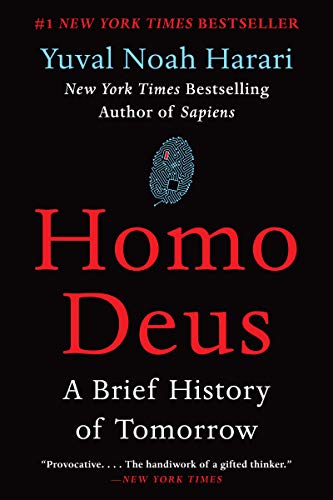
1Homo Deus: A Brief History of Tomorrow
Over the past century humankind has managed to do the impossible and rein in famine, plague, and war. This may seem hard to accept, but, as Harari explains in his trademark style—thorough, yet riveting—famine, plague and war have been transformed from incomprehensible and uncontrollable forces of nature into manageable challenges. For the first time ever, more people die from eating too much than from eating too little; more people die from old age than from infectious diseases; and more people commit suicide than are killed by soldiers, terrorists and criminals put together. The average American is a thousand times more likely to die from binging at McDonalds than from being blown up by Al Qaeda.
What then will replace famine, plague, and war at the top of the human agenda? As the self-made gods of planet earth, what destinies will we set ourselves, and which quests will we undertake? Homo Deus explores the projects, dreams and nightmares that will shape the twenty-first century—from overcoming death to creating artificial life. It asks the fundamental questions: Where do we go from here? And how will we protect this fragile world from our own destructive powers? This is the next stage of evolution. This is Homo Deus.
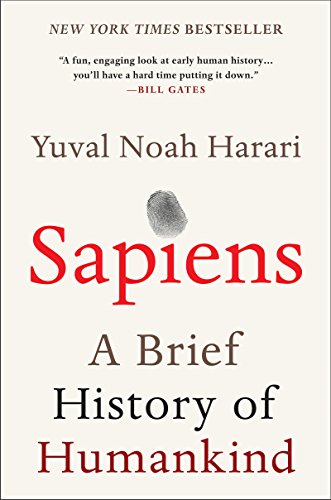
With the same insight and clarity that made Sapiens an international hit and a New York Times bestseller, Harari maps out our future.


Another book, Homo Deus. He talks about where we’re heading technologically and he’s really done the research, really looking honestly medical research, what to expect the next 30 years. … Not only are we gonna’ live much longer if you have the money, but the real question he ends the book in a way is “we have to decide as human beings, for the first time in history we can control our own revolution. We have to ask ourselves what we wanna become.” That’s a really big responsibility. What do you wanna become? Because that question can be answered, we have the technology to answer that question. And it can get silly when we can splice our genes with a lion or with a gorilla, but more importantly we’ll be able to splice our genes with synthetic biology. That’s a very big question. [source]

CEO/Microsoft
Harari’s new book is as challenging and readable as Sapiens. Rather than looking back, as Sapiens does, it looks to the future. I don’t agree with everything the author has to say, but he has written a thoughtful look at what may be in store for humanity. [source]

Founder/Virgin Group
I certainly wouldn’t consider myself a big reader of paleontology or anthropology – not good words for us dyslexics! – but I enjoy learning about how society has unfolded and history has developed in an exciting, easy to read way. The sequel, Homo Deus: A Brief History of Tomorrow, is a fascinating look into the future too. While these aren’t traditional business or leadership books, they are all about people – and learning how to work with, live with, interact with people and get the best out of them is what leadership is all about. [source]