No Consequences? Taking Determinism to Its Logical Conclusion

A nighttime scene with city lights in the background and a profile of a young man considering a world with no consequences

Are you tired of feeling guilty for your actions? Is that feeling justified? What if you’re not responsible for what you do and say? In his book Determined, Robert Sapolsky explores the concept of determinism and its implications for personal responsibility. He challenges our traditional notions of praise, blame, and punishment in a world with no consequences for our choices. Keep reading to understand Sapolsky’s thought-provoking ideas about human behavior and accountability.

4 Ways to Offload Low-Value Tasks & Stop the Energy Drain

an entrepreneur looking at a list of tasks to do, a calendar, and many sticky notes illustrates dealing with low-value tasks

Are you feeling overwhelmed by your daily tasks? Do you find yourself wasting time on low-value activities? In his book Buy Back Your Time, Dan Martell offers practical strategies for eliminating low-value tasks from your schedule. He provides four options for freeing yourself from energy-draining activities and suggests hiring a personal assistant to manage your time more effectively. Read on to discover how you can reclaim your time and focus on what truly matters in your work and life.

Harris Faulkner’s Faith Still Moves Mountains: Book Overview

a woman reading a book by a window in a cafe with a cup of coffee and a spiral notebook and pen on the table

Have you ever felt like your faith was wavering? Do you wonder if God still performs miracles in our modern world? Harris Faulkner’s Faith Still Moves Mountains explores how God responds to prayer and faith through real-life stories. This book showcases divine interventions that save lives, ease hardships, and strengthen relationships. Continue reading to be inspired by tales of hope, perseverance, and the enduring power of faith.

What Is a Mass Movement? Eric Hoffer Explains

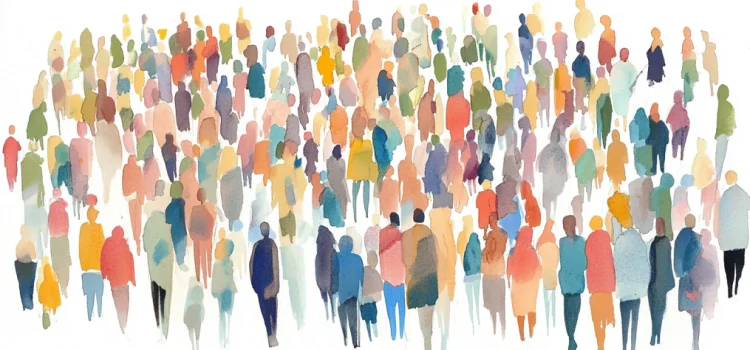
a drawing of people massing together into a large group illustrates the question, "What is a mass movement?"

What is a mass movement? What drives people to join them? What makes these movements so powerful and influential? In his book The True Believer, Eric Hoffer explores the psychology behind mass movements. He delves into why certain groups captivate those feeling alienated or discontented. This article will examine Hoffer’s insights and their relevance to today’s global landscape. Continue reading to learn what mass movements are and why it’s important to understand them.

Robert Sapolsky Says Determinism—Not Free Will—Is Our Reality

Dominoes in a row with the first ones starting to fall, depicting the domino effect and Robert Sapolsky's determinism theory

How well do you understand the concept of free will? Do you believe that your choices are truly your own? In his book Determined, Robert Sapolsky explores the theory of determinism and its implications for human behavior. He lays out arguments against free will and shares how scientific advancements support his views on determinism. Keep reading to discover how Robert Sapolsky’s determinism theory challenges our understanding of personal choice and responsibility.

What Makes a Social Movement Successful? (Eric Hoffer)

a huge group of people planting a red flag on the top of a mountain illustrates what makes a social movement successful

What makes a social movement successful? What factors contribute to its growth and longevity? Eric Hoffer’s book The True Believer explores the evolution of mass movements and the different roles that emerge as the movement grows. He explores what makes a social movement successful, examining the stages from inception to institution-building. Read on to discover how visionaries, loyal followers, and implementers shape the trajectory of social movements and understand the factors that help them succeed.

Jeff Hawkins: AI Structures Should Mimic the Neocortex

A human-like robot structure with an exposed brain and nerves illustrates Jeff Hawkins’s AI ideas

What’s the future of artificial intelligence? How can our understanding of the human brain revolutionize AI? According to Jeff Hawkins, AI development based on his Thousand Brains Theory could lead to exciting advancements. He proposes that AI systems should mimic the structure and function of the brain’s neocortex. Read on to explore how Hawkins’s ideas might influence the future of AI.

Plato’s Concept of Justice: Overview of The Republic, Books I-II

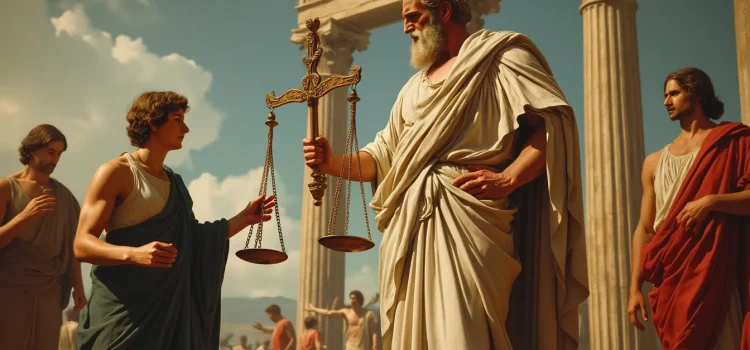
An ancient Greek philosopher holding the scales of justice illustrates Plato’s concept of justice

What does true justice look like? Is it possible for justice to be inherently good, rather than just a means to an end? In The Republic, Plato explores these questions through a series of dialogues. The ancient philosopher presents his idea of justice, challenging conventional wisdom and proposing a radical new way of looking at an age-old concept. Read more to understand Plato’s concept of justice as presented in The Republic.

4 Theories of Free Will Based on Science (+ Counterarguments)

A thinking young man with a thought bubble that says "Free Will?" inside of it illustrates theories of free will

Are your choices truly your own? Does science prove that free will is just an illusion? In his book Determined, Robert Sapolsky explores various theories of free will and presents compelling counterarguments. He addresses four scientific perspectives on free will, including compatibilism, chaoticism, emergent complexity, and quantum indeterminacy. Prepare to challenge your beliefs about decision-making and human behavior as we examine these thought-provoking theories.

Why Do People Join Social Movements? 3 Reasons They Appeal

a drawing of people standing in a circle holding hands illustrates the question "Why do people join social movements?"

Why do people join social movements? What drives individuals to become part of something bigger than themselves? In The True Believer, Eric Hoffer explores the psychology behind mass movements. He argues that these groups fulfill fundamental human needs for identity, community, and purpose. Keep reading to learn about three reasons people are drawn to mass movements.