How to Structure a Presentation in 6 Simple Steps

How to Structure a Presentation in 6 Simple Steps

What’s the best way to organize a presentation? Should you deliver your point at the beginning or at the end? If your presentation doesn’t follow a clear structure, your point will likely get lost in the ramble. According to communication expert Jay Sullivan, the author of Simply Said, your should organize your presentation into six parts: 1) opener, 2) conclusion (yes, the conclusion comes second), 3) your premise (what’s in it for them?), 4) supporting evidence (why should they believe you?), 5) recap, and 6) action steps. Here’s how to structure a presentation to make sure your message gets across.

Doris Kearns Goodwin’s Leadership: In Turbulent Times

Doris Kearns Goodwin’s Leadership: In Turbulent Times

What is Doris Kearns Goodwin’s Leadership: In Turbulent Times about? What is the key message to take away from the book? In Leadership: In Turbulent Times, Doris Kearns Goodwin describes the personal crises of four U.S. presidents—Abraham Lincoln, Theodore Roosevelt, Franklin Delano Roosevelt (FDR), and Lyndon B. Johnson. Specifically, she discusses how these experiences affected their leadership through four different national crises: the Civil War, the coal strike of 1902, the Great Depression, and the civil rights movement.  Below is a brief overview of Leadership: In Turbulent Times by Doris Kearns Goodwin.

In-Group Favoritism: We Look Out for Our Own Group

In-Group Favoritism: We Look Out for Our Own Group

What is in-group favoritism? Is in-group favoritism necessarily a bad thing? In-group favoritism is a tendency to favor members of one’s in-group (e.g. in terms of race, ethnicity, culture, etc.) over members of out-groups. On the one hand, in-group favoritism is a good thing because it fosters bonding and cooperation. On the other hand, it causes unfair prejudice and irrational animosity towards members of out-groups. Keep reading to learn about the phenomenon of in-group favoritism, its biological underpinnings, and how to overcome it.

Carl von Clausewitz’s Philosophy of War

The Hero With a Thousand Faces: Book Overview

What is Carl von Clausewitz’s philosophy of war? How is it possible that defenders—not aggressors—are responsible for initiating war? Can wars be fought peacefully? According to Prussian general and military theorist Carl von Clausewitz, war is a means of achieving political objectives. Therefore, wars are instigated by defenders, not aggressors. This is because aggressors don’t directly make war; they only make political demands. If the defender gives in to their demands without a fight, then the war doesn’t happen. Keep reading to learn about Carl von Clausewitz’s philosophy of war.

Body Language in Presentations: Tips for Speakers

Body Language in Presentations: Tips for Speakers

Should you stand or sit when delivering a presentation? Is it better to move or stand still? What about eye contact? Most communication is nonverbal, which also applies to public speaking. Your body language and your facial expressions communicate your confidence, your level of comfort, and your engagement. One rule of thumb to follow is to display openness and confidence with your body and make occasional eye contact with members of the audience. Here are some presentation body language tips to keep in mind.

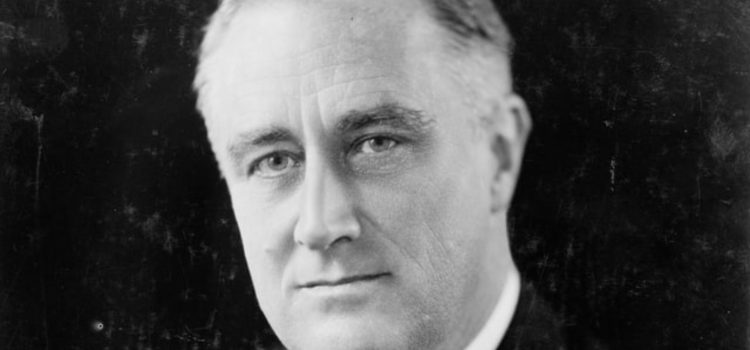
Franklin D. Roosevelt: Ending the Great Depression

Franklin D. Roosevelt: Ending the Great Depression

What is Franklin Delano Roosevelt (FDR) known for? What was FDR’s greatest accomplishment as a president? FDR, who was president from 1933 to 1945, was instrumental to American workers’ well-being; He was tasked with getting the nation through the Great Depression. Franklin D. Roosevelt successfully turned the nation’s economy around in spite of the major challenges. Historian Doris Kearns Goodwin attributes this accomplishment to his ability to empathize with others. Here’s how empathy helped Franklin Delano Roosevelt lead the nation through an economic catastrophe. 

Simply Said: Book Overview (Jay Sullivan)

Simply Said: Book Overview (Jay Sullivan)

What is Jay Sullivan’s Simply Said about? What is the key message to take away from the book? In his book Simply Said, communication expert Jay Sullivan provides a blueprint for effective business communication. Top-notch communication skills are essential to success in any professional field—after all, you can only get clients, colleagues, and audiences to buy into your ideas if you’re able to communicate them clearly.  Here’s a brief overview of Jay Sullivan’s book Simply Said: Communicating Better at Work and Beyond.

Carl von Clausewitz: On War Quotes

Carl von Clausewitz: On War Quotes

Are you looking for On War quotes by Carl von Clausewitz? What are some of the most noteworthy passages worth revisiting? On War by Carl von Clausewitz is arguably the most influential Western treatise on the subject of war. The book consists of a large collection of essays. The author expressed an intent to develop them into a comprehensive textbook for military officers, politicians, and others who needed to understand the subject of war. However, he died before finishing this project, so his writings were published in their original form. Below is a selection of Carl von Clausewitz’s On War

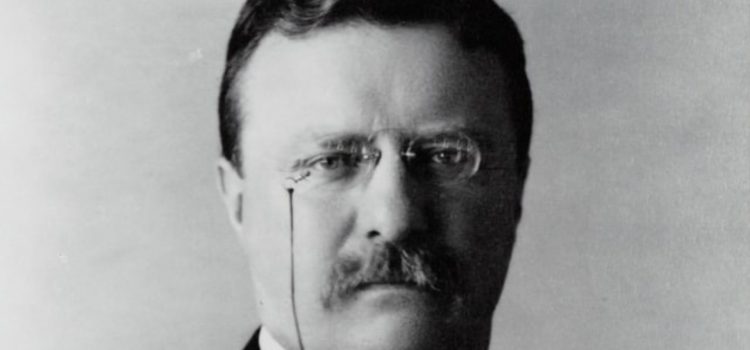
Doris Kearns Goodwin on Teddy Roosevelt’s Presidency

Doris Kearns Goodwin on Teddy Roosevelt’s Presidency

What is Theodore Roosevelt known for? What was the key turning point in Roosevelt’s leadership? According to Doris Kearns Goodwin, Teddy Roosevelt’s greatest achievements as a president would not have happened if it wasn’t for his family tragedy. He was stricken with immense grief, which made him dive deeply into his work, setting a chain of events that were instrumental in Roosevelt developing qualities that were essential to how he handled the 1902 coal strike. Here’s how Roosevelt’s crisis taught him bias to action.

How to Improve Your Oral Communication Skills

How to Improve Your Oral Communication Skills

Do you want to level up your communication skills? What are some things you should keep in mind when it comes to oral communication? Effective oral communication is one of the most important skills you could develop. One rule of thumb to keep in mind is to use the same techniques whether you’re talking with one person or a roomful of people—maintain the same level of confidence, attention, and engagement. Here’s how to improve your oral communication skills, according to author Jay Sullivan.