How Regressive Taxation Contributes to Inequality
How Regressive Taxation Contributes to Inequality

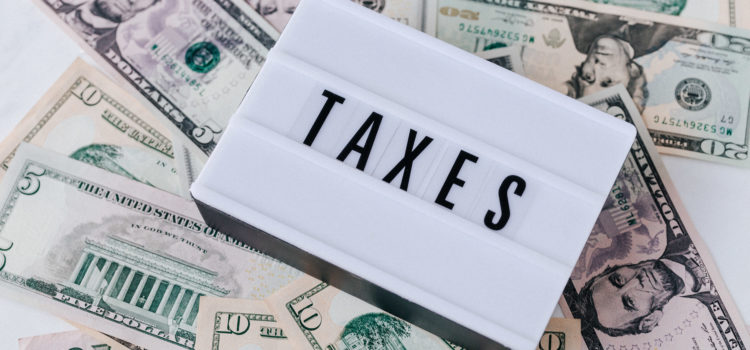
How does regressive taxation contribute to economic inequality? Why do the rich pay less than their fair share of taxes? Regressive taxation is why America lacks funding for social initiatives and is riddled with economic inequality. The wealthiest people and corporations can avoid paying their fair share of taxes, so the bulk of public funds is pulled from the pockets of modest families. Keep reading to learn about the origins of regressive taxation and how it contributes to economic inequality.

Why Don’t Rich People Pay Taxes?

How Economic Outpatient Care Leads to UAW Children

Why don’t rich people pay taxes? Is the American taxation regressive or progressive? In the U.S., most of the tax burden is borne by low- and middle-income earners. The reason for this is that American taxation is regressive, pulling the bulk of public funds from taxes that come from regular families while a large portion of American wealth remains in the pockets of the ultra-wealthy. Here’s why the ultra-rich pay less in taxes.

Why Is the Black Poverty Rate in America So High?

Why Is the Black Poverty Rate in America So High?

Why is the Black poverty rate so high in America? Why is the racial wealth gap so hard to close? For the majority of Americans, wealth is something that’s accumulated across generations through inheritance. But Black Americans have historically been left with little to no inheritance, making it much harder for them to gain success and wealth compared to white Americans. Keep reading to learn about the causes of Black poverty in America.

List of Basic Economic Terms and Definitions to Know

List of Basic Economic Terms and Definitions to Know

What are some basic economic terms you should know? How does Thomas Piketty define them? Before discussing income and wealth inequality in-depth, Thomas Piketty establishes the broader intellectual framework that supports his analysis in Capital in the Twenty-First Century. He does this by defining some key economic terms. Read more for a list of basic economic terms and definitions you should know.

Capital in the Twenty-First Century by Thomas Piketty

Guaranteed Basic Income: Creating A Better Tomorrow

What is Capital in the Twenty-First Century about? Why does Thomas Piketty believe capitalism generates economic inequality? In Capital in the Twenty-First Century, Thomas Piketty analyzes national incomes, income tax returns, estate tax returns, and other financial data across multiple countries and centuries. The result is a groundbreaking study of the history of economic inequality and its implications for 21st-century society. Keep reading for an overview of Capital in the Twenty-First Century by Thomas Piketty.

Best Cryptocurrency Blogs & Podcasts to Follow in 2022

How to Create a Wealth Mindset to Change Your Reality

Do you want to learn about cryptocurrency but aren’t sure where to start? Perhaps you’re already a successful crypto trader looking to follow up on the latest trends and glean expert insights? Cryptocurrency is a dynamic and fast-paced industry. Even experienced investors have a hard time keeping up with all the happenings. Thankfully, there are lots of resources available to help you make sense of the endless stream of crypto news and put them into a larger perspective.  In this article, we’ve compiled a list of the best cryptocurrency blogs and podcasts to help you navigate this fascinating and ever-changing

What Causes Economic Inequality? Expert Explains

What Causes Economic Inequality? Expert Explains

What causes economic inequality? What is different about economic inequality now vs. before World War I? Economic inequality is a growing issue today. In Capital in the Twenty-First Century, Thomas Piketty argues that high salaries for executives and managers are the driving forces for inequality. Read more on how uneven salary distribution could be the leading cause of this imbalance.