The Applications of DNA Sequencing in Medicine

The Applications of DNA Sequencing in Medicine

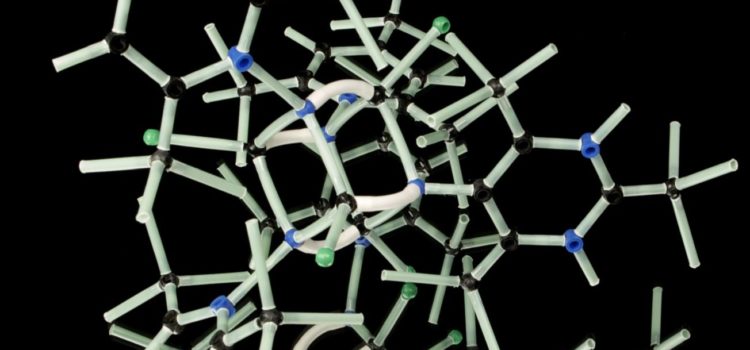
What is DNA sequencing? What is DNA sequencing used for in modern medicine? DNA sequencing makes it possible to extract the genetic information that is carried within a DNA molecule or even a whole genome. Nowadays, gene sequencing technology allows doctors and researchers to find and diagnose genetic diseases.  Keep reading to learn about the current applications of DNA sequencing in medicine.

End-of-Life Decisions: How Would You Like to Meet Your End?

End-of-Life Decisions: How Would You Like to Meet Your End?

What matters most at the end of life? How can end-of-life institutions help their patients prepare to die with dignity and peace? The dying should have the chance to wrap up their affairs, share their deepest thoughts, encourage their loved ones, and establish their legacies. However, modern-day end-of-life institutions tend to deprive their patients of the opportunity to decide how they want to spend their final days. Here’s why we should make our end-of-life decisions before they are made for us.

How to Overcome the Status Quo Bias in Decision-Making

How to Overcome the Status Quo Bias in Decision-Making

Why are people inclined to make decisions that perpetuate their status quo? What are some ways to mitigate the status quo bias in decision-making? When it’s time to finally make a choice, our bias toward the status quo kicks in and weakens our judgment. According to Chip and Dan Heath, tough decisions elicit intense emotions. These emotions cause us to seek relief in what’s familiar. Thus, we make decisions that resist change, even if change is what we need. Here’s how to push against the status quo bias in decision-making.

Procrastination and Anxiety: What’s the Link?

Procrastination and Anxiety: What’s the Link?

Is procrastination the result of laziness or anxiety? How does anxiety drive procrastination? Procrastination isn’t caused by laziness and can’t be fixed by trying harder. Instead, procrastination is a symptom of the fear and anxiety we sometimes feel about our work—and to solve it, you have to address those underlying emotional struggles. Here are some tips on how to deal with procrastination and anxiety.

Atul Gawande: How to Help the Dying in Their Final Days

Atul Gawande: How to Help the Dying in Their Final Days

What’s most important to people who are close to death? How can we infuse the final days of the dying with meaning and dignity? According to Atul Gawande, the author of Being Mortal, we can improve our care for the dying by giving them autonomy, or the ability to direct their lives as they wish. This freedom is crucial for those facing death, as it allows them to live according to their values and retain meaning in spite of limitations.  Here’s how to help the dying retain their autonomy so they can die with peace and dignity.

How Does DNA Store Genetic Information?

The 2 Primary Biological Causes of Depression

How does DNA store genetic information? How do genes direct the production of proteins that make up the structure of our bodies? DNA contains instructions for building proteins that make up just about everything in your body. Specifically, genetic information in DNA is stored as a code made up of four base chemicals called nucleotides. Here’s how DNA molecules encode biological information.

The Now Habit by Neil Fiore: Book Overview

The Now Habit by Neil Fiore: Book Overview

What is Neil Fiore’s The Now Habit about? What is the key message to take away from the book? According to psychologist and productivity coach Neil Fiore, the problem isn’t that we’re lazy—it’s that procrastination is a symptom of the fear and anxiety we sometimes feel about our work. In his 1988 book The Now Habit, Fiore explains what procrastination is, why we do it, and most importantly, how to avoid it.  Below is a brief overview of The Now Habit by Neil Fiore.

Opposing Views: The Antidote to Confirmation Bias

Opposing Views: The Antidote to Confirmation Bias

How does confirmation bias skew your judgment? Why is it important to seek the opposing viewpoint when making important decisions? In decision-making, confirmation bias leads us to overlook crucial information about our options. One way to resist your confirmation bias is to hunt for information that contradicts your existing beliefs. Here’s how seeking out opposing views can help you override confirmation bias and make better decisions.

Caring for the Dying: We Are Doing It Wrong

Caring for the Dying: We Are Doing It Wrong

What matters most at the end of life? How can we align our approach to end-of-life care with the priorities of the dying? According to Atul Gawande, how we approach caring for the dying is at odds with what’s most important to people close to death. For the dying, living well in the present is more important than hoping for a better future. However, modern-day end-of-life care is designed with a future-oriented outlook in mind. Here’s why we need to reorient our priorities from the future to the present, according to Gawande.

Siddhartha Mukherjee: How Was DNA Discovered?

Siddhartha Mukherjee: How Was DNA Discovered?

How was DNA discovered? Why did scientists initially dismiss DNA as a carrier of genetic information? Scientists discovered nucleic acids (DNA and RNA) in the 1920s, but they decided that nucleic acids were much too simple to carry genetic information. Therefore, they dismissed those molecules in favor of studying proteins, which were much more complex. Keep reading to learn how DNA was discovered.