Neanderthal DNA in Modern Humans: How It Got There
Neanderthal DNA in Modern Humans: How It Got There
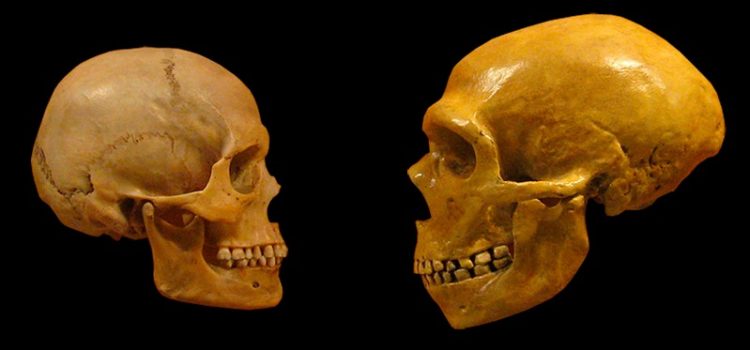
Is there Neanderthal DNA in modern humans? How much? How did it get there? Some people have up to 4% Neanderthal DNA. This is because early Homo sapiens, our species, interbred with Neanderthals, a different human species. Learn the difference between Neanderthals and early Homo sapiens and how researchers made the surprising discovery that there’s Neanderthal DNA in some modern humans.

Master of Two Worlds: The Hero’s Journey, Stage 16 (Explained)

Master of Two Worlds: The Hero’s Journey, Stage 16 (Explained)

What is stage 16 of Joseph Campbell’s hero’s journey? What is the significance of being a “master of two worlds”? Master of two worlds is the stage of the hero’s journey in which the hero can move seamlessly between the two worlds, without destroying or compromising either. Master of two worlds is stage 16 of Joseph Campbell’s hero’s journey, from The Hero with a Thousand Faces. We’ll cover what being a master of two worlds entails and look at examples of the master-of-two-worlds stage of the hero’s journey.

Gilgamesh’s Quest for Immortality: Why He Had to Fail

Gilgamesh’s Quest for Immortality: Why He Had to Fail

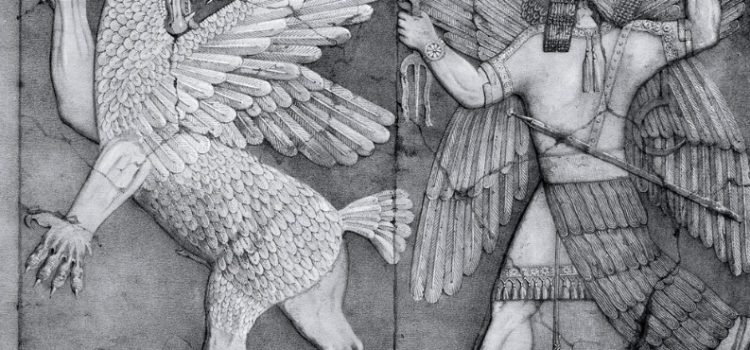
What happens in the ancient epic when King Gilgamesh seeks immortality? How does Gilgamesh’s immortality-search align with Joseph Campbell’s hero’s journey? And why isn’t Gilgamesh successful? We’ll cover the elements of King Gilgamesh’s search for immortality and discuss why he had to fail in this endeavor, according to the standards of the hero’s journey popularized in The Hero with a Thousand Faces.

Know Your Enemy (Art of War): 17 Signs to Look For

Know Your Enemy (Art of War): 17 Signs to Look For

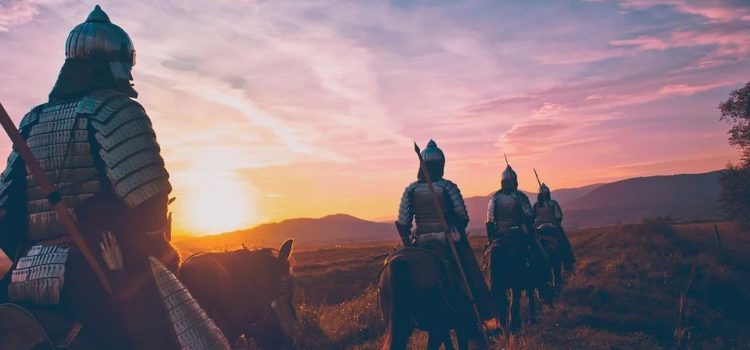
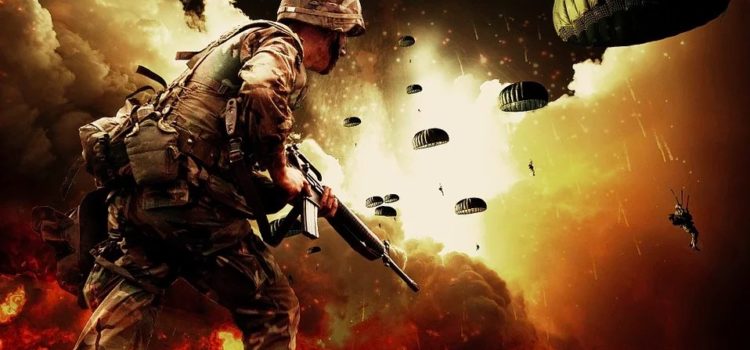
The phrase “know your enemy” comes from Sun Tzu’s The Art of War. What did he mean when he said you should know your enemy? How did he suggest you do it? Sun Tzu says, “If you know the enemy and know yourself, you need not fear the result of a hundred battles.” We’ll cover how knowing your enemy gives you the advantage. We’ll also cover what to look for in order to accurately read your enemy.

What Was the Agricultural Revolution? Was It Good for Us?

What Was the Agricultural Revolution? Was It Good for Us?

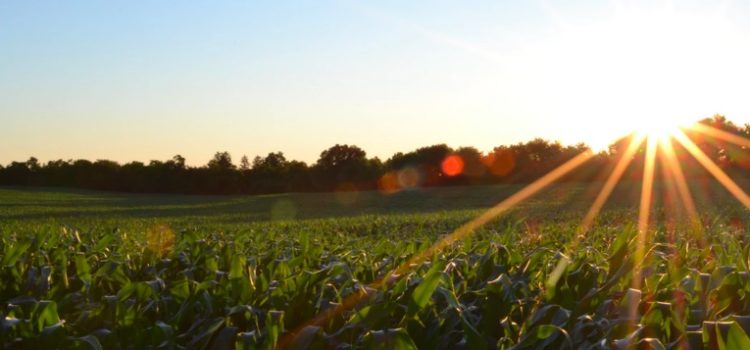
What was the Agricultural Revolution? How did it affect homo sapiens, and how did it affect the rest of the animal kingdom? The Agricultural Revolution was the moment in human history, between 9500 and 8500 BC, when Sapiens started shifting from forager lifestyles to a life revolving around agriculture. The revolution started independently in China, the Middle East, and Central America. We’ll cover the causes of the Agricultural Revolution and how it impacted both humans and animals.

Why Does Money Have Value? Only Because We Trust Each Other

Why Does Money Have Value? Only Because We Trust Each Other

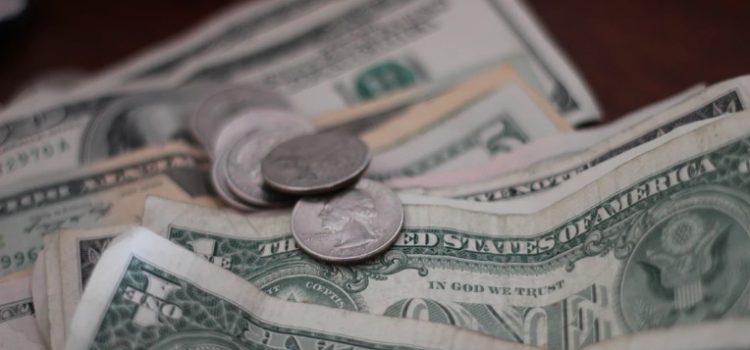
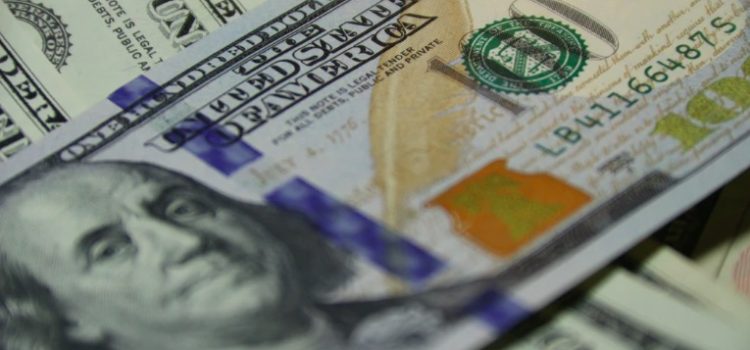
A dollar bill is just a piece of paper. Why is a piece of paper with Alexander Hamilton’s or Benjamin Franklin’s face on it worth more than the paper of books filled with words? In other words, why does money have value? How does money get its value? Money has value because we all believe it’s valuable. We trust other people value it, and trust is the foundation of our economic system. We’ll cover the varying values of ancient currencies, the role of mutual trust, and the difference between inherent and noninherent value in money.