Leonardo da Vinci’s Early Life as a Budding Artist

Leonardo da Vinci’s Early Life as a Budding Artist

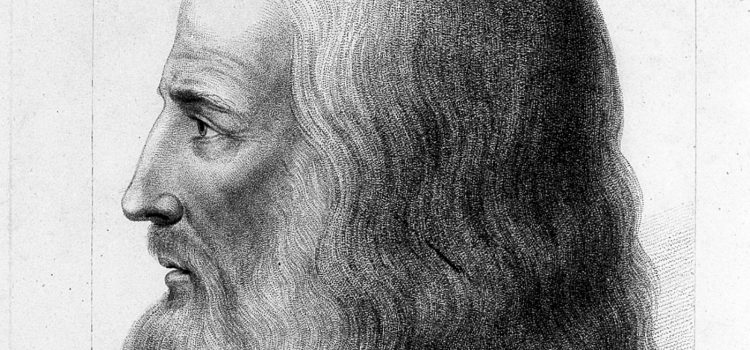
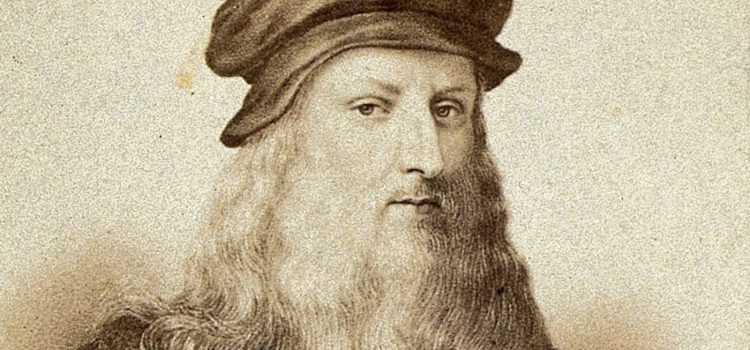
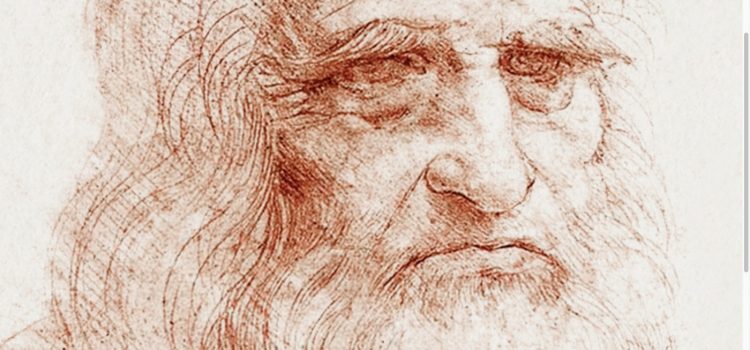
What was Leonardo da Vinci’s early life like? What made Leonardo stand out from his peers? According to Walter Isaacson in the biography of the polymath, Leonardo da Vinci was well-liked by his peers. This doesn’t mean he was like them, as he had many different qualities that allowed him to become a genius. Let’s look at the early life of Leonardo da Vinci to get a better sense of him.

What Is the Protestant Work Ethic? The Making of a Lifestyle

What Is the Protestant Work Ethic? The Making of a Lifestyle

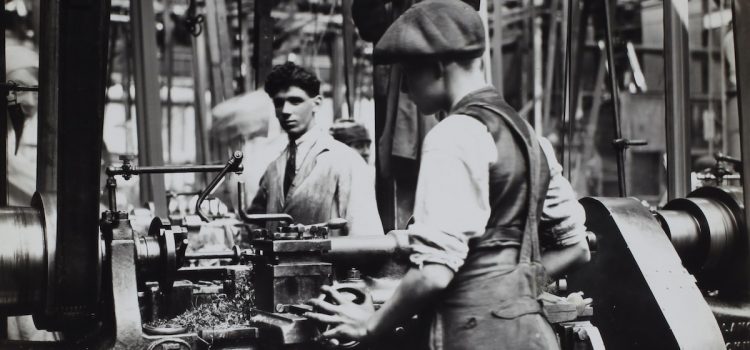
What is the Protestant work ethic? Why is American culture so focused on “hustle” and productivity, in contrast to many European nations’ laid-back attitudes? As far back as the 1600s, Anglo-American Protestants ceased the traditional lifestyle of working just enough to sustain their lives. They began to work harder, longer, and more systematically than anyone had before. In The Protestant Ethic and the Spirit of Capitalism, Max Weber explores the reasons behind this change. Continue reading to learn how and why Protestants broke away from the traditional economic lifestyle and blazed a new trail.

Martin Luther and the Reformation: Max Weber Tells the Story

Martin Luther and the Reformation: Max Weber Tells the Story

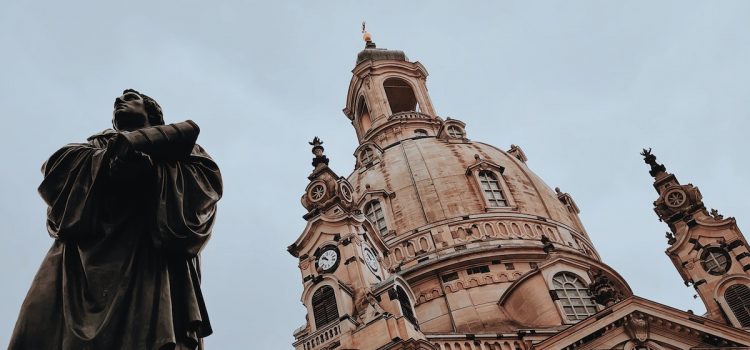
How did the Protestant Reformation get going in earnest? What revolutionary ideas did Martin Luther introduce? In The Protestant Ethic and the Spirit of Capitalism, Max Weber discusses the doctrinal developments introduced by Martin Luther and others that, according to Weber, produced the Protestant ethic. These doctrines caused people to live more systematically, ascetically, and rationally than ever before. Continue reading for Weber’s account of Martin Luther and the Reformation.

Max Weber: Capitalism Arose From the Protestant Ethic

Max Weber: Capitalism Arose From the Protestant Ethic

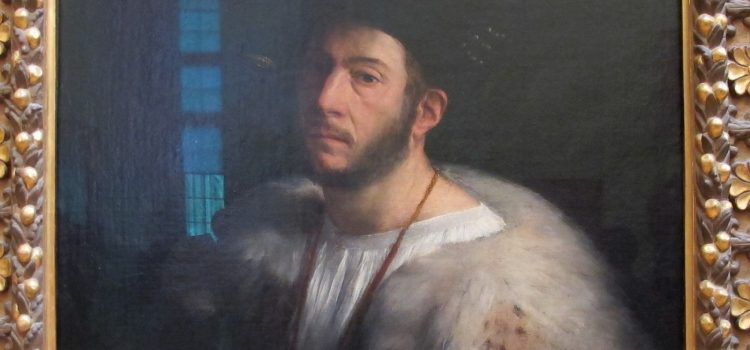
What’s Max Weber’s theory about the origins of capitalism? How does it compare to Karl Marx’s theory? According to Max Weber, capitalism became a global economy because of the work ethic of Protestants in America and western Europe. This is the argument he presents in his classic work The Protestant Ethic and the Spirit of Capitalism. Keep reading to learn more about Weber’s theory about the rise of capitalism.

Cesare Borgia and Leonardo da Vinci’s Partnership

Cesare Borgia and Leonardo da Vinci’s Partnership

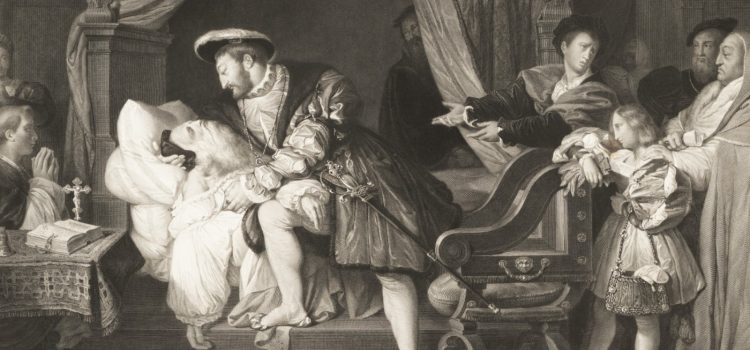
What was the relationship between Cesare Borgia and Leonardo da Vinci? What did Leonardo learn from Cesare? When Leonardo da Vinci returned to Florence in 1500, he met Cesare Borgia. In the biography Leonardo da Vinci, Walter Isaacson says Cesare allowed Leonardo to use his engineering skills for the military. Check out how Cesare Borgia and Leonardo da Vinci met, and how they benefited from each other.

How the Spirit of Capitalism Arose From the Protestant Ethic

How the Spirit of Capitalism Arose From the Protestant Ethic

How did capitalism take hold as a major world economy? How much of an influence did religion have? Max Weber argued in his 1905 classic that the early Protestants in western Europe and America pioneered the way of life that became the modern capitalist’s lifestyle. And, in doing so, they provided the cultural and financial impetus for capitalism to become a full-fledged economic system. Continue reading to learn how the spirit of capitalism arose from the Protestant ethic.