The Western Diet: A Slow Weapon of Mass Destruction

The Western Diet: A Slow Weapon of Mass Destruction

What is the Western diet? What are the health implications of eating in the Western-style? A Western diet is characterized by a high intake of saturated fat and refined carbohydrates and a low intake of fresh fruit, vegetables, and whole grains. Researchers are finding that eating in the Western-style does more than just cause weight gain. It is also associated with a heightened risk of developing stroke, heart disease, type-II diabetes, and cancer. Continue reading to learn how we came to rely on the Western diet and, more importantly, what we can do to move away from it.

Plant-Based Eating: Why All the Hype?

plants

What’s all the hype about plant-based eating? Are diets consisting primarily of plant-derived foods really better for you? What are the main benefits of plant-based eating? There are numerous health benefits to eating a plant-based diet. To name a few, plant-based foods contain more antioxidants (compounds that fight free radicals) and fewer calories. They are also lower in toxins. Learn about the benefits of plant-based eating.

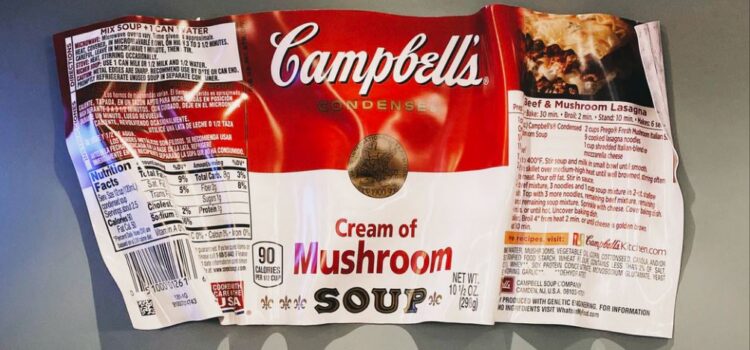
Reading Food Labels: Look Out for These 3 Things

Reading Food Labels: Look Out for These 3 Things

Why is reading food labels important? What ingredients should you avoid and why? Reading food labels can help you make informed food choices by avoiding ingredients that may be damaging to your health. One simple rule of thumb to follow is to stay away from foods that contain unpronounceable ingredients, low-fat or fat-free dairy, and paradoxically enough, the health claims. Here are some things you should be looking out for when reading food labels.

Diet-Related Diseases: The Culprit of the New World

Diet-Related Diseases: The Culprit of the New World

What are the top four diet-related diseases? Is the damage done by the modern diet reversible? Americans suffer from a wide range of killer diet-related diseases, the main ones being obesity, cancer, type-II diabetes, and heart disease. However, this hasn’t always been the case; before the second world war, the rates of dietary diseases were low. Read about the rise of diet-related diseases.

Refined Foods: Why Do We Still Eat Them?

Refined Foods: Why Do We Still Eat Them?

Are refined foods really bad for you? And if so, why do we eat so much of them? Refined foods are almost empty of nutritional value without fortification and lead to massive influxes of glucose and fructose in the body. And even though their damaging effects are pretty much common knowledge these days, we still eat them in abundance. Why? Part of the answer can be found in history. Read about the rise of refined foods and how they function in the body.

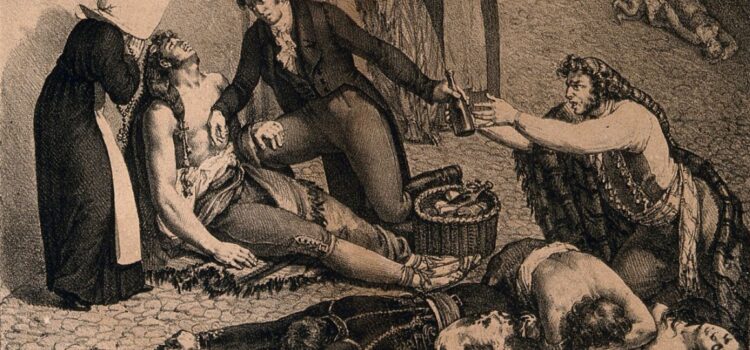
Bush Hill: 1793’s Makeshift Hospital

Bush Hill: 1793’s Makeshift Hospital

Why is Bush Hill important in Fever 1793? How did Bush Hill change from when Matilda remembered it? In Fever 1793, Bush Hill was a dangerous place that was purchased by a rich businessman and converted into a hospital for those sick with yellow fever. Matilda had to spend time there with her grandfather while recovering from yellow fever. Continue reading to learn what Bush Hill was like in Fever 1793.

Why You Should Be Spending More Money on Food

Why You Should Be Spending More Money on Food

Is spending a lot of money on food really worth it? Is expensive food really significantly better than cheaper, more affordable staples? Most people are geared towards quantity and cheap, accessible food. But according to Michael Pollan, the author of In Defense of Food, we shouldn’t be too frugal when it comes to spending money on food. In general, more expensive food (especially, food of natural origin) is better for you because of a lack of toxins and improved nutritional quality. Here is why spending more money on food is indeed worth it, according to Michael Pollan.

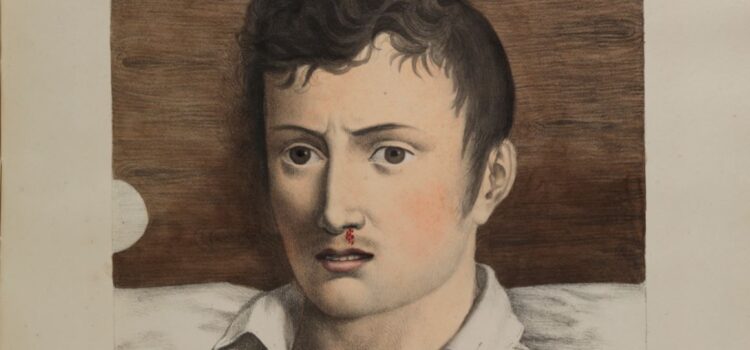
Yellow Fever: Philadelphia in Anderson’s Fever 1793

Yellow Fever: Philadelphia in Anderson’s Fever 1793

What was Philadelphia like during the yellow fever epidemic? What did Matilda and Grandpa do once they finally got back home? In the book Fever 1793, Matilda and Grandpa return to Philadelphia after she recovers from yellow fever at Bush Hill. However, the city is not the same as when they left it over two weeks ago. Continue reading to learn what happened when an outbreak of yellow fever hit Philadelphia.