Think Like a Monk: Quotes by Jay Shetty
Think Like a Monk: Quotes by Jay Shetty

What are some of the best Think Like a Monk quotes from Jay Shetty? What can Shetty teach you about adopting a monk mindset? Former Vedic monk and award-winning content creator Jay Shetty claims that the route to happiness and fulfillment is to think like a monk. According to him, monks are the calmest and happiest people in the world because they live with a sense of purpose that aligns with their true, inner selves.  Continue reading for some of the best quotes from Think Like a Monk.

Dealing With Regret: What Are the Consequences?

Dealing With Regret: What Are the Consequences?

What are the major consequences of dealing with regret? In what ways can regret affect our ability to make decisions? Other than the obvious consequences of feeling sad when you regret something, regret can have more detrimental effects on your mental health. Two consequences of regret are developing regret aversion and avoiding sunk costs. Additionally, the more options you have to choose from, the worse the regret will feel. Keep reading to learn all about regret.

How to Deal With Anger in a Healthy Way

How to Deal With Anger in a Healthy Way

Do you struggle to control your anger? How can anger be used as a tool? In her book Codependent No More, self-help author Melody Beattie discusses the importance of anger and how to handle it in a way that won’t cause damage to yourself and others. Anger is a natural emotion and isn’t bad unless you try to repress it. Keep reading to learn how to deal with anger properly.

Declutter Your Mind to Think Like a Monk

Declutter Your Mind to Think Like a Monk

Is your mind full of clutter such as feelings of overwhelm, confusion, and anxiety? How can you declutter your mind and invite more clarity into your life? Jay Shetty, the author of Think Like a Monk, says there are three steps to developing a monk mindset: purify, clarity, and exemplify. The first stage, purify, involves decluttering your mind so you can focus on what really matters. Keep reading to learn about purifying your mind.

Why More Is Less: The Downsides of Maximizing

Why More Is Less: The Downsides of Maximizing

Why is it better to be a satisficer than a maximizer? How can maximizing actually lead to anxiety and depression? There are two types of decision-makers: maximizers and satisficers. Maximizers try to weigh every option and won’t make a decision until they’re sure that it’s the best one. Alternatively, satisficers will settle for an option that is “good enough.” You would think that maximizers would be happier in the end because they made the better choice. However, satisficers tend to come out on top. Continue reading to learn why more is less.

How to Spread Kindness: 6 Simple Strategies

How to Spread Kindness: 6 Simple Strategies

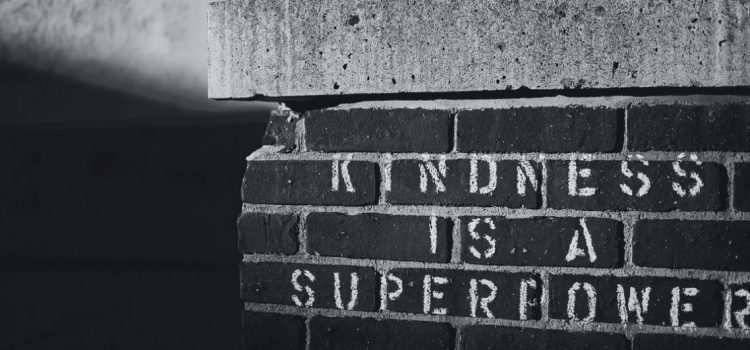
Do you want to know how to spread kindness? How can practicing kindness help you gain control of your life? The thought of spreading kindness can sometimes be easier said than done. When we get caught up in the everyday ebb and flow of life, it’s easy to forget to take a step back and to do something nice for ourselves or others. However, the act of spreading kindness can actually help pull you out of that everyday routine, reduce stress, and release negative feelings. Here are six tips for spreading kindness every day.

What Is Hedonic Adaptation? Understand & Overcome It

What Is Hedonic Adaptation? Understand & Overcome It

What is hedonic adaptation? Why do things that once excited you become more disappointing each time you do them? Can this tendency be overcome? Hedonic adaptation is when you really enjoy something the first time you experience it, but the more you get used to it, the less pleasurable it becomes. This tendency is impossible to outrun, but it is possible to learn to live with it. Learn more about hedonic adaptation below.

Release Unhealthy Guilt, and Embrace Yourself

Release Unhealthy Guilt, and Embrace Yourself

Why is it necessary to release your unhealthy guilt? How can holding on to your guilt hurt you? According to Melody Beattie in her book Codependent No More, codependents’ low self-esteem is usually caused by impossible standards and unhealthy guilt. You need to release those standards and guilt to truly love yourself. Here’s why your guilt is holding you back from self-love.

Think Like a Monk: Book Advice & Key Takeaways

Think Like a Monk: Book Advice & Key Takeaways

What does it mean to truly be happy? Is your definition of happiness being skewed by external sources? Former monk and life coach Jay Shetty argues that people’s idea about what makes them happy are skewed by society and social media. Rather than seeking validation from others, Shetty says that you should seek happiness through defining and following your values in life. Continue reading for more Think Like a Monk book advice from Shetty.

Who Will Cry When You Die?: Quotes From Sharma

Who Will Cry When You Die?: Quotes From Sharma

Are you looking for the best Who Will Cry When You Die? quotes by Robin Sharma? What lessons does he teach about gaining control over your life and living without regrets? The aim of this book is simple, Sharma wants to help readers live a fuller life so they do not regret their decisions at the end of their lives. Sharma wants you to stop focusing on the things that don’t make you happy and to regain control of your life that may be on autopilot. Here are some of the best quotes from the book with explanations.