Distilling Data Down to Its Most Basic Form: What Truly Matters

Two professional men talking in an elevator illustrate distilling data in a way that communicates the main points succinctly

Are your data presentations too complex for your audience to absorb? Can you communicate your key insights in three minutes or less? Distilling data is essential for effective communication. In Storytelling With Data, Cole Nussbaumer Knaflic writes that focusing on the most important information helps listeners retain your key points. She introduces two frameworks designed to help you identify and emphasize what truly matters in your data. Keep reading to discover how these techniques can transform your complex data into compelling, memorable stories.

Reading in the Digital Age Is Altering Our Brains (Maryanne Wolf)

A man reading a book on a mobile phone at nighttime with a bookshelf in the background illustrates reading in the digital age

Is our relationship with reading fundamentally changing as we move from traditional to digital formats? What does this shift mean for our cognitive abilities and future intellectual development? Reading in the digital age represents a significant transformation in how our brains process information. Cognitive neuroscientist Maryanne Wolf explains that our current shift to digital reading is rewiring our neural pathways in ways that bring both opportunities and risks. Keep reading to discover how screens are changing not just what we read but how we think—and what we can do to preserve the valuable cognitive skills traditional reading has given us.

Memory Distortion: Why Memories Are Dynamic Reconstructions

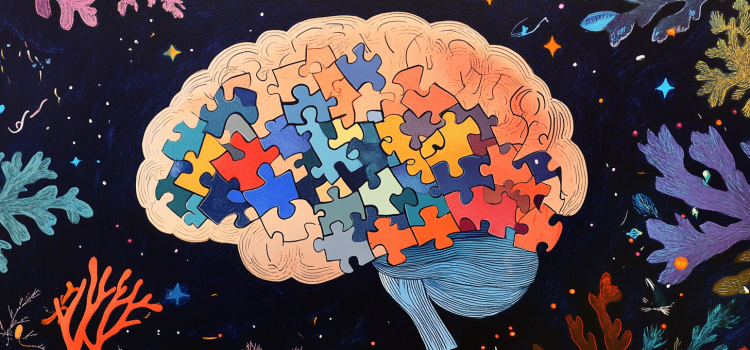
An illustration of a jigsaw puzzle inside a brain illustrates memory distortion

How much of what you remember actually happened? What invisible forces reshape your recollections each time you access them? Our brains don’t record memories like video cameras. Instead, they act more like storytellers, reconstructing events in ways that serve us but don’t always reflect reality. In his book Subliminal, Leonard Mlodinow reveals how memory distortion follows predictable patterns. Keep reading to discover why even your most vivid memories might be less reliable than you think.

How to Find Insight: The 3 Paths to Breakthrough Moments

Light bulbs at crossroads with three paths going in different directions illustrates how to find insight

Do you wonder why some people consistently have breakthrough ideas? What pathways lead to those “aha” moments that can change everything? Psychologist Gary Klein reveals how to find insight through three distinct paths. While insights may feel random, they typically emerge when we encounter information that challenges our beliefs, make unexpected connections between ideas, or find creative solutions under pressure. Read on to discover how scientists, inventors, and even astronauts have leveraged these three paths to breakthrough thinking—and how you can apply these same principles to find your own insights.

How to Use 3 Preattentive Attributes in Data Visualization (Knaflic)

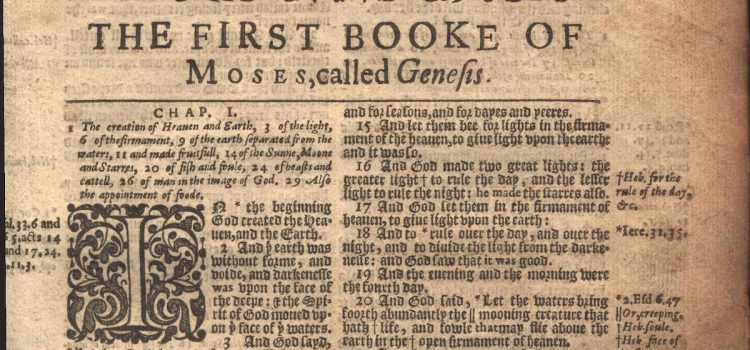
A page from a 1620-1621 King James Bible (Genesis 1) illustrates preattentive attributes in data visualization

How can you make your data visualizations instantly understandable? What design techniques naturally guide viewers’ attention to the most important parts of your visual story? In her book Storytelling With Data, Cole Nussbaumer Knaflic explores how preattentive attributes in data visualization work with our brain’s natural visual processing. She explains that the strategic use of size, color, and position creates clear visual hierarchies that help audiences grasp complex information. Keep reading to discover how these powerful visual techniques—used since medieval times—can transform your data presentations from confusing to compelling.

The Disadvantages of Digital Reading & Ways to Minimize Them

Two woman on a train—one looking at her phone and the other reading a book—illustrates the disadvantages of digital reading

What happens to our brains when we read on screens versus paper? How can we balance digital convenience with deeper comprehension skills? In her book Proust and the Squid, Maryanne Wolf explores the significant disadvantages of digital reading alongside its benefits. She explains how our brains adapt differently to online reading, with platforms encouraging skimming rather than deep reading. Below, find Wolf’s practical strategies for parents, teachers, and readers to maintain deep reading abilities while still embracing the digital world.

How to Avoid Motivated Reasoning: Tips From Leonard Mlodinow

A woman looking up with colorful fiery swirls around her head illustrates how to avoid motivated reasoning

Is your mind playing tricks on you without your awareness? Why do we cling to beliefs despite contradicting evidence? In Subliminal, Leonard Mlodinow reveals how our unconscious mind shapes our judgments before conscious analysis begins. He explains motivated reasoning—our tendency to process information in ways that support existing beliefs—and offers practical strategies to overcome this natural bias. Keep reading to discover how to avoid motivated reasoning and make more objective decisions in everyday life.

How to Be Insightful: Cultivating Ground for New Ideas to Sprout

A light bulb growing out of the ground illustrates how to be insightful

Can insights be cultivated through deliberate practice? What specific paths lead to those “aha” moments that change everything? In Seeing What Others Don’t, Gary Klein reveals that insights aren’t random strokes of genius but natural outcomes of staying curious and open-minded. He outlines distinct ways to become more insightful, sharing practical methods anyone can use to create conditions where insights flourish. Keep reading to discover how to be insightful through simple mindset shifts and systematic practices that will transform the way you solve problems and generate new ideas.

How to Interpret Data: 2 Ways to Understand & Explain It

A woman in silhouette, seen from behind, looking at data on screens illustrates how to interpret data effectively

What’s the best way to make sense of those spreadsheets filled with thousands of numbers? How can you understand data in a way that helps you explain it to others? In her book Storytelling With Data, Cole Nussbaumer Knaflic teaches readers how to interpret data by focusing on two essential skills. She offers practical techniques to transform complex information into clear, compelling visuals that anyone can understand. Keep reading to discover how these strategies can help you become more confident in analyzing and presenting data of any kind.

How to Use Your Unconscious Mind: 5 Practical Tips + Exercise

A woman smiling and pointing toward her head with both hands illustrates how to use your unconscious mind

What hidden forces shape our decisions without our awareness? How can we harness the power of our unconscious mind rather than being controlled by it? Leonard Mlodinow reveals how our unconscious mind constantly processes information beneath our awareness. Learning how to use your unconscious mind effectively means recognizing gut feelings, questioning automatic judgments, and developing greater self-awareness of these hidden processes. Keep reading to discover practical strategies that will help you work with your unconscious mind rather than against it.