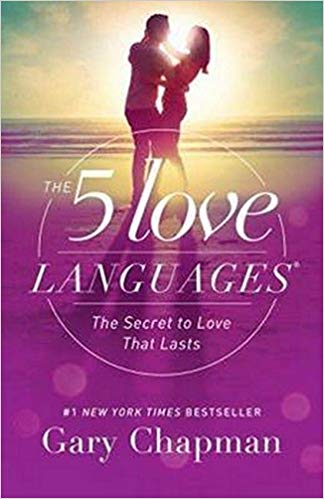
This article is an excerpt from the Shortform summary of "The 5 Love Languages" by Gary Chapman. Shortform has the world's best summaries of books you should be reading.
Like this article? Sign up for a free trial here .
Ever wonder why that intoxicating rush of new love eventually mellows into something quieter? The euphoria of falling in love typically lasts up to two years before reality intrudes with responsibilities, habits, and competing needs. Understanding how love changes over time helps you navigate the transition from romance to lasting partnership.
This article explores the joys and inevitable evolution of new relationships, drawing on insights from relationship expert Gary Chapman’s book The 5 Love Languages. You’ll learn why the initial spark fades, what happens in your brain during different stages of love, and how to maintain connection when the honeymoon period ends.
Originally Published: September 9, 2019
Last Updated: December 5, 2025
The Joys of a New Relationship
What happens when you’re falling in love? According to Chapman, when you’re falling in love, the feeling is all-consuming. You feel like you’ve become one with another person, you obsess over the object of your affection, and you think about them constantly. You want to stay in that warm and exciting space with them, and you go out of your way to do things for them and support them. You do this so they know you’re falling for them and want them to be in your life. You feel like you’ve found the perfect person and that your infatuation will last forever.
However, the euphoria of first falling in love will decline in all relationships, even the best ones. When that initial burst of love begins to fade, you and your partner change back into the people you were before the relationship. The loss of that “love high” may leave some people feeling like they’ve failed or that the relationship isn’t meant to be.
But Chapman explains that maintaining a loving relationship is vastly different from falling in love. Now, you must find a way to be you within the long-term relationship. Your focus tends to turn from your partner’s happiness to your own, and your measure for it stems from your expectations of what a loving relationship should look like. This reality can leave you and your partner feeling unloved when those expectations aren’t met.
| How Love Affects the Brain Research suggests that feelings of love are driven by physiological changes in the brain. Experts identify three stages of romantic love: lust, attraction, and attachment. Lust and attraction combined characterize what Chapman describes as “falling in love,” while attachment corresponds to the long-term, loving relationship that comes afterward. Lust, or sexual desire, takes place largely in the amygdala and is driven by the hormones testosterone and estrogen. It motivates us to seek out sexual partners so we can reproduce. Attraction relies on the brain’s reward pathways and is driven by hormones like dopamine, as well as stress hormones like noradrenaline, norepinephrine, and cortisol. Additionally, levels of serotonin (associated with mood regulation and social behaviors) decline during the attraction stage. This cocktail of reward and stress chemicals, plus the reduction in serotonin, is responsible for both the euphoria and the obsessive feelings of love that Chapman describes: Your relationship with the other person makes you feel great, but you also experience stress when they’re absent or at the thought of losing them. This reduces the functioning of the prefrontal cortex (the part of the brain responsible for decision-making) and can lead to irrational behavior. Finally, we move into the attachment stage, where the brain releases chemicals like oxytocin and vasopressin that promote deep, loving bonds. This is when the euphoria fades and is replaced by contentment and a desire for commitment. Chapman’s ideas provide guidance for smoothly transitioning into and maintaining this attachment phase after the lust and attraction have faded. |
When Love Becomes Real
The euphoria that happens when you fall in love will fade. The feeling of being in love usually only lasts up to two years. Outside of the falling-in-love bubble lives responsibilities and basic human behaviors. If we can understand why love changes when the first blush of bliss fades, we can maintain a loving relationship.
The intrusion of base realities can quickly drain our energy and admiration for a loved one.
- Our partner may leave nail clippings in the sink or dirty socks on the floor.
- The need to support ourselves with jobs puts our focus on money, bills, mortgages, and savings, which are not sexy or romantic.
- Children require attention and resources, which can create competition and tension among couples.
Back in reality, these factors add up, changing our view from “anything is possible” to “how can we make this work?” And the love tank continues to deplete. From this diminished place, love has been lost or forgotten. Resentments grow when we feel the love we fell in love with fall by the wayside. A lack of love—or an emotion or action expressing the opposite of love—can feel like a dagger to our hearts. What happens when you fall in love is not what’s going to keep you in love.
The issue isn’t that the love we share isn’t real or strong enough. The issue is that we believed that falling in love was all that was required. We felt that our new love represented personal growth. The blindness of love made us believe we had found the person we were willing to sacrifice anything for, and vice versa.
But humans are created with ego. Every relationship includes two individuals with different wants, needs, and behaviors. Our lives are designed to create experiences that serve our needs best.
———End of Preview———
Like what you just read? Read the rest of the world's best summary of "The 5 Love Languages" at Shortform . Learn the book's critical concepts in 20 minutes or less .
Here's what you'll find in our full The 5 Love Languages summary :
- How to figure out what your love language is, and what your partner's is
- Why arguments happen in relationships, and how to stop them
- How to speak the right love language, even if it's not yours