The Killer Ape Theory: Are Humans Violent by Nature?

The Killer Ape Theory: Are Humans Violent by Nature?

What is the Killer Ape Theory? Are humans violent by nature? According to the Killer Ape Theory, aggression and violence are what propelled human evolution, distinguishing our ancestors from other primates. The theory gained notoriety for suggesting that humans were aggressive by nature. However, not all scientists are unanimous in this opinion. According to Rutger Bregman, the author of Humankind, more recent evidence suggests that human nature is peaceful and cooperative. Here’s why the Killer Ape Theory is moot, according to Bregman.

Elephant Island to South Georgia Island: A Hard Journey

Elephant Island to South Georgia Island: A Hard Journey

What is it like to sail from Elephant Island to South Georgia Island? How did Ernest Shackleton endure the difficult journey? Alfred Lansing’s book Endurance recounts the survival story of the Endurance crew, who were forced to flee their ship after it sank on the way to Antarctica. A part of their journey was sailing from Elephant Island to South Georgia Island. Learn how the head of the crew, Ernest Shackleton, was able to make the trip that saved everyone’s lives.

Stranded at Sea: The Endurance Crew’s Survival Story

Stranded at Sea: The Endurance Crew’s Survival Story

How did the Endurance crew survive at sea? How did they get stranded at sea in the first place? Alfred Lansing’s book Endurance tells the story of how Ernest Shackleton kept his crew alive after their expedition to Antarctica went horribly wrong. When their ship sank and their camps became inhospitable, they rowed to land. Keep reading to learn how the Endurance crew survived at sea.

Doris Kearns Goodwin’s Leadership: In Turbulent Times

Doris Kearns Goodwin’s Leadership: In Turbulent Times

What is Doris Kearns Goodwin’s Leadership: In Turbulent Times about? What is the key message to take away from the book? In Leadership: In Turbulent Times, Doris Kearns Goodwin describes the personal crises of four U.S. presidents—Abraham Lincoln, Theodore Roosevelt, Franklin Delano Roosevelt (FDR), and Lyndon B. Johnson. Specifically, she discusses how these experiences affected their leadership through four different national crises: the Civil War, the coal strike of 1902, the Great Depression, and the civil rights movement.  Below is a brief overview of Leadership: In Turbulent Times by Doris Kearns Goodwin.

Carl von Clausewitz’s Philosophy of War

The Hero With a Thousand Faces: Book Overview

What is Carl von Clausewitz’s philosophy of war? How is it possible that defenders—not aggressors—are responsible for initiating war? Can wars be fought peacefully? According to Prussian general and military theorist Carl von Clausewitz, war is a means of achieving political objectives. Therefore, wars are instigated by defenders, not aggressors. This is because aggressors don’t directly make war; they only make political demands. If the defender gives in to their demands without a fight, then the war doesn’t happen. Keep reading to learn about Carl von Clausewitz’s philosophy of war.

The Beginning of the Imperial Trans-Antarctic Expedition

The Beginning of the Imperial Trans-Antarctic Expedition

When did the Imperial Trans-Antarctic Expedition start? How far did the crew go before running into their first problem? The book Endurance tells the story of British explorer Ernest Shackleton and his 27 men who, in 1914, set out to cross Antarctica on foot. Five months into the expedition, the ship became trapped between ice floes and forced the crew to abandon the ship. Keep reading to learn more about how the imperial trans-antarctic expedition started and when it ran into trouble.

Franklin D. Roosevelt: Ending the Great Depression

Franklin D. Roosevelt: Ending the Great Depression

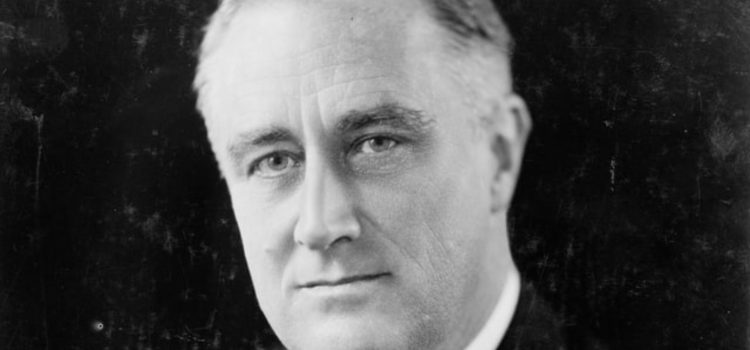
What is Franklin Delano Roosevelt (FDR) known for? What was FDR’s greatest accomplishment as a president? FDR, who was president from 1933 to 1945, was instrumental to American workers’ well-being; He was tasked with getting the nation through the Great Depression. Franklin D. Roosevelt successfully turned the nation’s economy around in spite of the major challenges. Historian Doris Kearns Goodwin attributes this accomplishment to his ability to empathize with others. Here’s how empathy helped Franklin Delano Roosevelt lead the nation through an economic catastrophe. 

When Did the Endurance Sink? Shackleton’s Story

When Did the Endurance Sink? Shackleton’s Story

When did the Endurance sink? How did Ernest Shackleton help his crew survive the shipwreck? In the book Endurance, journalist Alfred Lansing tells the story of Ernest Shackleton’s failed expedition to Antarctica. His ship, the Endurance, sank after getting trapped between ice floes five months into the expedition. Read below to learn when the Endurance sank and how Shackleton got his crew out of the mess.

Doris Kearns Goodwin on Teddy Roosevelt’s Presidency

Doris Kearns Goodwin on Teddy Roosevelt’s Presidency

What is Theodore Roosevelt known for? What was the key turning point in Roosevelt’s leadership? According to Doris Kearns Goodwin, Teddy Roosevelt’s greatest achievements as a president would not have happened if it wasn’t for his family tragedy. He was stricken with immense grief, which made him dive deeply into his work, setting a chain of events that were instrumental in Roosevelt developing qualities that were essential to how he handled the 1902 coal strike. Here’s how Roosevelt’s crisis taught him bias to action.